Great Barrier Reef Safety 2026 – The Lowdown on Stingers & Diving – What You Need to Know
Put it like this: there are stingers in the water, and of course, there are risks involved in diving – but honestly, with a bit of common sense and the right approach, both are pretty easy to handle. I’ve been running tours around the Great Barrier Reef for years, and one thing’s for sure: the people who always seem to have the best time are the ones who show up prepared, pay attention to what they’re being told, and don’t try to wing it.
The reef is a pretty laid-back place, but that’s if you do things the right way. Take any shortcuts, and you’ll likely end up with a nasty surprise. I’m not trying to freak you out, I’m just calling it as it is – we are in open ocean after all, with coral reefs & all sorts of marine life.
Where You're Actually Headed & How The Day Unfolds
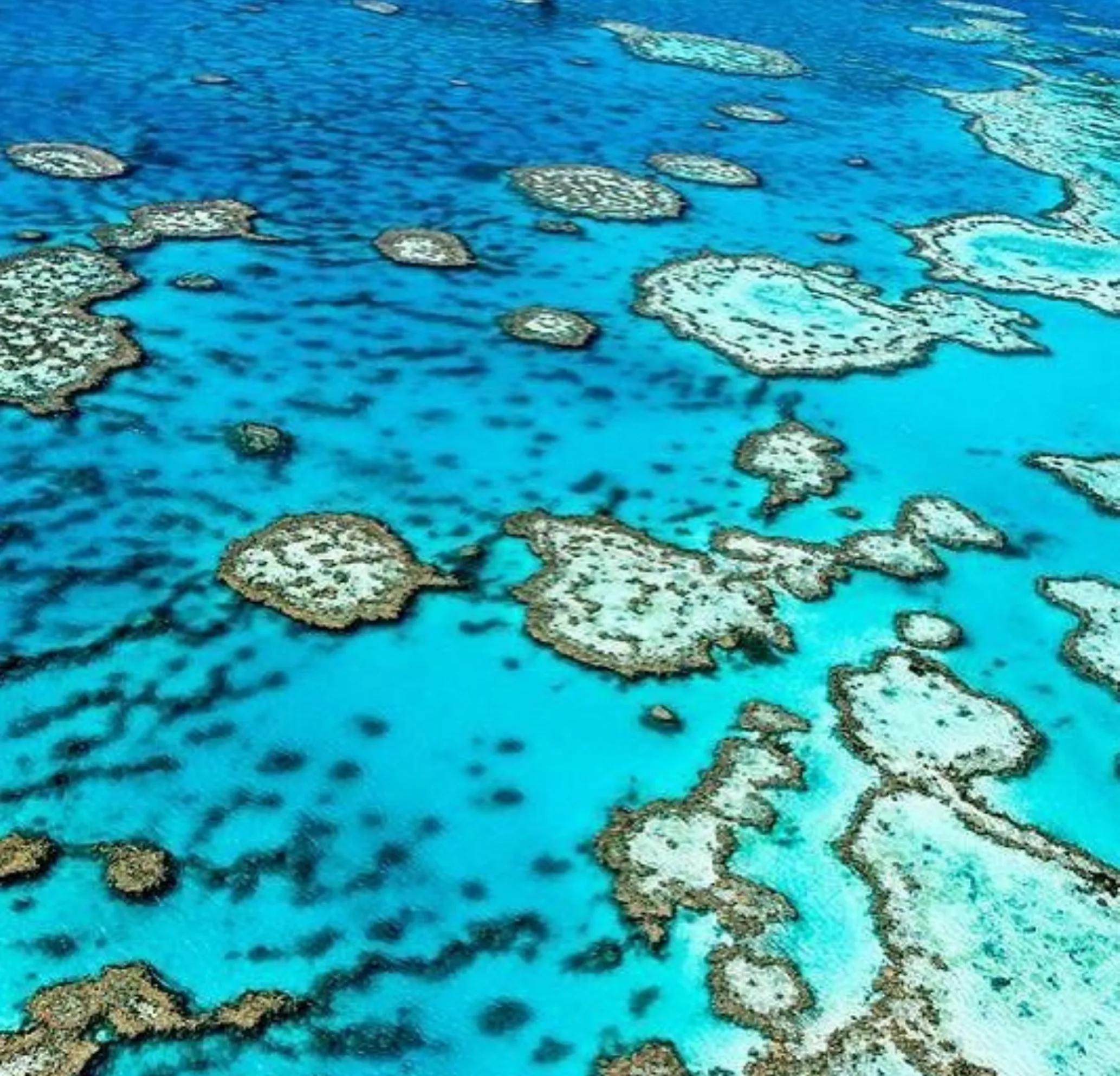
To be honest, most people have an idea that a reef trip is a bit of a loose affair, but the truth is – it’s actually pretty structured. If you’re booking a Barrier Reef tour, you’ll likely be leaving from either Cairns, Port Douglas or Airlie Beach, after which a reef tour operator will take charge of getting you to one of the outer reef pontoons, a coral garden, or a moored dive site.
One thing to keep in mind about a standard day is that there’s a lot more to it than just a quick swim. You’re talking 8-10 hours door-to-door when you factor in the transfer time, safety briefings, travel, water sessions & everything else.
The actual journey time is usually between 45 and 90 minutes from Cairns or Port Douglas, but if you’re heading from Airlie Beach in the Whitsundays, it can take almost 2 hours depending on conditions.
Of course, the bit that catches a lot of people out is the motion of the boat. Even on a day that looks calm from the forecast, the second you hit open water, it can turn pretty rough. I’ve seen plenty of people who were dead set on having a good time end up green around the gills with seasickness before they even get to the reef. Get yourself a $15 pack of seasickness tablets & save your whole day.
Parking at the marina usually costs anywhere from $10 to $25, but most reef tour operators will come pick you up from your hotel, so you don’t have to worry about that. If you are driving yourself, though, make sure you give yourself plenty of time – the reef boats aren’t going to hang around & if you miss one, that’s an expensive mistake.
Stingers: The Reality Check
Let’s cut straight to the chase about Box Jellyfish, Irukandji jellyfish and the lot of marine stingers. They’re real, they’re a serious concern, and that’s why we’ve got a marine stinger season. But the thing is, they’re just one of those things that gets totally overhyped when you’re visiting the reef.
Expectations versus the Real Deal
So, most tourists show up thinking that the water’s either just crawling with danger or completely harmless. And the truth? Well, it’s right in the middle somewhere.
Expectation: Jellyfish are just everywhere, and you’re bound to get stung
Reality: Risk goes up when marine stinger season hits (November to May), but we’ve got our act together to manage that
Expectation: The outer reef is just as dodgy as the beach
Reality: Places like Cannonvale Beach or Horseshoe Bay tend to have a higher risk of exposure
Expectation: You’ll be able to spot them easily
Reality: Some of them are tiny and basically invisible, like the Irukandji jellyfish
From what I’ve seen, the biggest mistake people make isn’t being scared – it’s getting too laid-back. I’ve seen tourists skip the stinger suit because the water looks fine, then come back up 10 minutes later with a mild sting. Not life-threatening, just plain silly.
The really bad reactions like Irukandji Syndrome are pretty rare, but we take them dead seriously cause in extreme cases the symptoms can escalate fast. So reef operators stick to proper safety standards and carry the right gear on board, including oxygen.
What Really Matters: The Right Gear
Now, gear isn’t about looking cool; it’s about cutting out the risks and just enjoying yourself in the water
A good stinger suit (usually Lycra ones) is your best bet. It keeps you safe from the jellyfish and also protects you from the sun, which, up north, is pretty brutal. Sun damage is actually a lot more common than stings, believe it or not.
And then there’s the snorkelling gear. People seem to think it’s low-key, but a good-fitting mask and snorkel can make all the difference. A leaking mask or snorkel that doesn’t fit right, and you’re going to be right in a world of trouble in no time. And don’t even get me started on reef shoes – they make all the difference for getting in and out of the water.
What Actually Causes Problems Out There
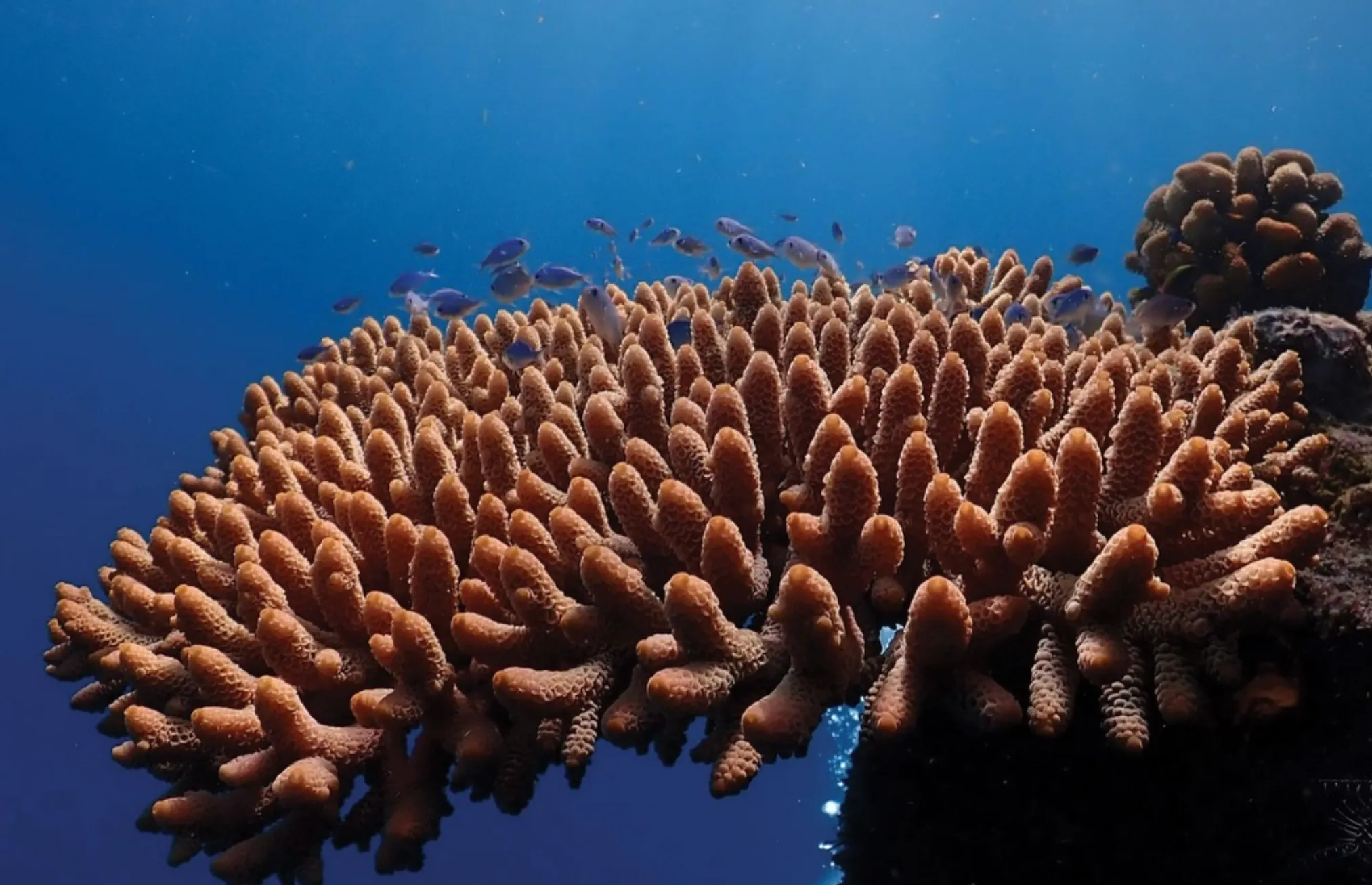
After years of running Great Barrier Reef Tour operations, the pattern is clear. The reef isn’t the problem — behaviour is.
| Risk Area | What Actually Causes Issues | Real Outcome |
|---|---|---|
| Marine Stingers | Skipping stinger suit | Avoidable stings |
| Sun Exposure | No reef-safe sunscreen | Severe sunburn |
| Currents | Ignoring Safety Zones | Fatigue, panic |
| Diving | Overconfidence | Serious incidents |
| Seasickness | No preparation | Ruined trip |
Most problems come down to people underestimating their limitations in the environment, or overestimating their own abilities. Follow the system, and the risks drop dramatically.
Snorkelling and Diving - Where We Often Slip Up
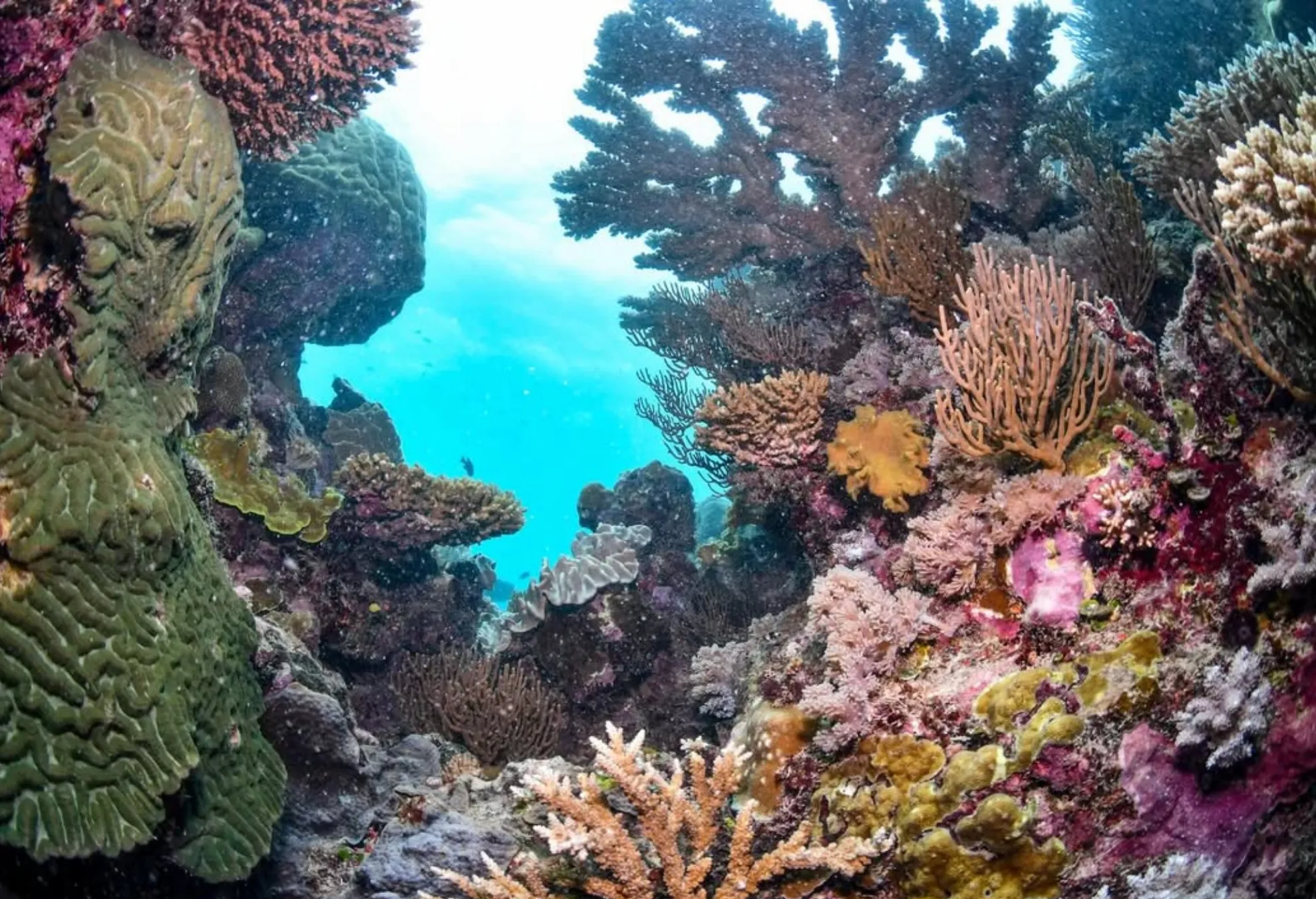
Snorkelling can look deceptively easy – and it is, as long as you respect the basics. People often find themselves drifting outside of designated areas, ignoring snorkel guides, or underestimating just how physically exhausting snorkelling in open water can be.
If you’re going to be doing a scuba dive, things get a lot more structured. Intro dives are tightly controlled with an instructor always keeping an eye on depth and time limits. Certified divers have a bit more freedom, but that’s where things start to go wrong for a lot of people – pushing their limits, skipping safety stops or misjudging how quickly they’re going to burn through their air.
Liveaboard vessels are a whole other ball game. They offer some incredible opportunities to see coral reefs and marine life, but you’re also going to need to be a lot more disciplined. You’re operating in remote areas, relying on the crew, and systems like channel 16, and having a backup plan for emergencies.
Short On Time? Keep It Simple
If you only have a day to spare, you don’t need to pack every last thing into it. Try to focus on one decent reef trip rather than hopping from place to place. There’s no need to try to cram in 3 or 4 different spots – just pick the one that looks most appealing and run with it.
The smartest thing to do is book yourself onto a proper guided tour with a solid operator heading out to one of the outer reef platforms. They’ll sort you out with a good safety briefing, some expert snorkelling guides, and if the weather turns out to be a bit dodgy, they’ve got the backup option of a glass-bottom boat to fall back on.
Trying to do it all on your own from the beach or chasing too many different spots in one day is just going to end up with you making a series of rushed decisions and missing out on some of the best bits.
Who This Kind of Trip Is Right For
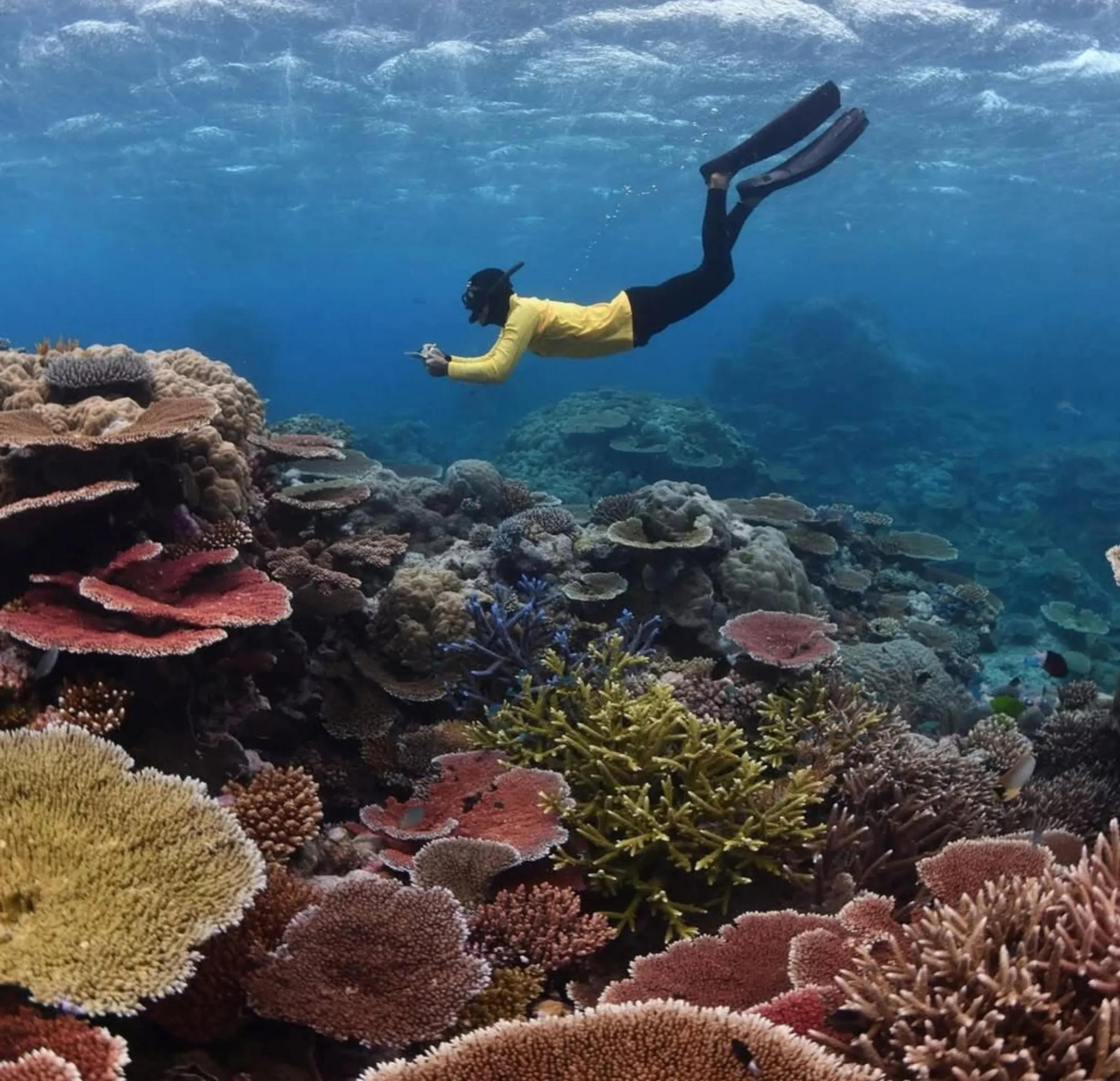
This kind of trip is really geared up for people who are happy to listen to some advice and don’t mind getting in the water. And works pretty well for families, beginners, and first-timers who aren’t too bothered about getting in a wetsuit and taking directions from the guides. Just as long as they’re okay with using some flotation gear and listening to what the snorkel guides have to say. It’s probably not the best bet for non-swimmers who need a few bits of extra help, or for people who think they’re invincible and ignore any medical conditions that might not be so great for them in the water.
If you’ve got any worries, just give the reef tour operators a shout. Most of them have all sorts of medical gear on hand, but prevention is always better than a cure.
Costs That Sneak Up On You
Reef trips aren’t exactly cheap, because they involve a fair bit of work and organisation on the part of the operator. You can expect to pay around AUD $180-$350 for a standard day trip, although some upmarket operators might charge closer to $400 for a premium experience. Then there are the liveaboards for multi-day trips, which can range from $600 to over $1,500, depending on just how much comfort you’re after.
Most of the time, they’ll chuck in the snorkelling gear, but extras like seasickness tablets, reef-safe sunscreen or upgraded snorkel gear can creep up on you. And don’t forget – your food will probably be provided, but it won’t be any fancy cuisine.
What The Brochures Don't Tell You
People tend to get it into their heads that they’ll be gliding through the water like it’s a breeze, with no effort at all and complete freedom to do whatever they like. But what actually happens is a much more structured safety-first environment with all sorts of changing conditions and physical demands.
Now, I know what you’re thinking – that sounds like a real downer, but trust me, it’s not. That’s actually why it works. Safety Zones, safety briefings and all the rest have been developed over decades of experience in maritime safety. So the next time you’re tempted to complain about being ‘held back’ by the structure, just remember it’s there to protect your experience.
Don't Be A Jerk And Enjoy The Reef
Where We Got Our Info & How We Stay On Top
This guide has been written from real-life experiences on the reef, and we’ve made sure it meets the basics – useful, safe and accurate – the usual stuff you want from a good travel guide.
The Short Version
- Snorkelling with stingers isn’t that big a deal if you’ve got the right gear and a bit of common sense
- Most problems come from not being prepared properly – not from the reef itself
- Barrier reef trips are safe if you’re with someone who knows what they’re doing
- Just use some common sense, and the reef will give you the time of your life
We’re keeping it real, no fluff – just the bits that actually matter when you’re heading out.