Short answer’s no, but they’re getting there & you’ll probably spot them chugging along key lines by now.
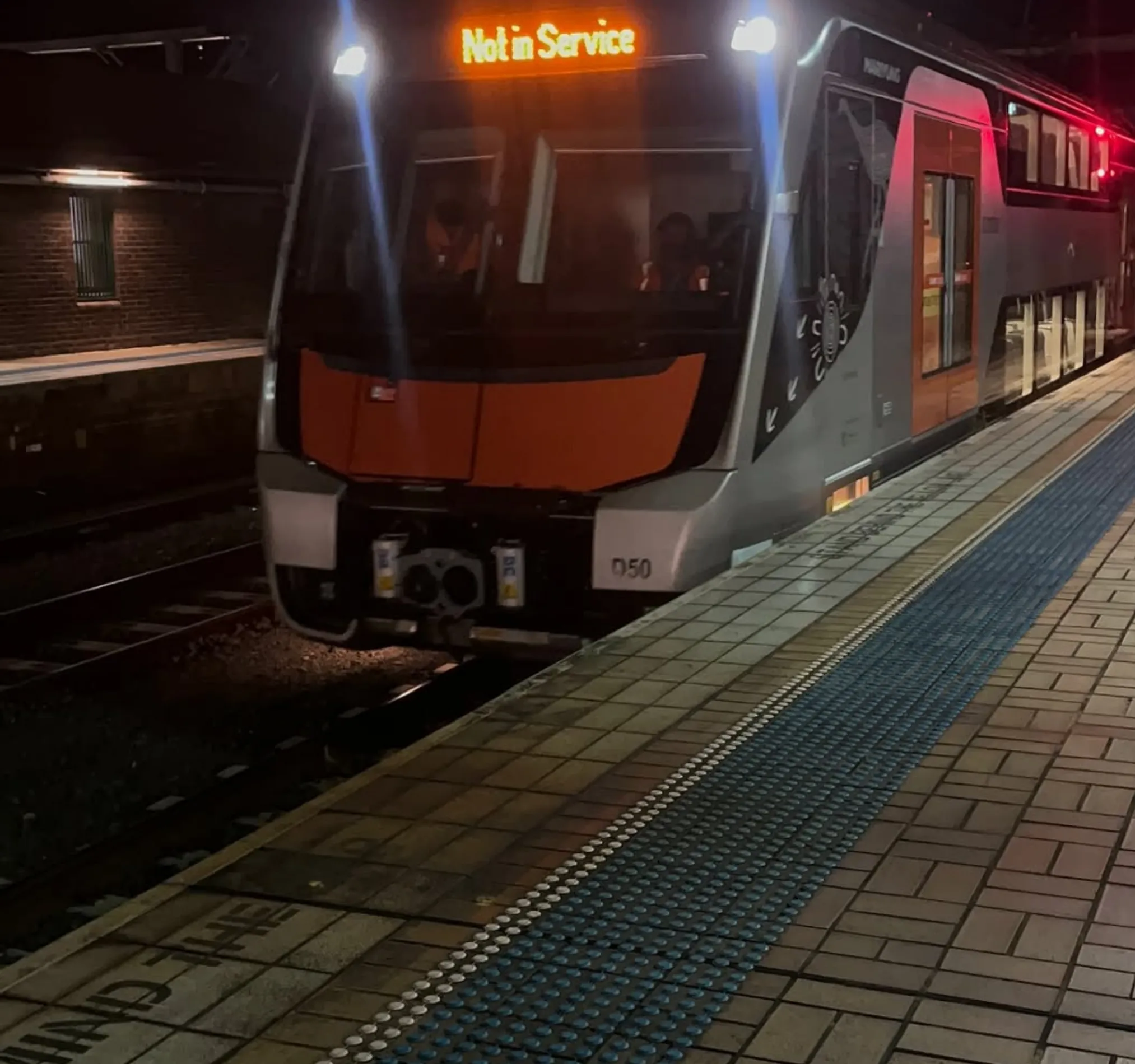
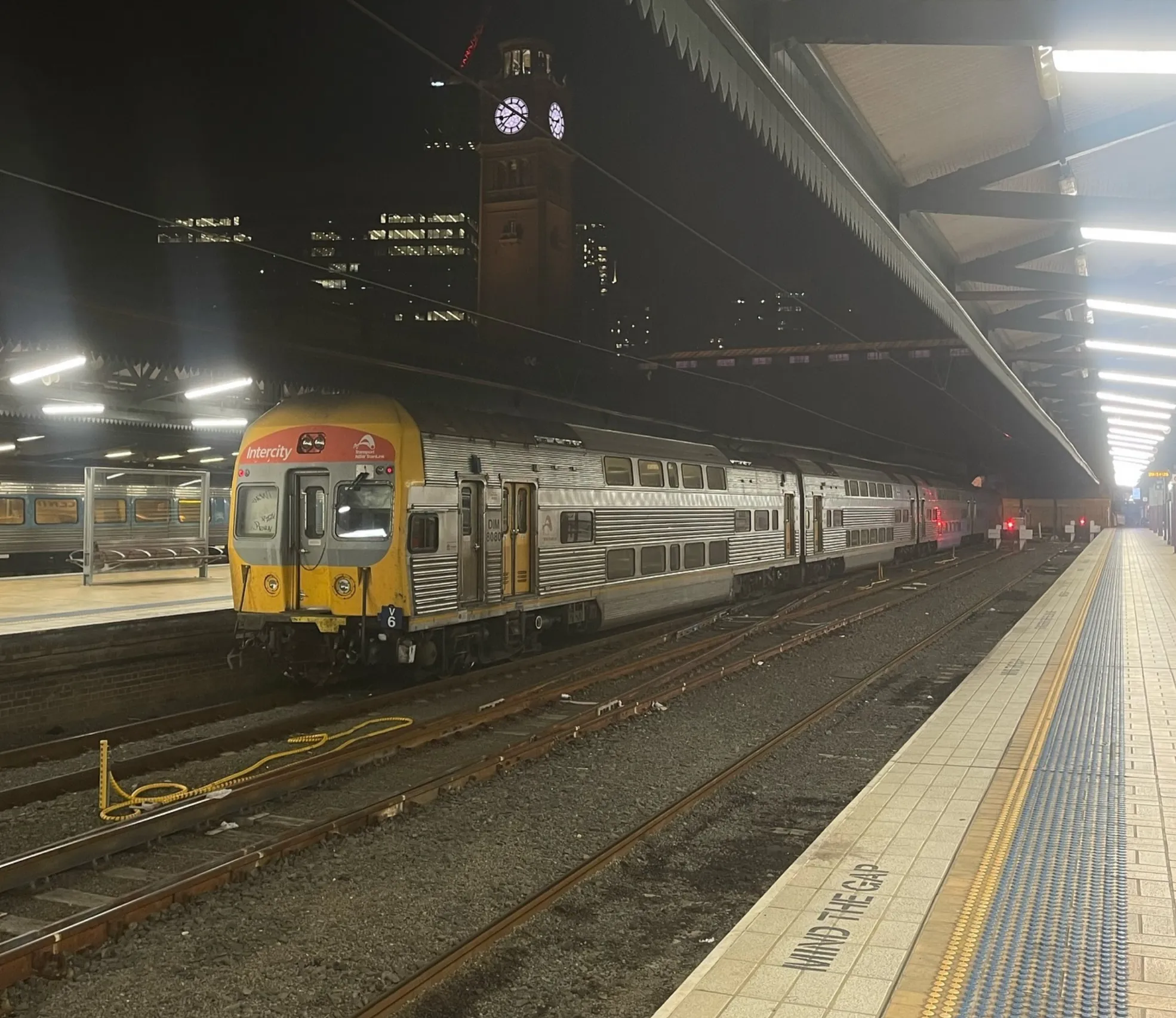
I’ve actually had the chance to ride on some of these new Mariyung trains myself, and give you an honest account – they’re steadily rolling out on the electric intercity network, replacing the old V-set trains one by one. But delays, staged rollouts, and NSW transport politics have all slowed down the whole process.
You’re likely to see them in action, so long as you don’t set your expectations on finding one on every single service. If you’re planning a Blue Mountains day trip, it’s worth knowing this before you even set out.
What’s Actually New On Board And Why You’ll Notice It
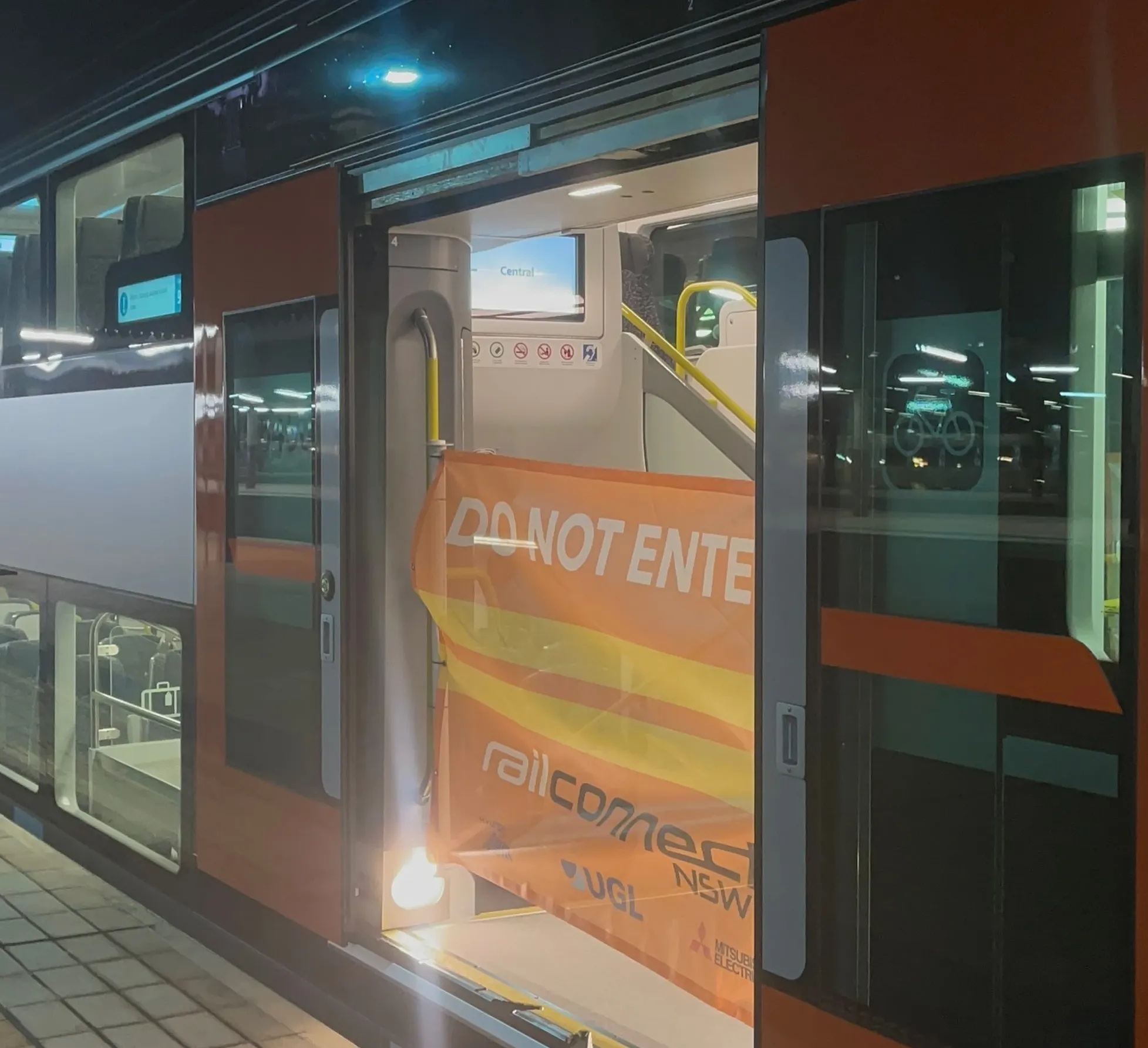
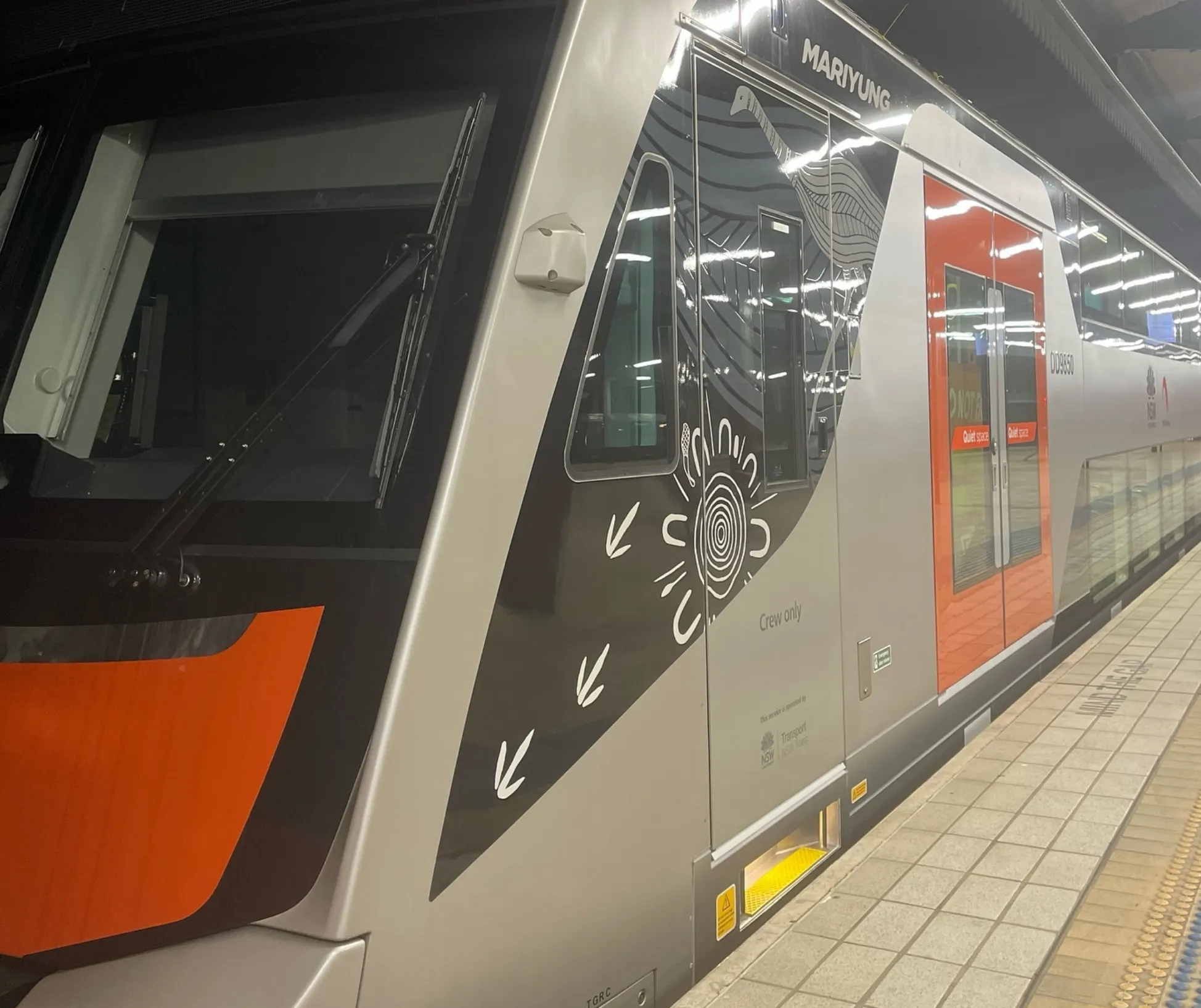
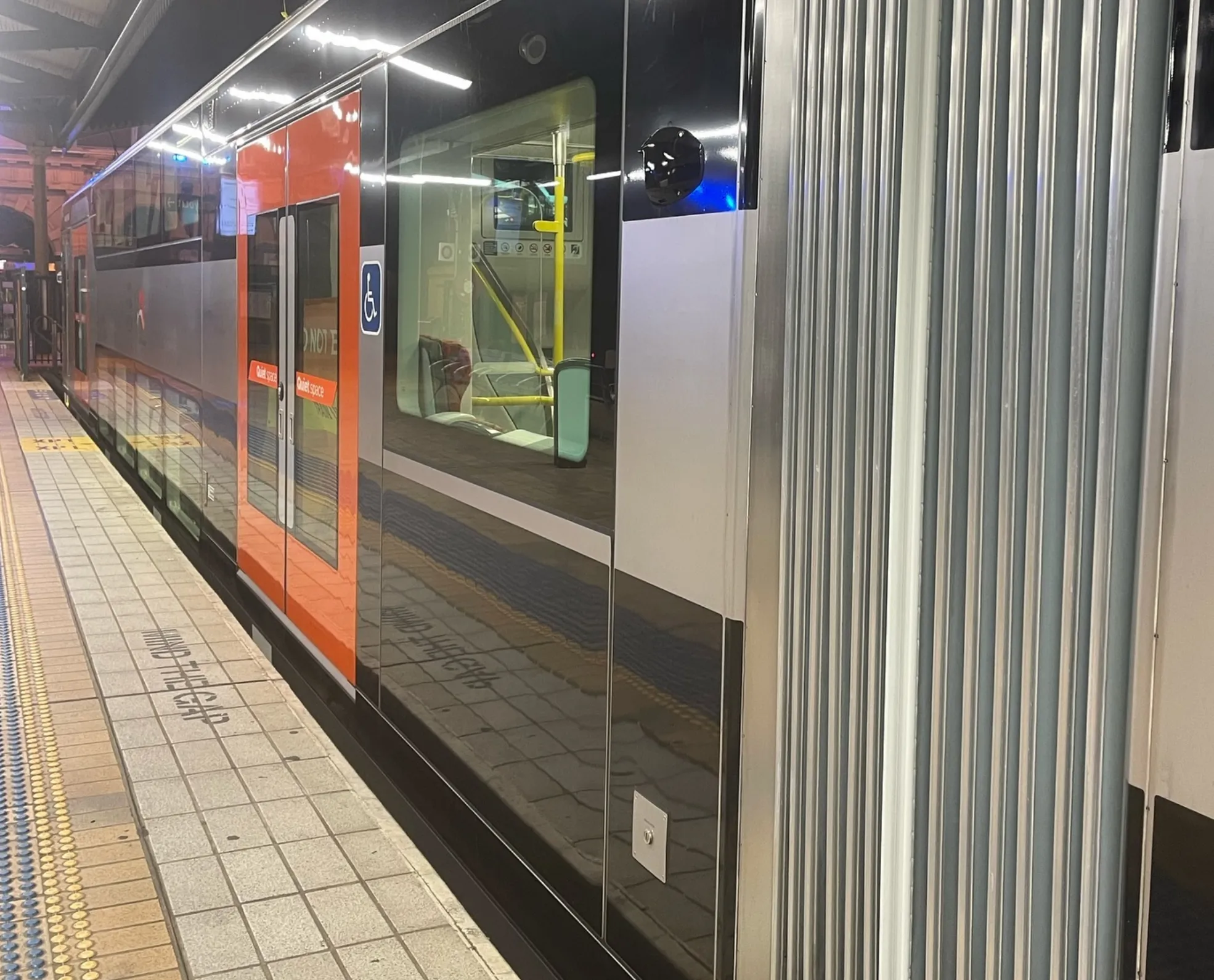
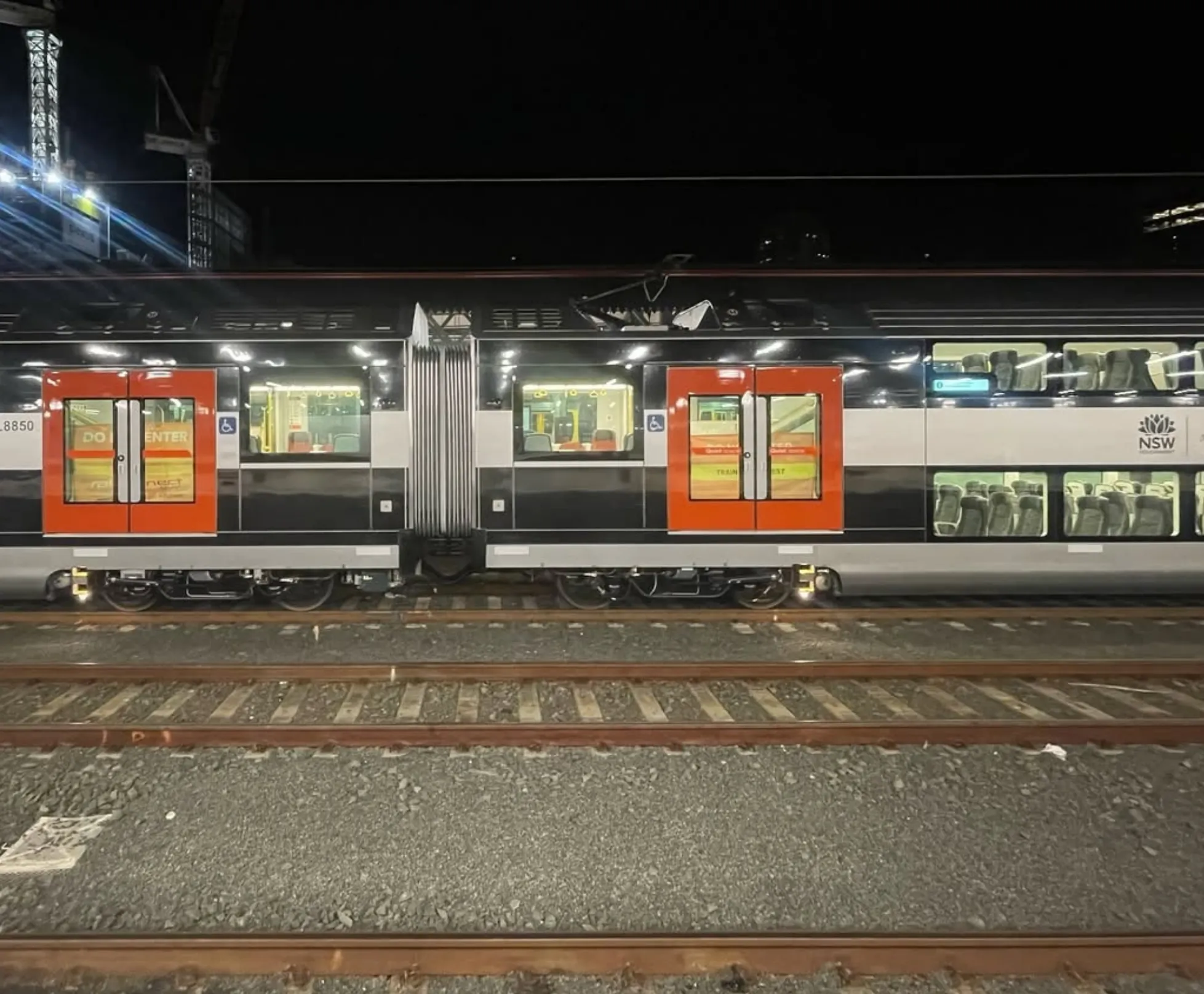
The Mariyung fleet – or as it’s officially known, the D set – is NSW’s big push to modernise long-distance rail travel. Built by Hyundai Rotem, these intercity trains are all about giving commuters a decent ride for a change.
First time I rode on one, I noticed it right away – quieter, smoother, & not rattling like crazy on the tracks.
Key Comfort And Design Upgrades
You don’t need a long list of every single thing, just the bits you’ll actually care about:
- Better backrests with proper seat comfort – no more crumpled up seats
- Power sockets right by your seat – finally, you can charge your phone
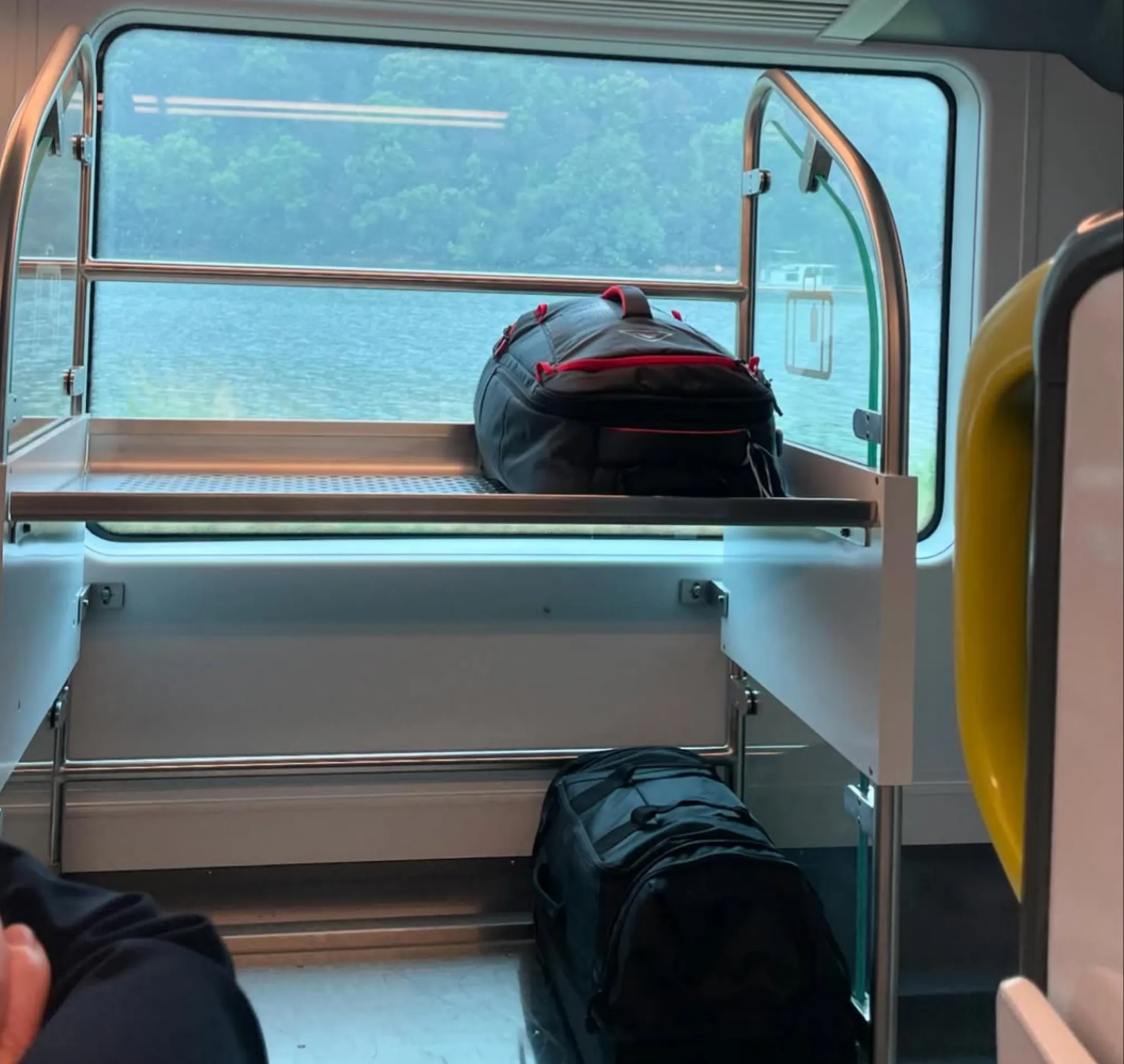
- Tray tables that fold down so you can get some work done or grab a snack
- Accessible loos and roomier doors
- Easy to read digital information screens and emergency help points – and they actually make sense
On a two-hour run up to the Blue Mountains, these little updates make a big difference & turn an okay commute into a lot more comfortable one.
Why The Rollout Has Been Slower Than Expected
Now for the part that always ends in confusion for most riders.
You’d think rolling out new trains would be a piece of cake, but big rail upgrades are a whole different story – they involve safety checks, workforce changes & making sure the tracks can handle them.
The rollout of intercity Mariyung trains has been slowed down by:
- Safety checks with the Office of the National Rail Safety Regulator
- Ongoing wrangles with train crews and train guards about the way they do their job
- Having to tweak passenger door controls & a few other safety features to get everything working smoothly
- A spot of industrial politics – with the Fair Work Commission to boot
- Getting them to play nice with the signalling equipment and existing track systems
In short, the trains are ready to roll, but the system needs a bit more time to catch up.
Routes Where You’re Most Likely To Encounter One
If you happen to be trekking through the Blue Mountains, you’ve got a decent chance of ending up on one of these shiny new trains.
They’re currently running on a few routes, including:
- The Blue Mountains Line – which takes you all the way from Sydney to Lithgow Station
- Central Coast and Newcastle services that stop at Newcastle Interchange
- Some of the intercity trains, depending on which day you’re travelling
I’ve been on one of the new ones heading west, and to me it made a big difference – way less noise, less vibration and heaps more room to breathe in the carriages.
Still, though, don’t count on it – you never know when one will turn up.
What Your Journey Will Really Look Like Day To Day
Expectation vs Reality
| Factor | Expectation | Reality |
|---|---|---|
| Train Type | Always a new fleet | Mixed fleet (Mariyung + V-set trains) |
| Comfort | Guaranteed upgrade | Depends on the service |
| Travel Time | Faster | Roughly the same (~2 hrs) |
| Passenger Amenities | Modern across all trains | Varies by carriage |
| Reliability | Fully upgraded network | Gradual improvements |
My Experience
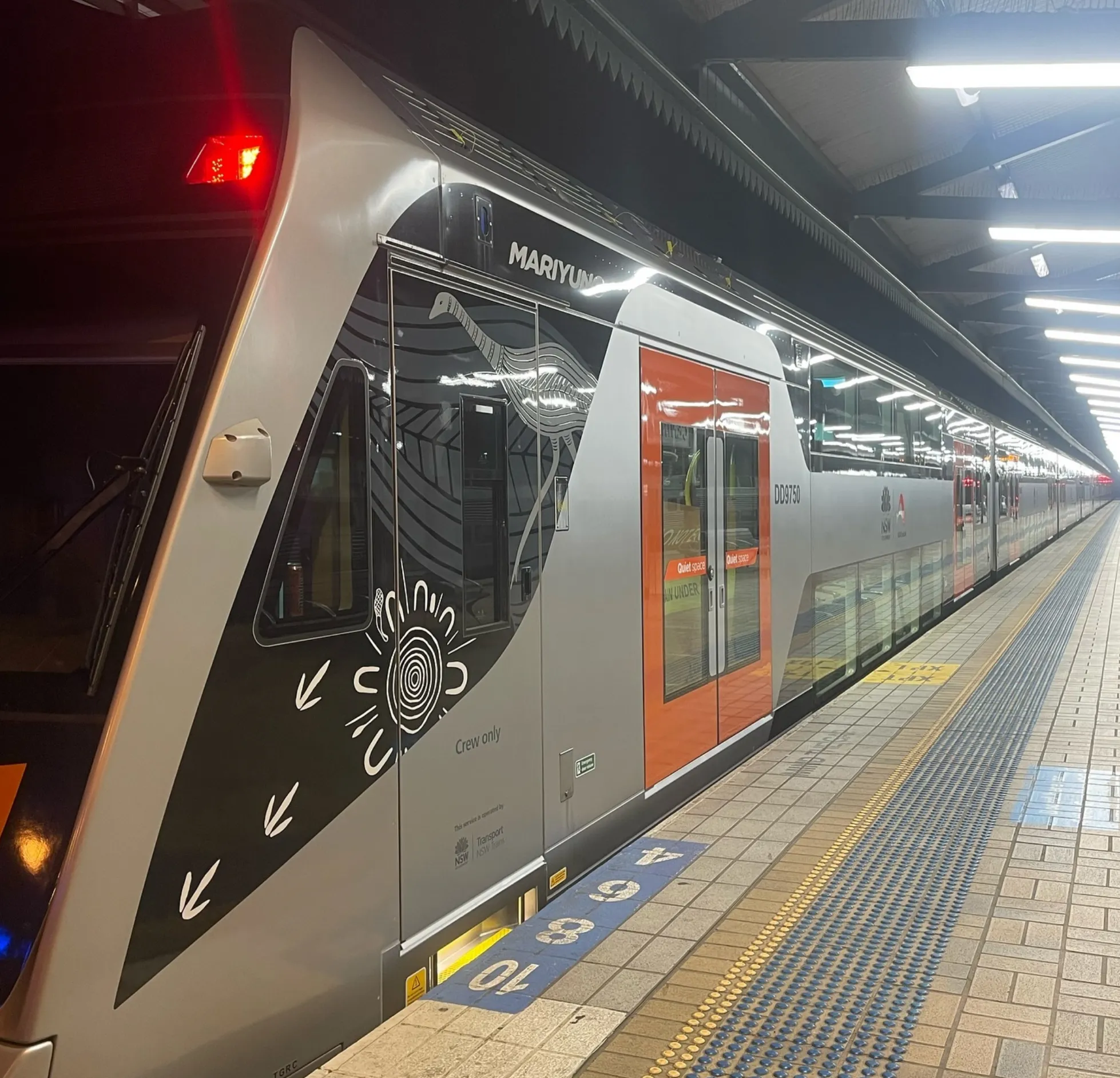
I once turned up at Sydney Terminal expecting one of the fancy new intercity trains, only to end up on an older set instead – not the end of the world as it happens. Still, if you are counting on things like tray tables and power outlets to pass the time, you might be out of luck.
On the flip side, when you do manage to get on a Mariyung service, the difference in seat comfort and the overall onboard experience is pretty bloody obvious.
Logistics That Catch Travellers Out
Let’s get down to the nitty-gritty – this is the sort of thing you’ll want to know if you are going to have a decent trip.
Timing And Frequency
- Trains run roughly every hour on the Blue Mountains Line
- Peak times are always a nightmare – especially at Hornsby Station and along the western corridors
- Mariyung trains aren’t tied down to any particular time slots – they come and go as they please
Costs (AUD – Approximate)
Sydney to Katoomba using an Opal fare:
- Off-peak: Roughly $6-$9 AUD
- Peak: Roughly $12-$15 AUD
Prices vary depending on the time of day and the fare caps – you should check in with Transport for NSW before you set off.
Access Points
- Main departure point: Sydney Terminal
- Key stops: Parramatta, Penrith, Springwood, Katoomba and Lithgow Station
- Parking tip: If you are driving to outlying stations, get there early – the parking spots fill up fast, especially at weekends
Safety, Comfort, And Seasonal Reality
Who These Trains Are Actually Best For
Not everyone will notice the difference, but some people will.
If you are heading up for a day trip, travelling with family or just prefer a more comfortable ride, then the new trains make a genuine difference – the improved seating, quieter cabins and better facilities all add up.
If you are expecting a luxury rail experience or that the travel will be significantly faster, then you will be disappointed – this is still just public transport, just a better version of it.
Quick Checklist Before You Travel
If you are planning a trip and hoping to catch one of these trains – as part of a Blue Mountains day tour or just a solo trip – here’s what I would do:
- Check the routes via the Transport for NSW Trip Planner
- Travel off-peak for a quieter ride
- Think of a Mariyung train as a bonus – not a guarantee
- Bring some snacks and water
- Pack for all eventualities – the weather can change in a heartbeat
Why This Matters For Travellers
It’s not just about the fancy trains themselves – it’s also about how transport in New South Wales is going to continue to evolve.
Better trains mean you’ll get:
- More reliable access to the really scenic stations on the Blue Mountains line route
- Improved accessibility right across the electric intercity network
- Higher standards for long-term travel on NSW TrainLink services
At the moment, the Mariyung fleet is already moving in the right direction – but it still has a few kinks to iron out.
Final Take: Should You Care About The Mariyung Fleet?
The honest low-down.
The Mariyung fleet is starting to make a big difference to intercity travel in New South Wales – its trains are running more smoothly, more quietly and a lot more comfortably. But it’s still in the middle of rolling out, so don’t make any plans that depend on catching one on the day.
If you are lucky enough to catch one, try out the seat comfort, plug in your phone and get comfy.
If you don’t get one, you’ll still make it to the Blue Mountains just fine – especially if you’ve planned your trip pretty carefully and operators like Blue Mountains Tour are taking care of the big picture.