The best reef pontoons for families: a 2026 guide comes down to one pretty basic reality – if you’re bringing the kids along, a decent pontoon on the Great Barrier Reef is usually going to beat a standard reef tour. You get stability – no worries about seasickness. Shade to escape the sun. And enough flexibility to keep everyone from getting bored, even when the little ones go from zero to “I’ve had enough” in five seconds flat.
I’ve been running Cairns reef tours for years and working alongside operators like Reef Magic Cruises and Sunlover Reef Cruises, and here’s the honest truth – not all pontoons are created equal. Some are absolute winners for families. Others are better suited to people who know their stuff in the water – scuba divers out chasing certain reef sites, for example. The key is finding a setup that matches your crew – rather than just going for the lowest price or the flashiest ad.
Floating Platforms Make Family Days Easier
A reef pontoon is basically a fixed activity platform just floating above coral reefs like Moore Reef or further out on the Outer Reef. No more whizzing around on a boat all day – with a stable base, you can just relax, grab a snack, rest your feet & then get back into the water.
That stability is a game-changer for kids. No constant up-and-down motion, no stressing about snatching what little snorkel time you get, & no guilt-tripping anyone into making the most of a short window.
But what a lot of people don’t think about – because they’re too busy looking at the brochures – is that the pontoon itself is only half the story. The journey out to the Coral Sea can make or break the whole day. Calm conditions? Easy as. Wind picks up & suddenly you’ve got a different story – especially for little ones.
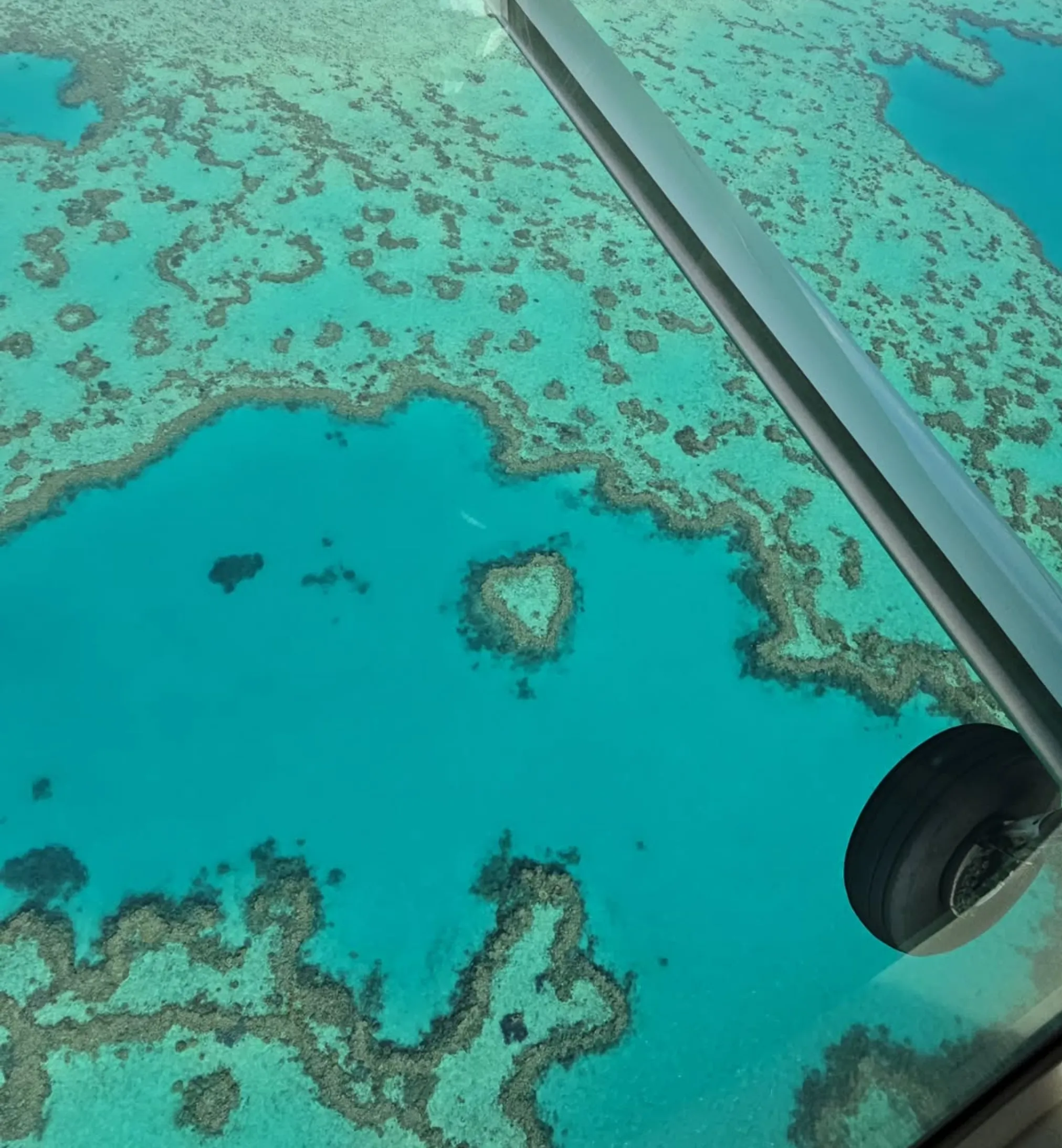
Family Reef Pontoon Comparison
Time to get real – let’s break down the main options based on how they actually run day-to-day.
Reef Pontoon Comparison Table (2026)
| Operator | Location | Travel Time (Realisti) | Difficulty | Best For | Highlights | Rough Cost (Adult) |
|---|---|---|---|---|---|---|
| Reef Magic Cruises | Moore Reef Pontoon | 90 mins out / up to 2 hrs return if windy | Easy | Young families | Lagoon, Glass Bottom Boat, helmet diving circuits | ~$279 AUD |
| Sunlover Reef Cruises | Moore Reef | 90 mins each way | Easy | Mixed-age families | Waterslide, semi-submersible vessel, Buffet lunch | ~$265 AUD |
| Quicksilver | Agincourt Reef (Outer Reef) | 75 mins from Port Douglas | Moderate | Confident swimmers | Underwater observatory, dive upgrade, clear Coral Reefs | ~$305 AUD |
| Great Adventures | Hardy Reef (Whitsundays) | ~2 hrs each way | Easy–Moderate | Families near Airlie Beach | Large activity platform, reef research displays | ~$289 AUD |
Prices are accurate for 2026 at the time of writing, but as anyone who’s tried to plan a family holiday will tell you, things have a nasty habit of shifting with demand – especially when the kids are out of school for that week.
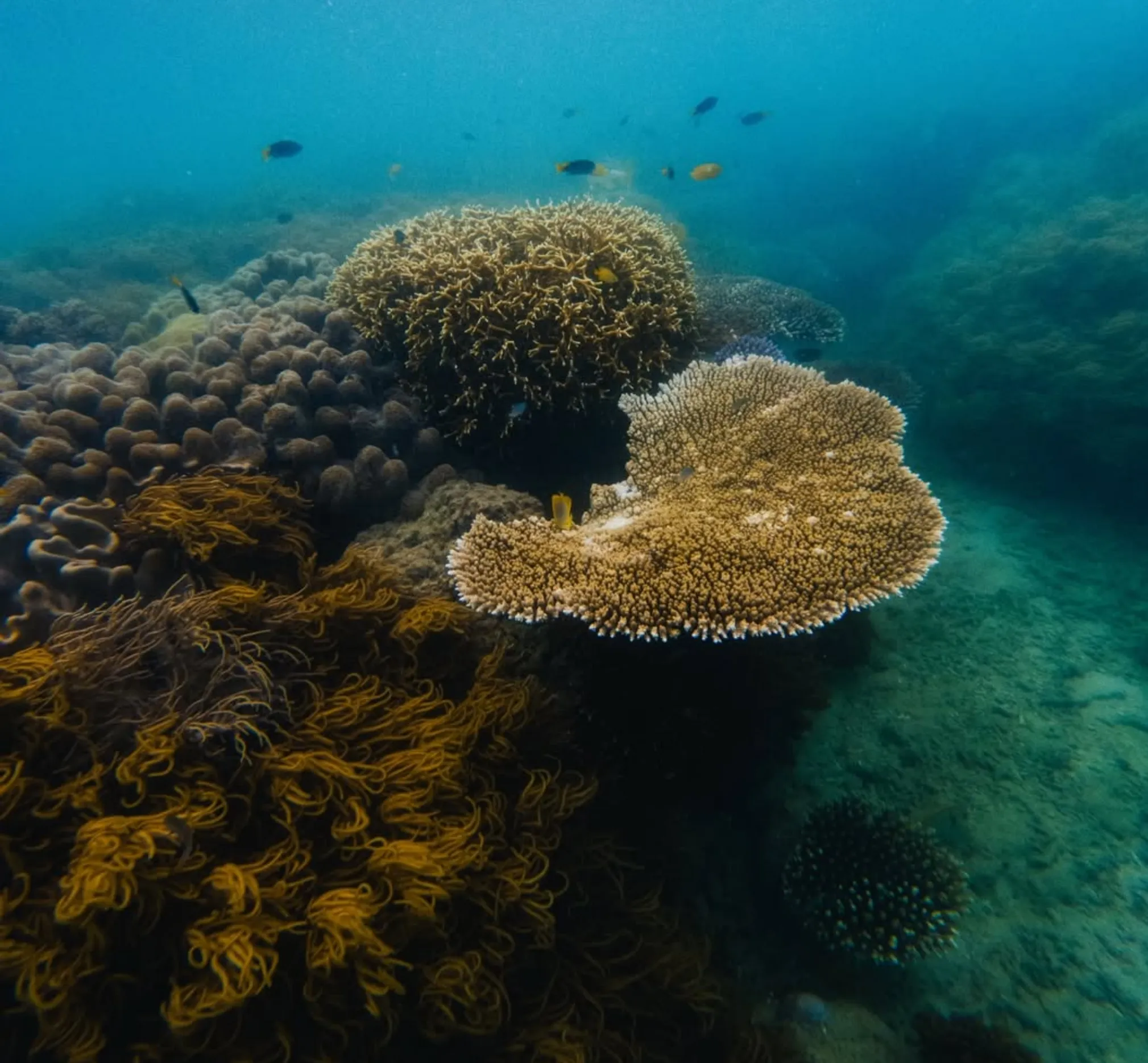
Match Snorkelling To Your Family
At the end of the day, this is what really matters.
If you’ve got young kids or some nervous first-time snorkellers, Moore Reef is probably your best bet. I’ve stood on the deck of the boat, watching kids cling to the safety bars at first, before realising their fears are completely unfounded, and before you know it, they’re chasing after reef fish like pros. Reef Magic Cruises and Sunlover Reef Cruises do this so much better than most, with carefully controlled snorkelling zones, and plenty of backup options – a glass-bottom boat or semi-submersible boat for anyone who’s feeling a bit wobbly.
For older kids or teenagers who are confident swimmers, heading out to Agincourt Reef from Port Douglas is a whole different ballgame. The water’s a lot clearer, the coral is way more vibrant, and you might even be lucky enough to spot some sea turtles or the odd reef shark cruisin’ by.
But be warned – it’s a different story altogether if someone in your group isn’t comfortable in deeper water – they’ll know about it before you know it.
What You Can Expect To See On A Typical Day
You’ll be up early – usually get on the boat around 8.00-8.30 am, depending on whether you’re leaving from Cairns or Port Douglas. The boats can vary a fair bit – from big catamarans to smaller monohull vessels, depending on the operator.
And then there’s the trip out to the reef – where it’s always good to adjust your expectations. On a calm day, it’s all smooth sailing, and the views across the Great Barrier Reef are pretty decent. On a windy day, it’s a different story altogether – some days it’s been so rough that half the boat’s been struggling on the way back when the wind picks up in the afternoon.
Once you finally get to the pontoon, things tend to calm down a bit. You’ll get the safety briefing, pop on your snorkelling gear, and then you’re pretty much free to do as you please. Some families dive straight in with a snorkelling tour, while others ease in with a glass-bottom boat tour or a ride on the submersible vessel.
Lunch is usually a buffet – simple, filling, and exactly what you need after a morning in the sun. Kids tend to go straight for the chips and sandwiches – hardly any surprises there.
You can also expect to hear about optional extras – scuba diving, helmet diving or scenic helicopter flights – the helicopter flight’s one of those things that feels like a pricey extravagance at the time, but people always talk about it afterwards as a real highlight.
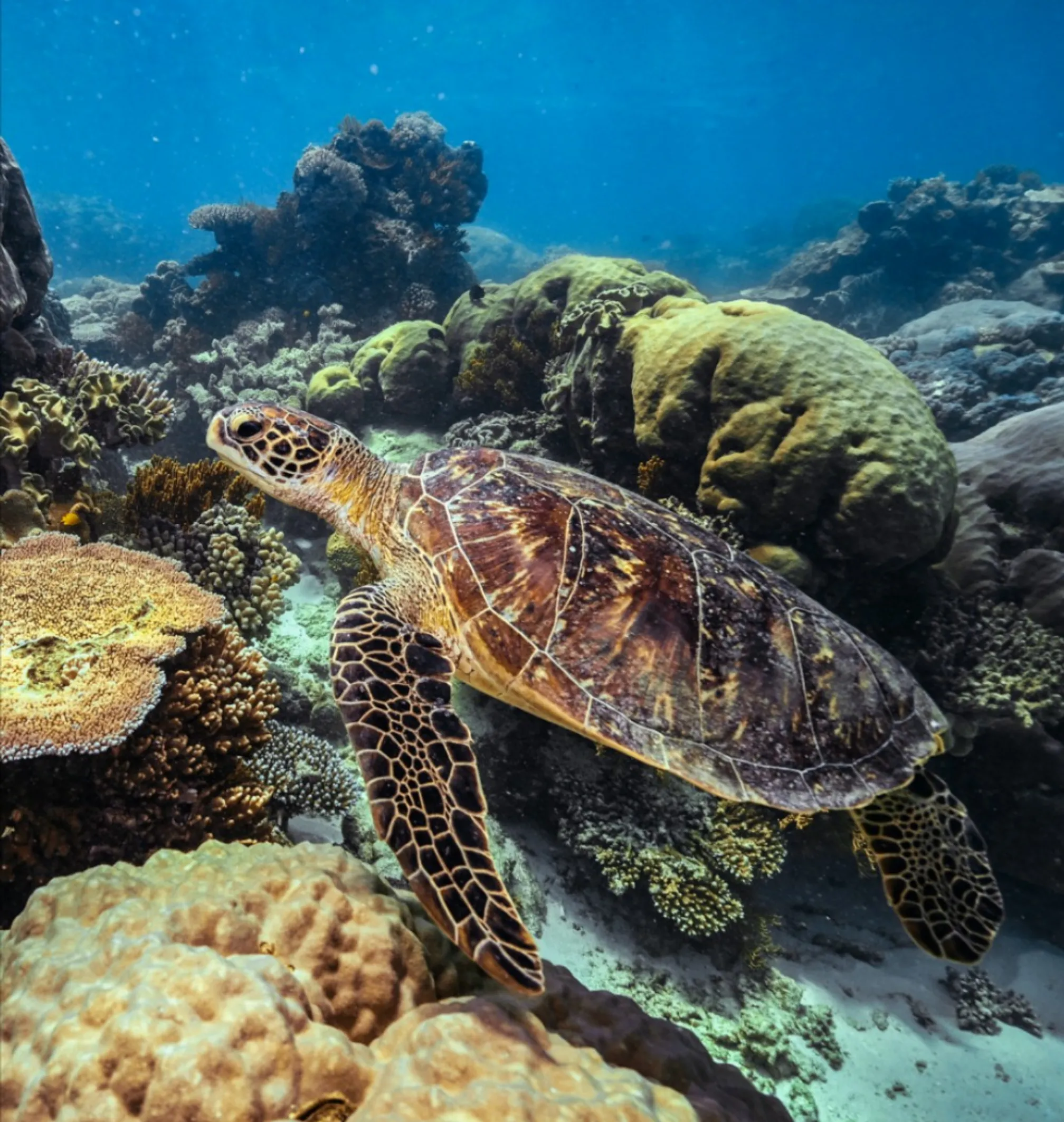
Logistics - The Things That Make Your Day
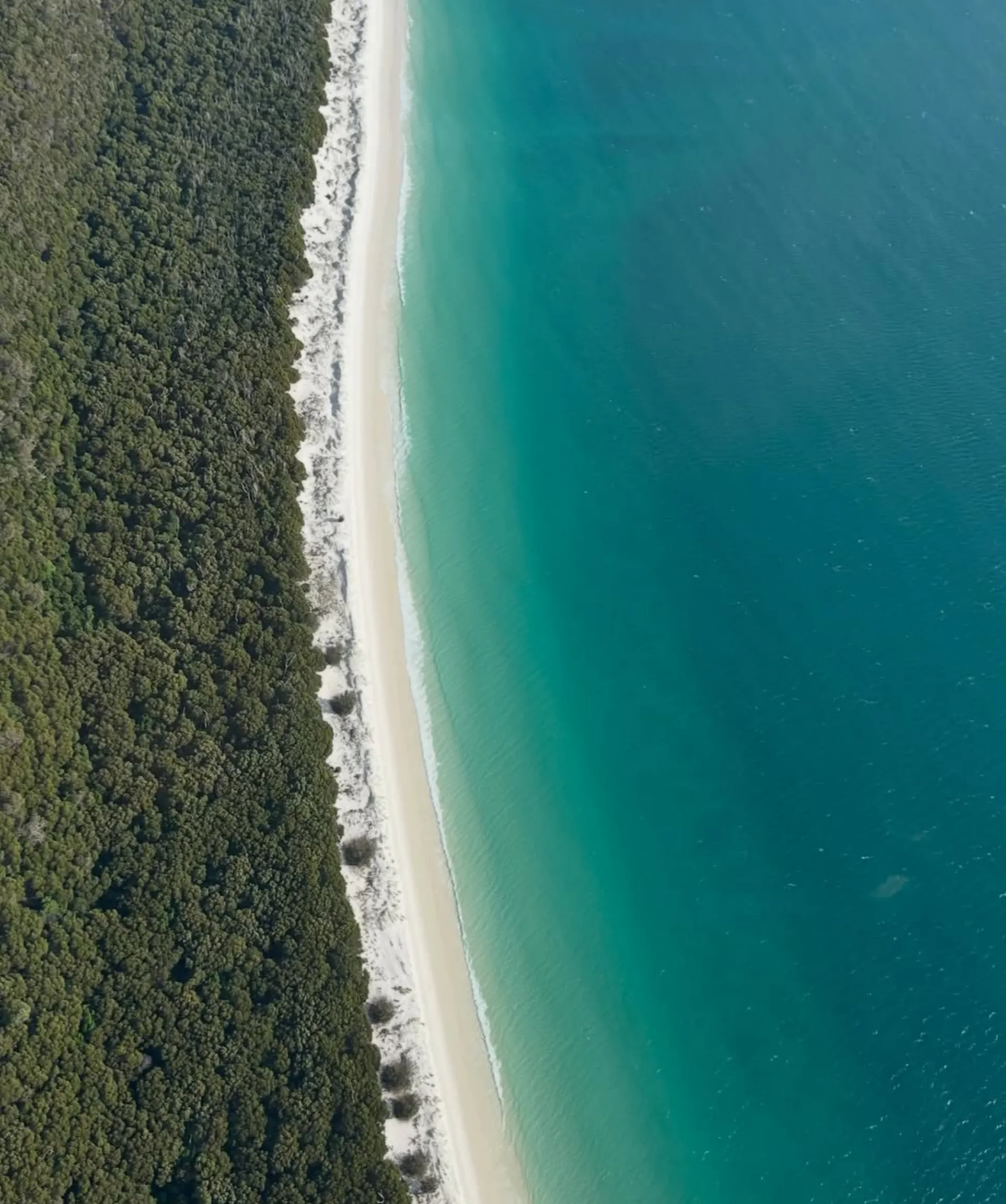
Risks And Safety - The Unvarnished Truth
Seasonal Impact: What Changes When
Expectation vs Reality: What Changes
Expectation: calm water, the kids snorkelling all day, perfect conditions.
Reality: the kids get tired, someone gets sick, and to make matters worse, the weather doesn’t exactly cooperate.
But here’s the good part – I’ve seen families completely forget about their phones and screens once they’re floating over coral reefs watching the fish darting around them. And that, believe me, is the real magic.
Quick Practical Tips That Actually Work
- If you want to avoid seasickness, take the tablets before you board – not just when you start to feel sick
- For the kids, start them off with a glass-bottomed boat tour before moving to snorkelling – it makes sense
- Put on sunscreen more often than you think it needs it – it’s gone in no time
- Don’t over-schedule your day after snorkelling – you’ll be knackered
That on its own will make a massive difference to your experience – and trust me, the upgrade packages just aren’t worth it.
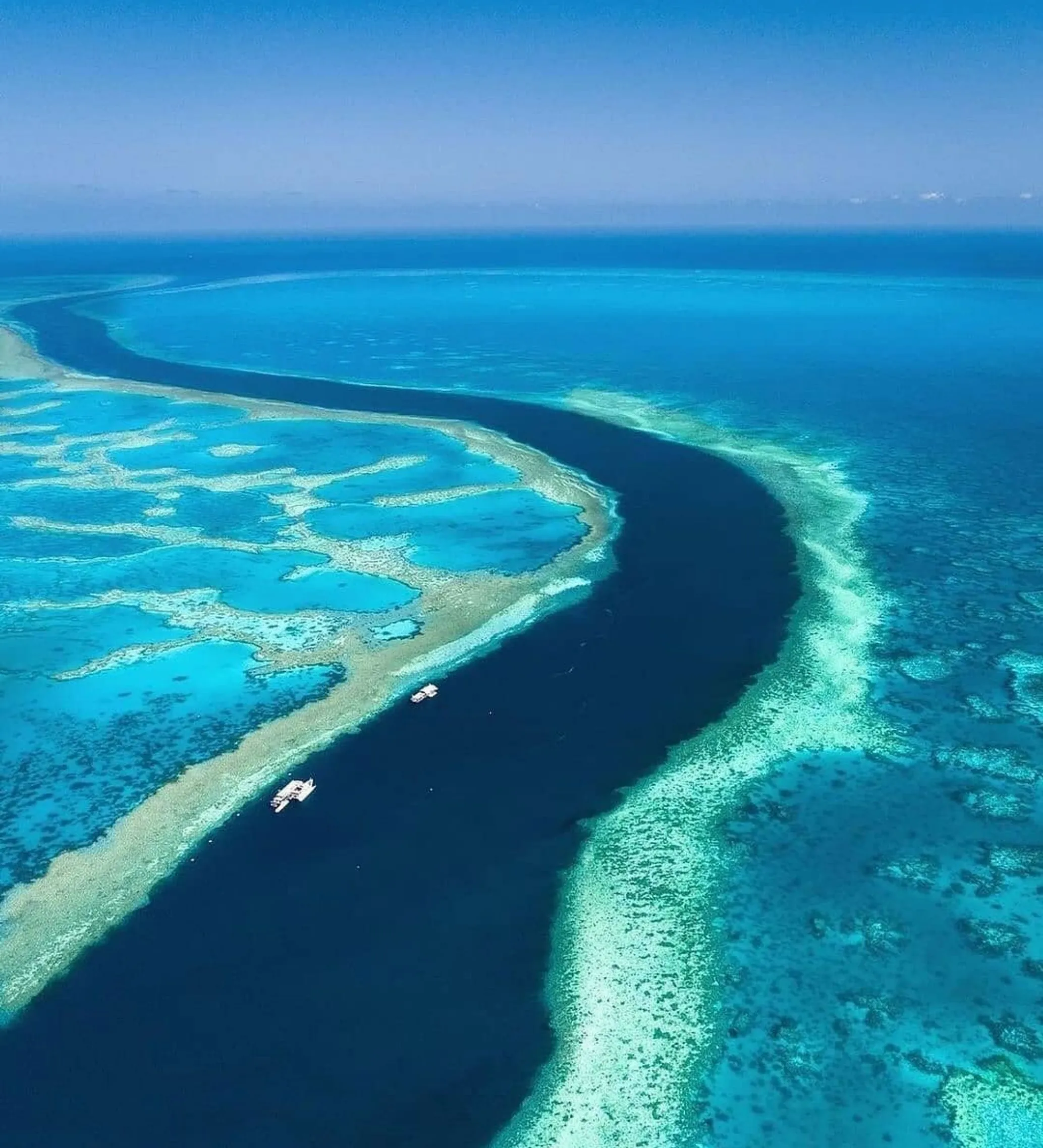
Who This Reef Tour Suits
This sort of Great Barrier Reef Tour is perfect for families with kids who want to see the reef without worrying about their kids getting exhausted or struggling with swimming. They prefer a structured day that’s safe and easy-going. First-time visitors will also love this – you get to try a few different things without committing to a full day of snorkelling or diving.
It’s probably not the best choice for travellers who get motion sickness – you’re still on a boat all day! And if you’re after the really remote parts of the reef, like the Ribbon Reefs or Osprey Reef, you’re better off looking at liveaboard boats or operators like Divers Den.
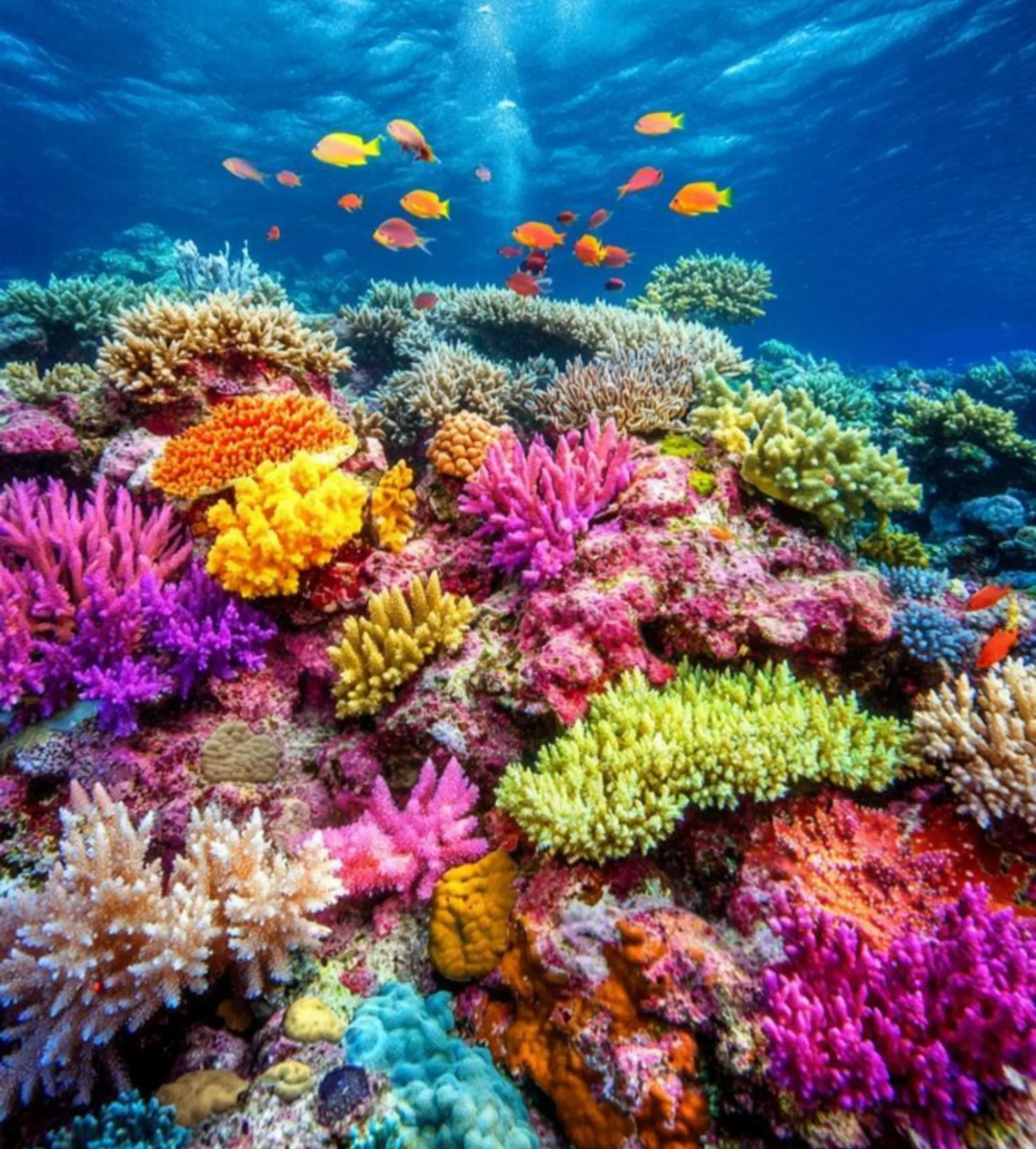
Family of Four Costs 2026
If you’re planning on doing a reef pontoon day trip in 2026, you’re looking at around $260 to $320 AUD per adult. And if you throw in extras like scuba diving, scenic flights, or buying a bunch of stuff on the boat, you can easily be looking at spending between $1,200 and $1,800 AUD for the day. It’s not exactly cheap – but for a lot of families, it’s the standout experience of their whole trip to the Barrier Reef in Australia.
The Verdict: What You Should Actually Book
If you’ve got young kids or just want a hassle-free day out, Reef Magic Cruises is probably your best bet. Sunlover Reef Cruises offers a good all-round experience with loads of variety. Quicksilver out of Port Douglas is another great option if you can swim a bit – they seem to have better-looking reef and clearer water. But to be honest, there’s no real winner here – it all just depends on what your family needs.
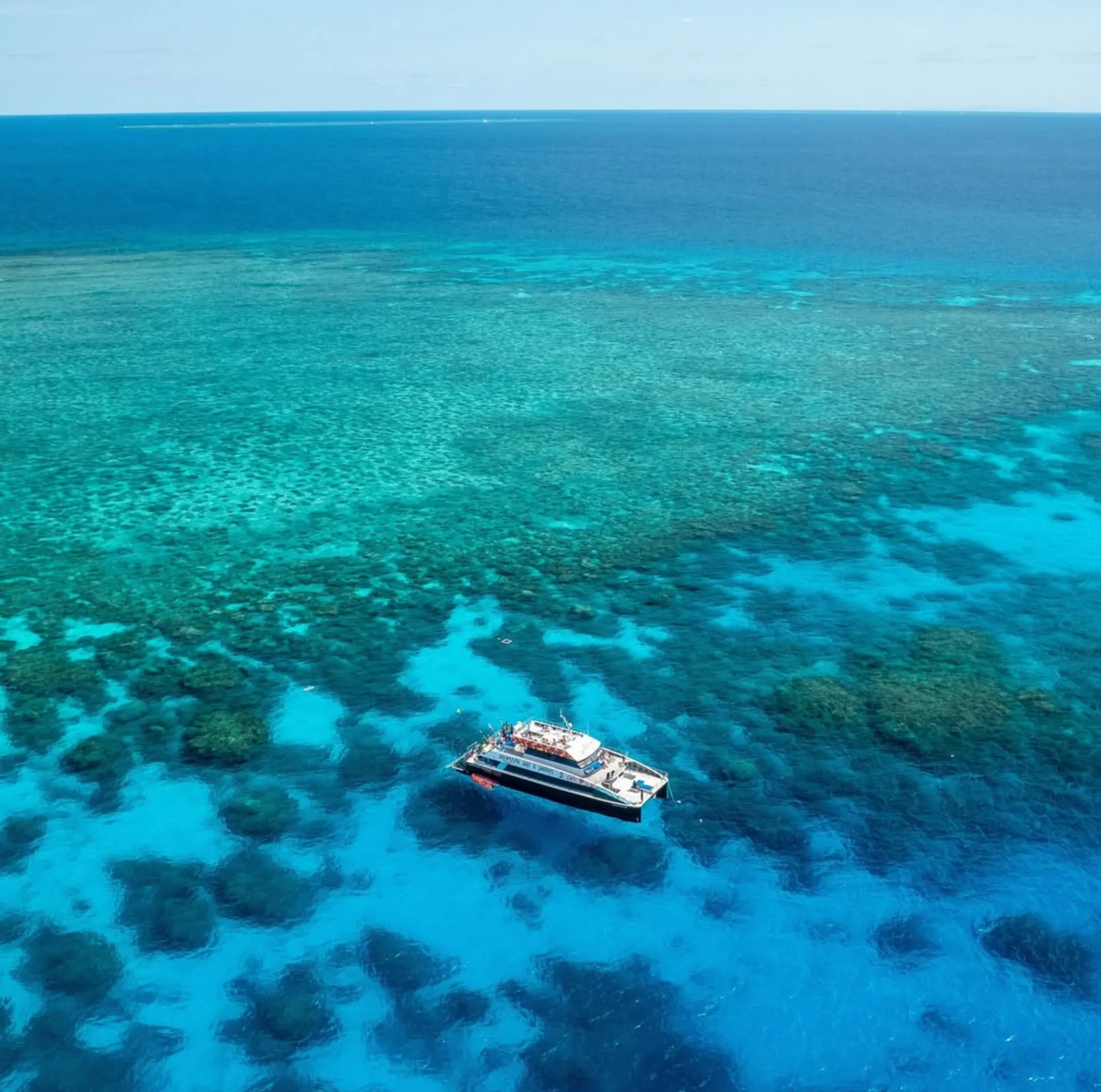
What I Think About Reef Pontoons
I’ve seen families step off these boats looking like they’ve just been on the best day of their lives. Salt-drenched, sunburnt, grinning from ear to ear – that’s what a really well planned Great Barrier Reef day should feel like.
If you’re looking for some help choosing the right experience, my crew at Get Lost Travel works pretty closely with loads of the operators in the area. We keep an eye on what’s actually working well and not just what looks good online.
Got a Reef pontoon experience that’s worth sharing? I’d love to hear about it – I’m always updating the old field notes!