Skydive Uluru vs. Helicopter tours – Which has better views? After all these years hanging out in the Red Centre, I reckon helicopter tours generally give you a better overall viewing experience. You get more time in the air, get to take in the views of Kata Tjuta, Lake Amadeus, and the outback in a more cohesive way – plus your eyes don’t get a blur out of the experience like they do when you’re screaming through it at 150mph.
That being said, if you’re after some pure adrenaline and want a story to drag out at barbecues for years to come, then the skydive takes the cake on intensity. The problem is that most people book these experiences because of the fancy footage on YouTube, not because they’ve actually thought through the practicalities. I’ve seen plenty of travellers cough up good money for a midday skydive during the height of summer, only to end up with dust haze, harsh sun and crosswinds that made visibility about as useful as a chocolate teapot.
One other thing people tend to underestimate is how remote Uluru actually is. Once you’re out there, making a change of plans isn’t always as easy as it would be someplace like Byron Bay or the West Coast. Flights, weather, accommodation, transport, and tour schedules all play a bigger role out in the Northern Territory than they do in many other places. So you want to have a solid plan in place before you even get on the plane to head up there.
What The Landscape Actually Looks Like From Above
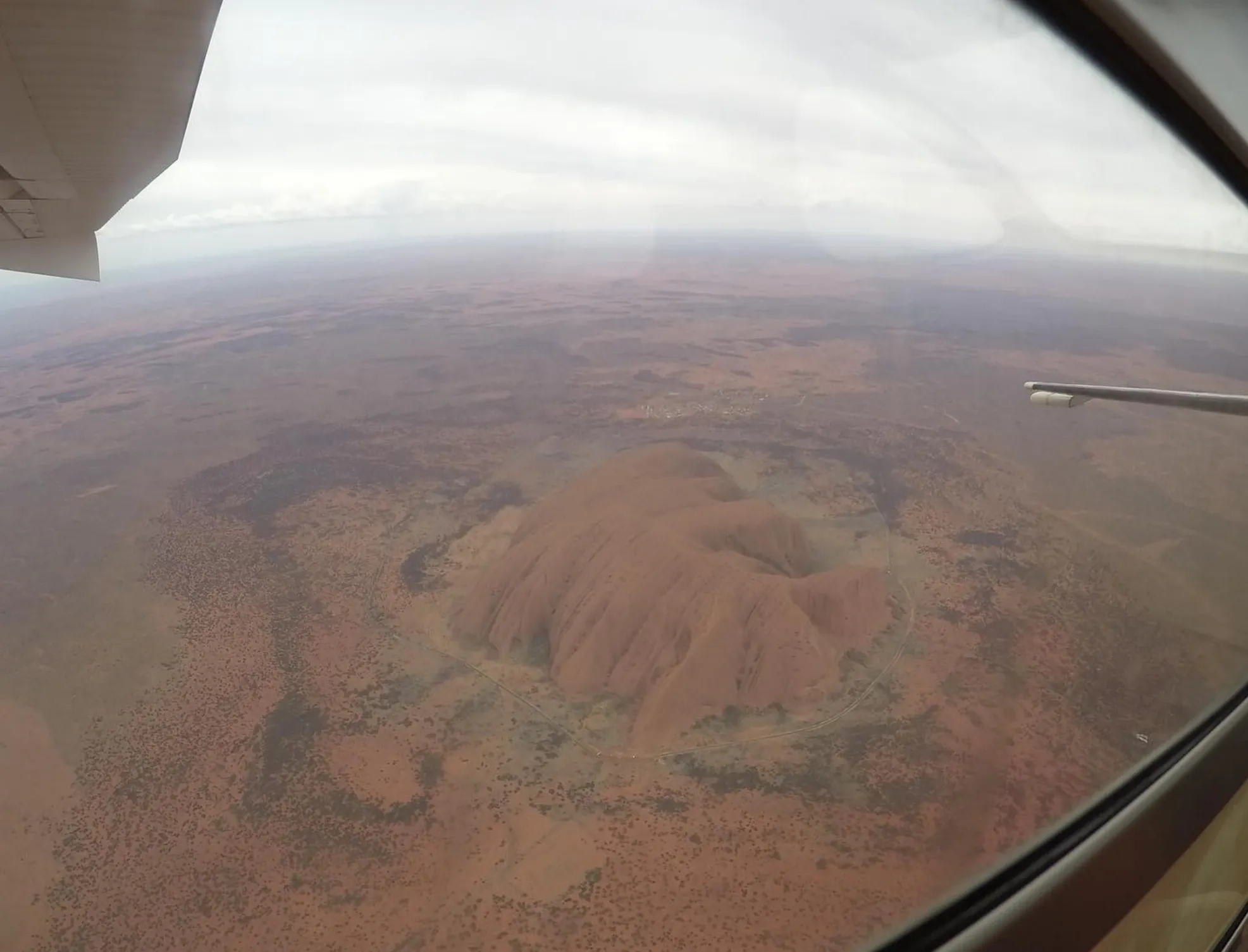
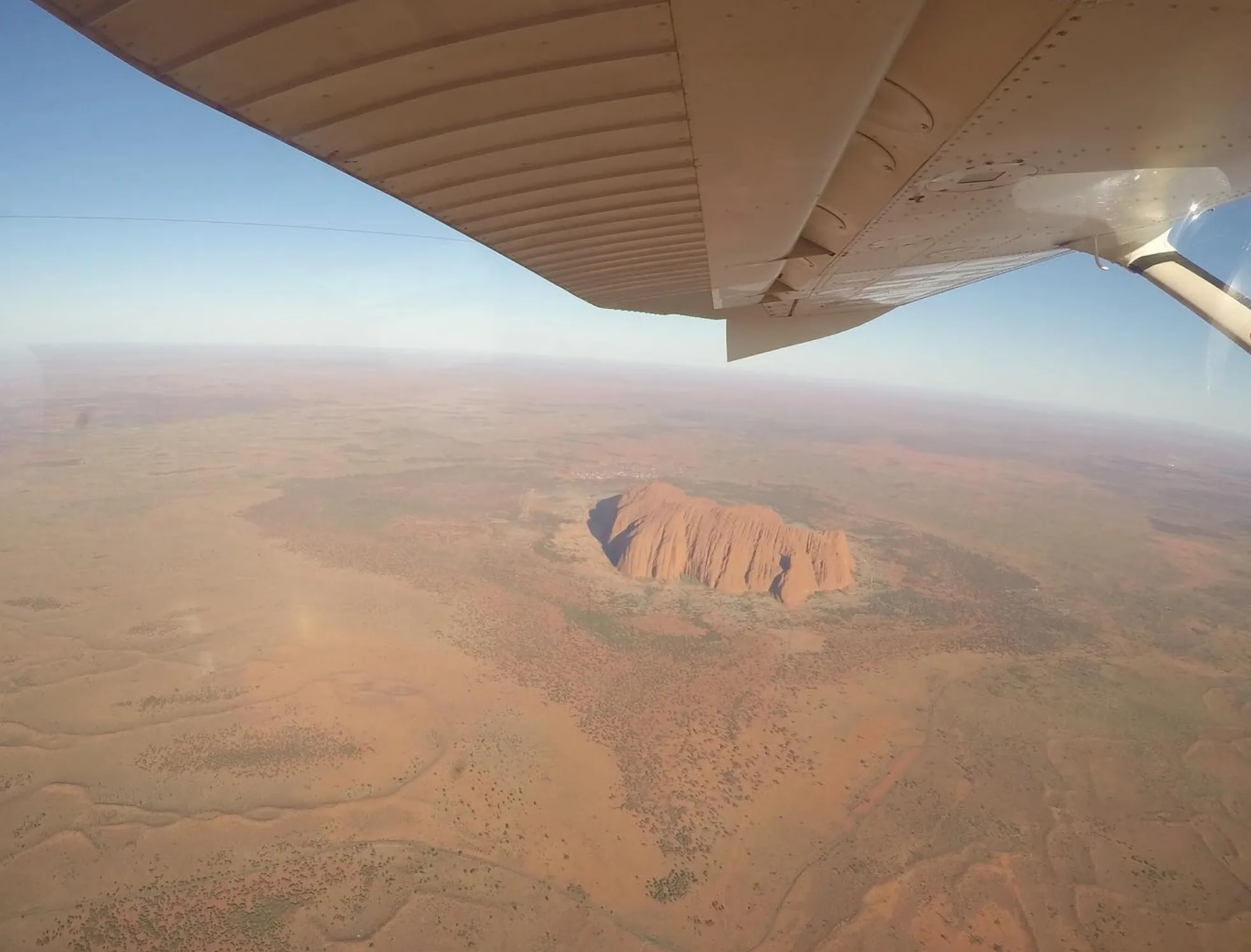
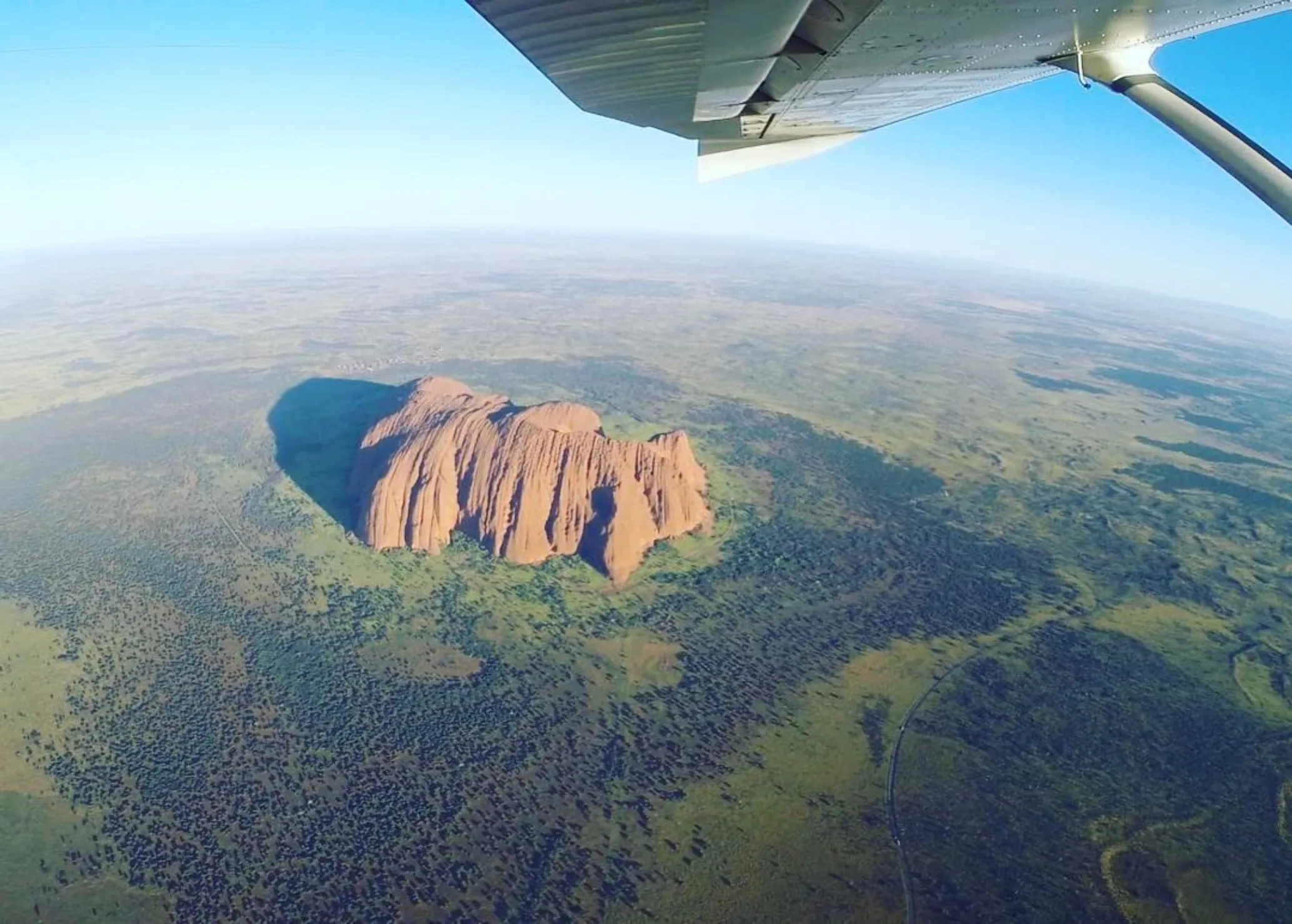
The first thing a lot of travellers notice when they get in the air is just how vast the space around Uluru really is. On the ground its all about the rock, but up in the air, you start to take in the bigger picture.
So, you’ll see:
- The salt flats around Lake Amadeus
- The domes of Kata Tjuta rising up out of the desert
- Long stretches of desert track winding its way through spinifex country
- Dry creek systems twist their way through the bush
- Ranges stretching out as far as the eye can see towards Watarrka National Park
On a clear winters morning you can see for over 100kms, but come the hotter months and heat haze can cut that right down – I found that out the hard way years ago when i booked a midday helicopter flight in November. By 11 am, the whole place looked like it’d been hit by a heat haze, and even the pilot said the crisp colours you see in the tourist brochures? Forget about it. The fella next to me just shook his head and said: “Looks like someone’s spread a bit of Vegemite across the horizon”. Fair call.
| Experience | Best Feature | Biggest Downside | Realistic Cost (AUD) |
|---|---|---|---|
| Tandem Skydive | Adrenaline and altitude | Short viewing time | $350–$550 |
| Short Helicopter Tour | Detailed aerial views | Expensive per minute | $150–$280 |
| Extended Scenic Flight | Wider regional coverage | Less intimate than a helicopter | $300–$600 |
| Hot Air Ballooning | Quiet sunrise experience | Weather dependent | $400–$500 |
Most travellers booking with Uluru Ayers Rock Tours combine flights with ground activities because, quite frankly, the aerial experience alone usually isn’t enough to fill up an entire day
The Skydive Over Uluru Sacks You In A Big Way
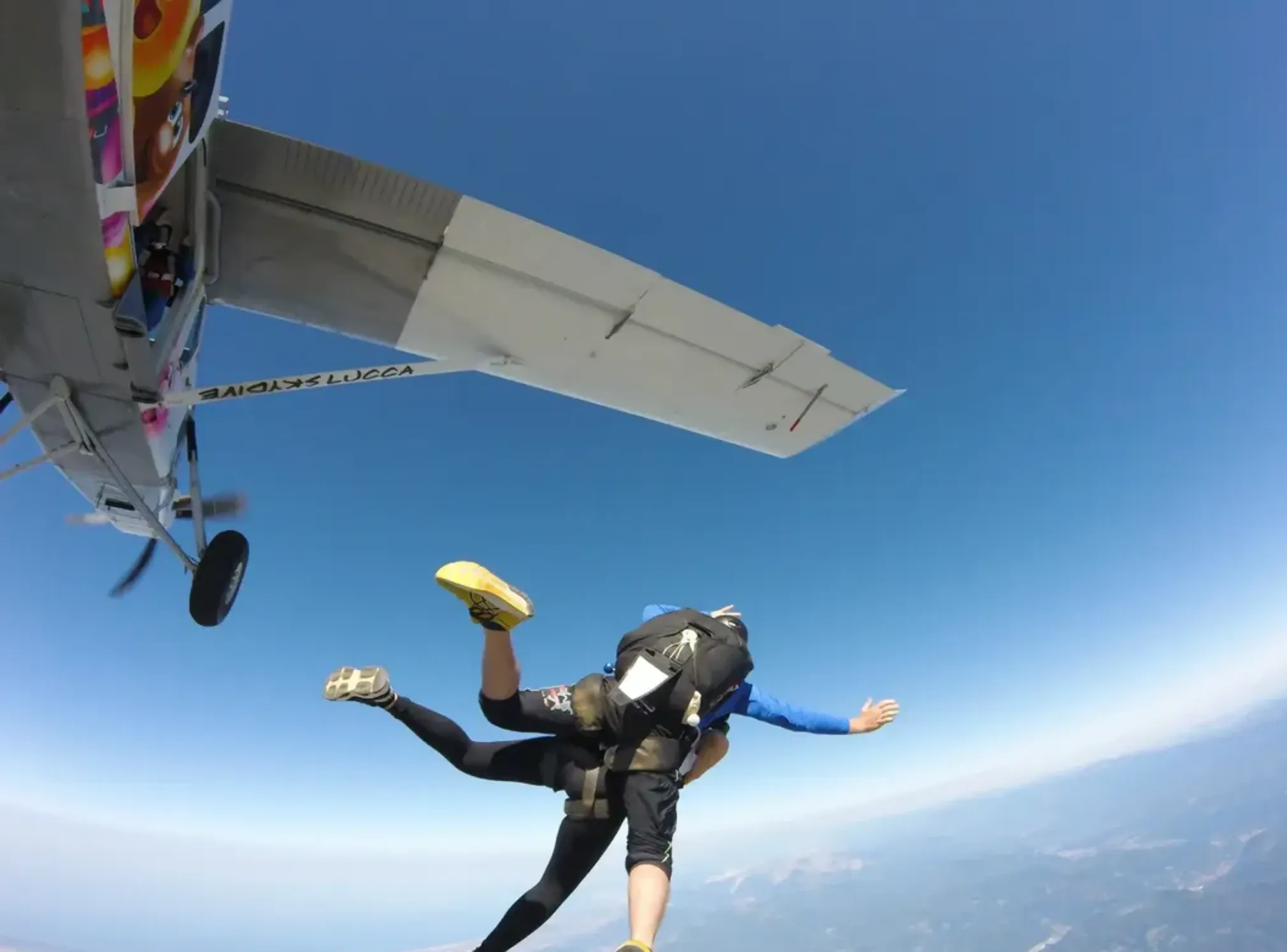
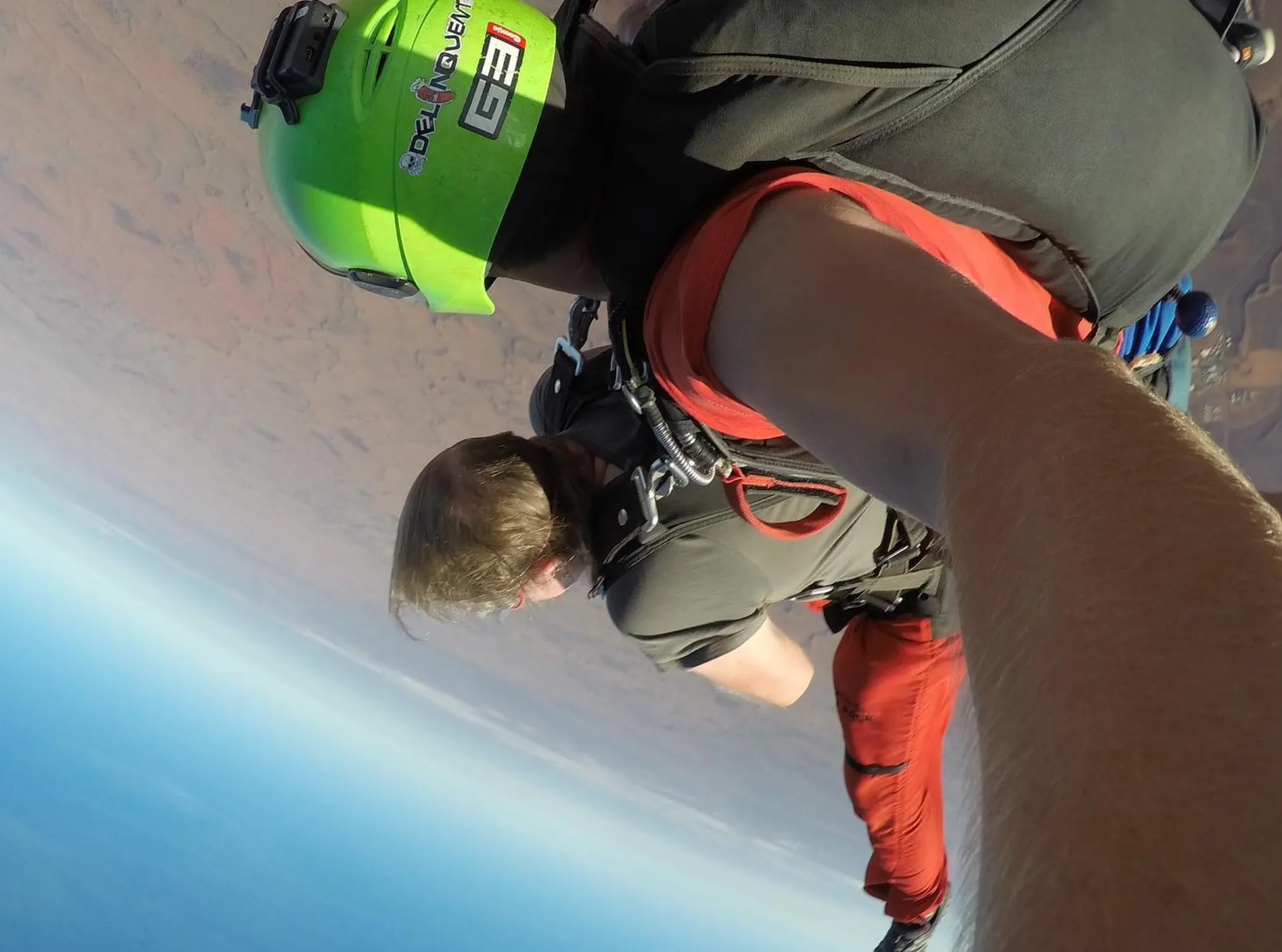
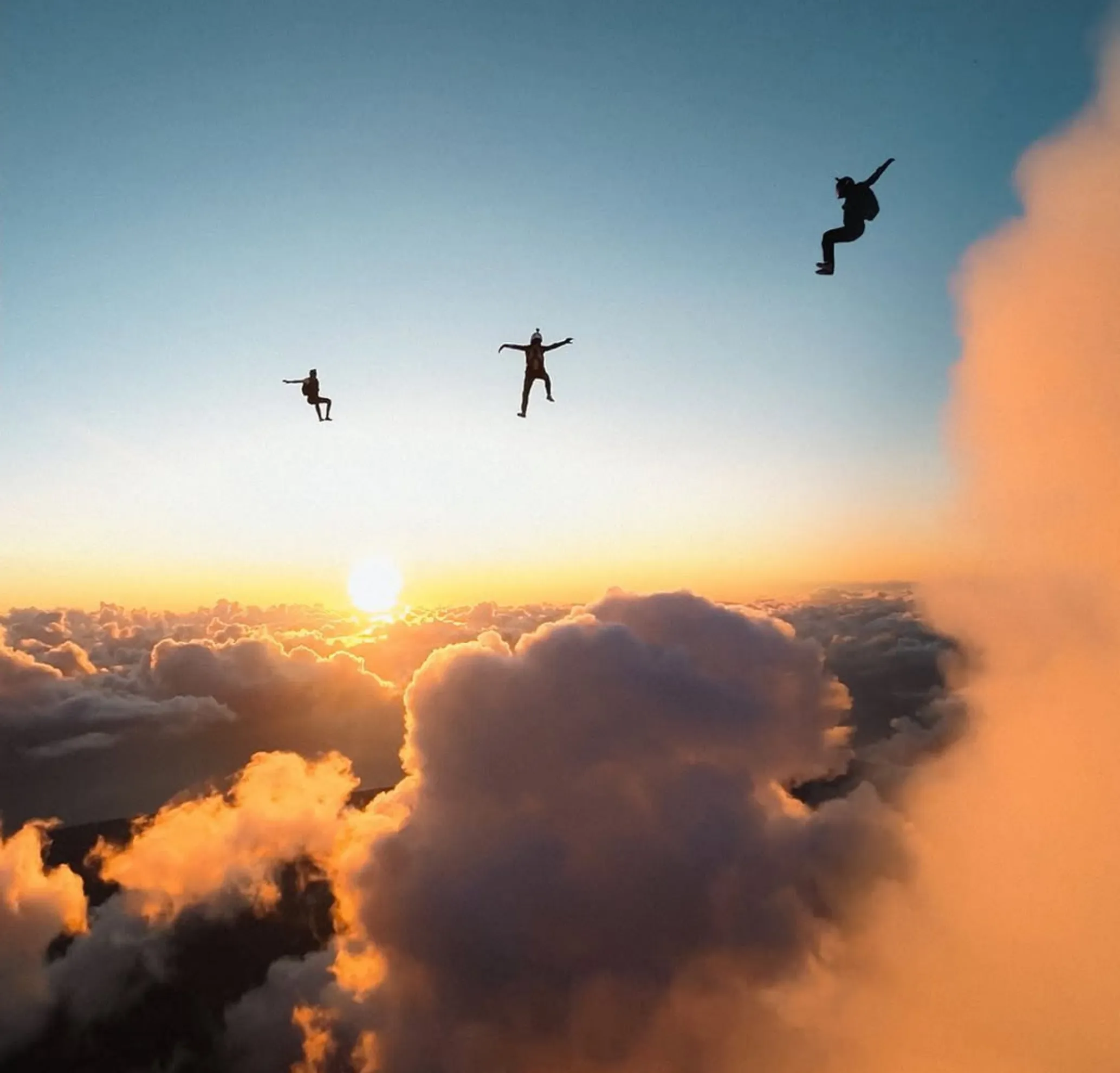
Skydiving over Uluru is pure sensory overload – your body is fighting to keep up. One minute you’re clipped into the aircraft listening to safety briefings, the next second the door swings open and you get whacked in the face with a blast of desert wind, it’s like being hit with a wet towel on a hot day.
My first time I did a tandem dive I thought to myself “i’m going to spend the whole time admiring this amazing view” – but the reality was the first 30 seconds were all about trying to remember how to breathe properly.
That’s what catches people out.
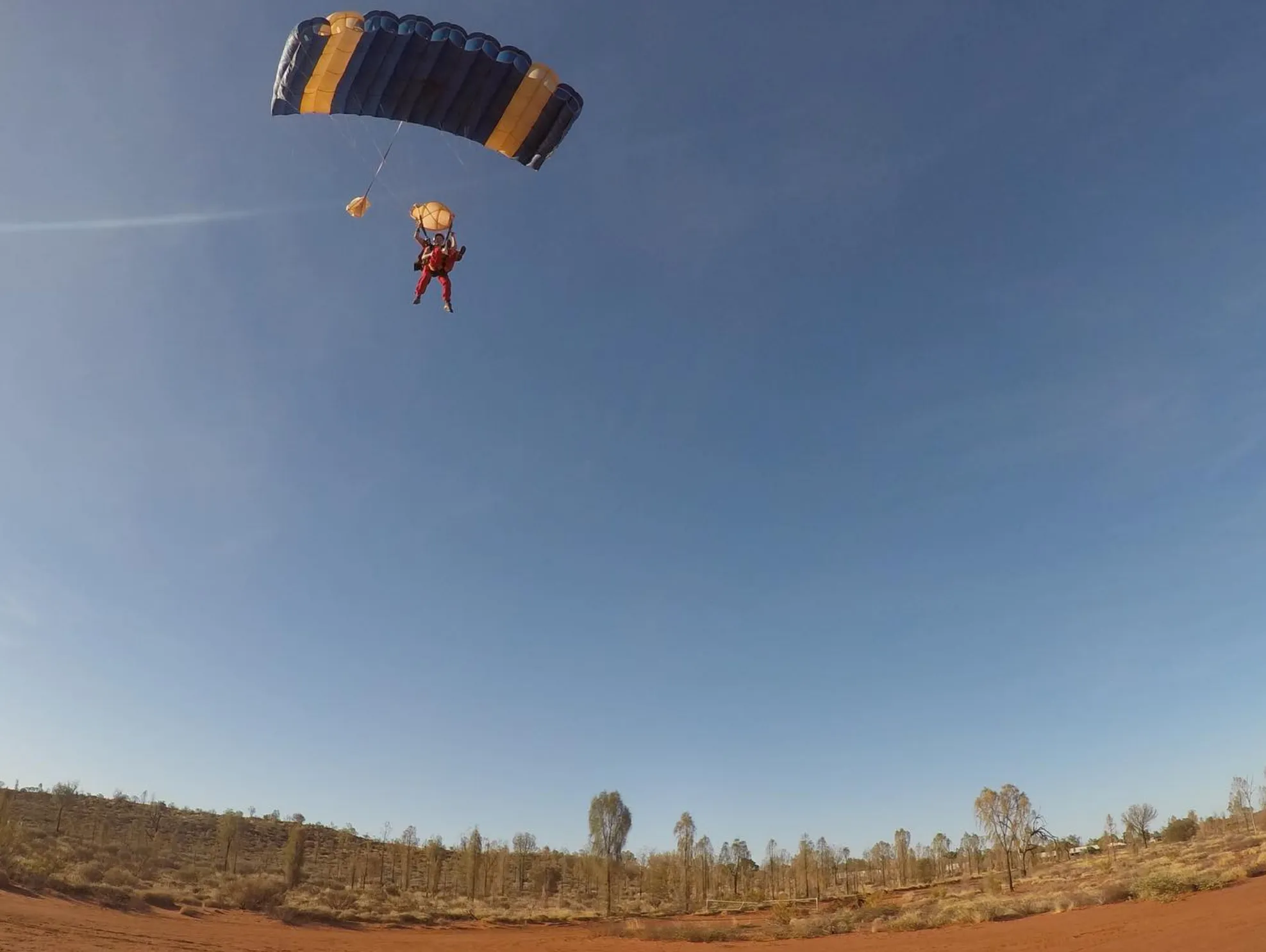
The views are stunning, but the adrenaline rush dominates the experience. Once the parachute opens and you start to float down, the desert starts to look more peaceful, and the scale of the outback really starts to sink in.
What Most Travellers Get Wrong About Skydiving at Uluru
- Blinding sunlight
- Distorted wind effects
- Watery eyes
- Dust haze
- And, just when you thought you’d got your photo perfect, a fly takes a snap with you – no matter how heroic you feel
Who Should Probably Avoid Skydiving Here
Skydiving isn’t ideal for:
- People who get nervous at heights
- Anyone with neck or back issues
- Those expecting a calm sightseeing experience
- Visitors who are travelling during extreme summer heat – when temperatures push beyond 38°C, even standing around the airfield starts to feel like an effort, I’ve seen people from cooler climates literally unravel quicker than shoes on hot pavement
Why Helicopter Tours Win For Views
And then there’s the helicopter experience – this quietly delivers.
Unlike the skydive, you get to look at the landscape for almost the whole flight – you can follow shadows moving across Kata Tjuta, watch dry river systems and see how isolated Uluru really is in the wider desert.
The lower altitude also makes a huge difference – from up high, you can see all sorts of things that would be invisible from up in the stratosphere, like:
- Deep erosion lines
- Patterns in the sand dunes
- Bush tracks
- Desert Oak clusters
- Colour changes through the rock faces
Some longer Uluru helicopter tours even stretch towards Mount Conner and sections of Kings Canyon country – these cost more, but they give you a much broader understanding of the region beyond the famous shot.
The Not-So-Well-Known Advantage Of Helicopter Tours
- Travellers who choose early flights rate the experience way higher
- Midday passengers complain more about glare and heat
- Sunset tours get the best photo reactions
- its not marketing fluff – it’s just the desert light doing what desert light does
Getting Around Uluru Smoothly
- The roads are sealed and fairly straightforward – you won’t get lost
- However, fuel prices are a bit of a shock compared to what you’re used to in the city
- And after sunset, wildlife is suddenly a much bigger concern than it was before
- Daily parking at popular viewing spots fills up fast during peak season
What the Brochures Don't Tell You About Timing
A sunrise helicopter experience might sound like a 25-minute breeze in the air, but the reality is your day will go something like this:
| Activity | Realistic Time Needed |
|---|---|
| Resort pickup | 20–30 minutes |
| Safety briefing | 15 minutes |
| Waiting/weather checks | 10–30 minutes |
| Flight duration | 20–45 minutes |
| Return transfer | 20–30 minutes |
That’s easily half a morning gone – and honestly thats fine with me – Rushing through Uluru is the quickest way to miss the point of the place – and thats probably what I’d do if I hadn’t been here before.
Best Ground Experiences After Flights
My Preferred One-Day Combination
If you only have one day around Uluru and want to make the most of it, this is the combination of flights, walks and viewing areas that I usually recommend to my mates who have come to visit:
- Take a sunrise helicopter flight – its a real rush
- Take a break in the late morning to avoid the peak heat – you don’t want to be walking around in the middle of the day with the sun blasting down
- Do the Mala Walk in the afternoon – its a good way to see the rock up close without burning yourself to a crisp
- Head down to the sunset viewing area – its a great way to see the rock change colour as the sun goes down
- Stick around for the Field of Light by Bruce Munro – its a real showstopper
This combination gives you aerial views, some cultural context, and a glimpse of the desert’s amazing colours without putting you through the wringer.
Seasonality is all About More Than Just the Weather
Most people think “winter is good, summer is bad” and leave it at that – but thats not really how it works.
Winter (May-August)
Its probably the best overall time to visit – clear skies, cooler temperatures and a lot easier walking – but – its going to be busier – more expensive too – and a bit of a zoo at the viewing areas.
Shoulder Months (April & September-October)
These are my favourite months to visit Uluru – slightly warmer but not too hot – and much fewer people to deal with. Its a pretty good balance between doing all the aerial stuff and walking around on the tracks.
Summer (November-March)
This is one of the worst months to visit – the heat is just brutal – some days are pretty uncomfortable by mid-morning – flights are often moved to earlier in the day because of the heat – and walking around after 10 am is just plain not a good idea.
And unlike some other places up in the Northern Territory, you don’t get much relief from the heat once the sun is out.
Reality vs Expectation In The Red Centre
Expectation:
You’ll just wander around Uluru all day, taking perfect photos and enjoying the breeze.
Reality:
You’ll spend most of the time sweating, dusty and a bit sunburnt – with flies buzzing about – and you’ll be drinking water nonstop.
Expectation:
The skydive is just a lovely scenic flight.
Reality:
Its more about the adrenaline buzz than the views – although the views are nice too.
Expectation:
One night will be enough.
Reality:
Most people wish they had stayed longer once they settle into the pace of the desert – and the locals will tell you the same. Most visitors treat Uluru like a quick stop on the bucket list and end up wishing they had another day to do some of the other stuff, like camel riding, Segway Tours or more cultural tours around the national park.
Even things like Uluru Tours get a surprise reaction from people – sounds like a touristy thing, but sunrise camel treks through the desert can be pretty peaceful once you leave the crowds behind.
Paul’s Final Take