What they don’t tell you about the jumping crocodile cruise experience is simple: it’s not just a wild croc show—it’s a carefully managed wildlife cruise on the Adelaide River in the Northern Territory, shaped by seasons, safety rules, and a fair bit of unpredictability. You’ll absolutely see some jumping crocodiles, but what the glossy brochures don’t mention is how much timing, river conditions, and the guide have to say about what you get on the day.
I’m Paul, someone who’s run enough Top End trips along the Arnhem Highway to know that this one catches a lot of people out. In a good way, if you’re prepared, but in a pretty disappointing way if you rock up thinking it’s all some sort of theme park stunt. Let’s break this down properly so you can walk into a crocodile cruise with your eyes open, not wide-eyed and fully expecting the unexpected.
What Really Triggers That Sudden Launch
The truth is, everyone imagines crocs leaping out of the water on cue, but it’s all about instinct – not choreography. They’re not doing it to order.
Understanding Croc Power And Behaviour
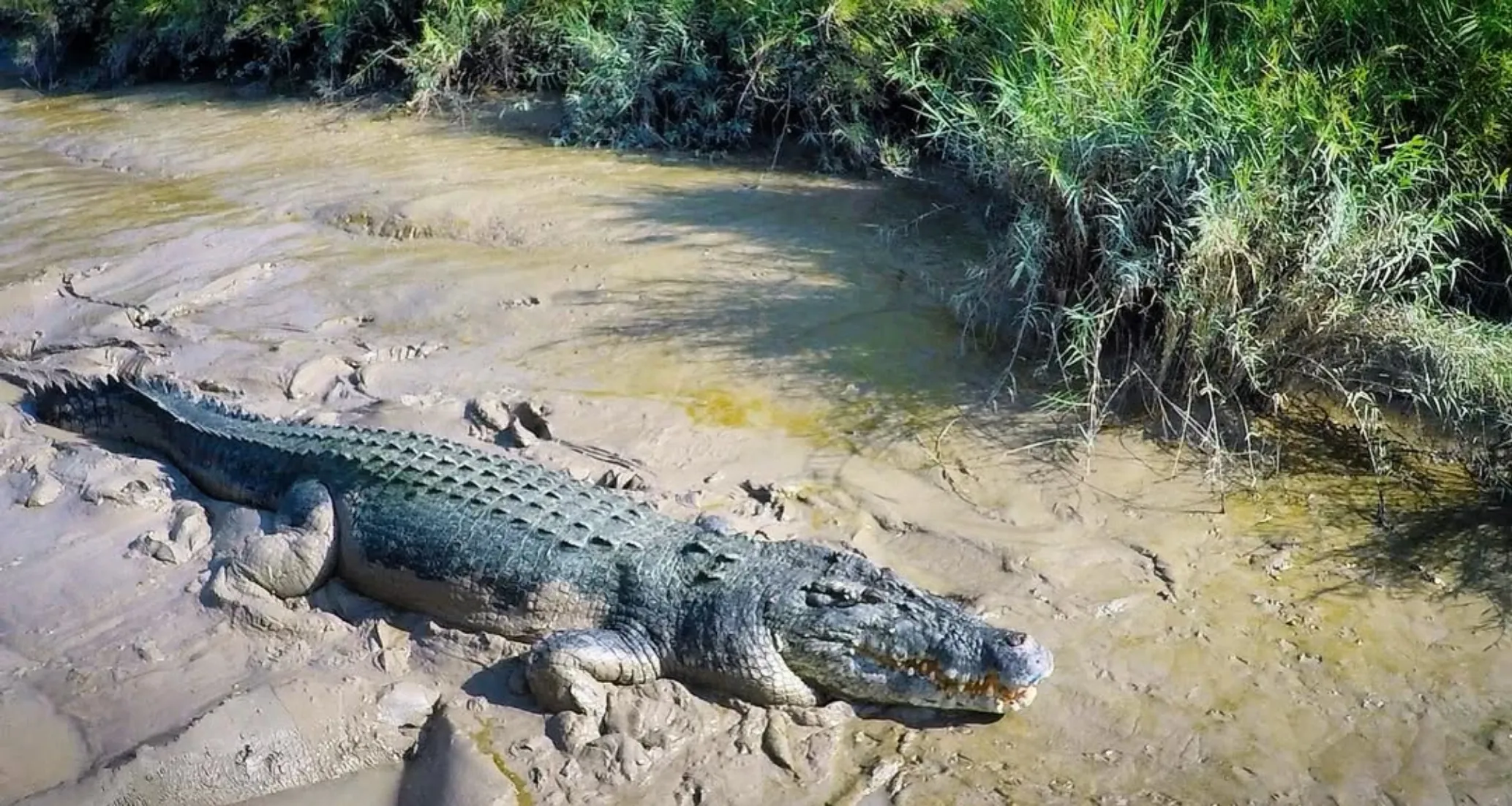
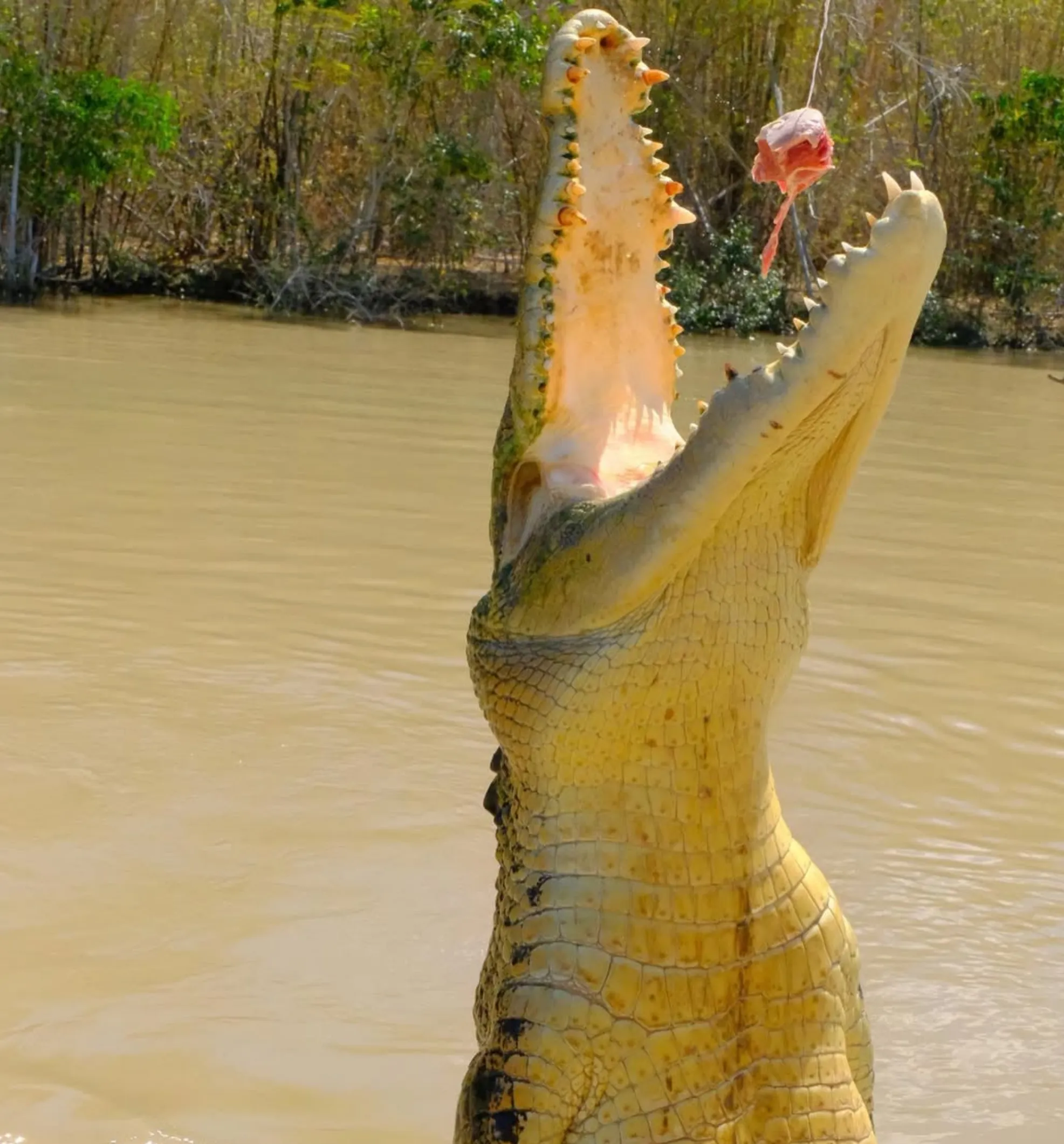
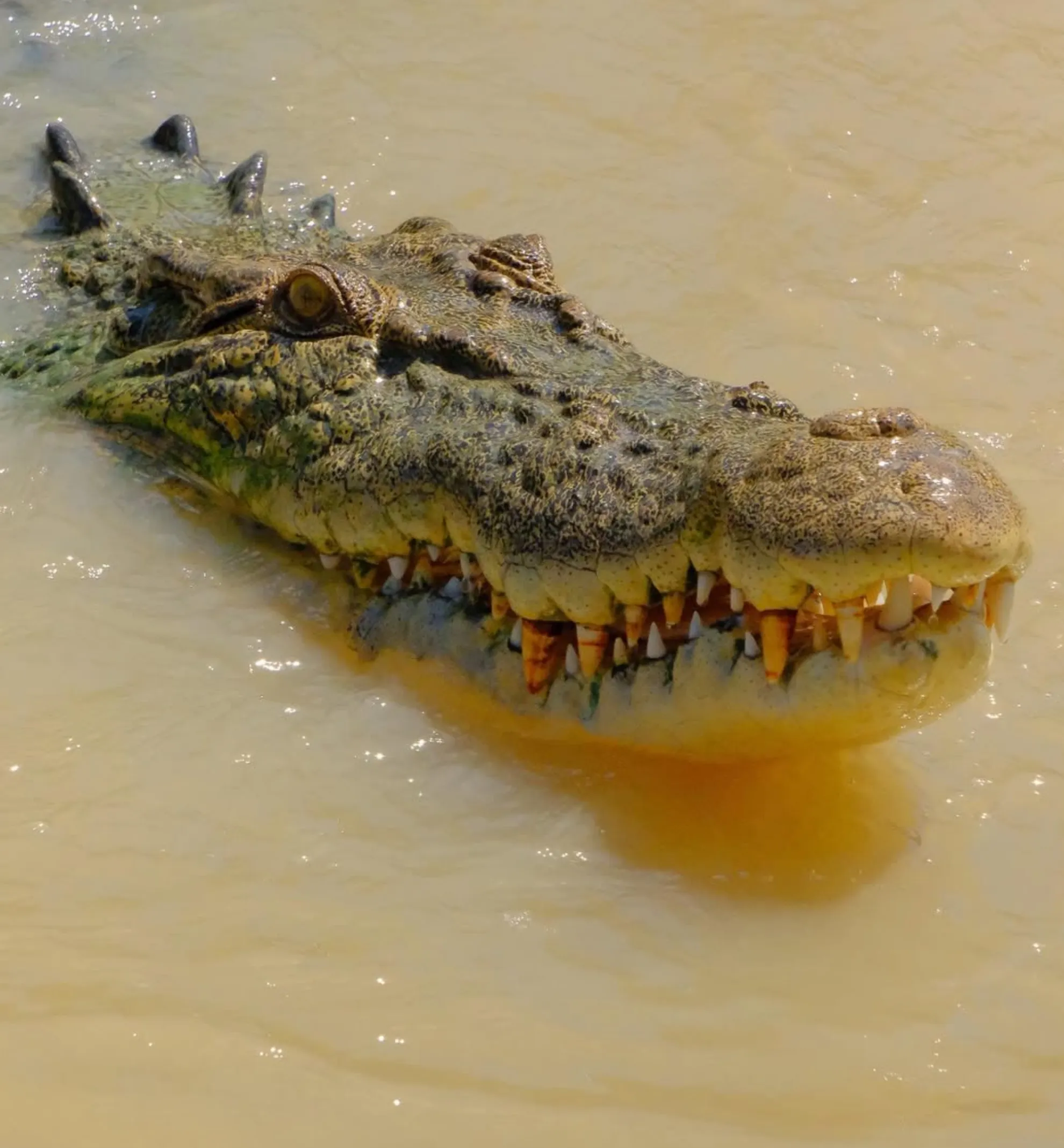
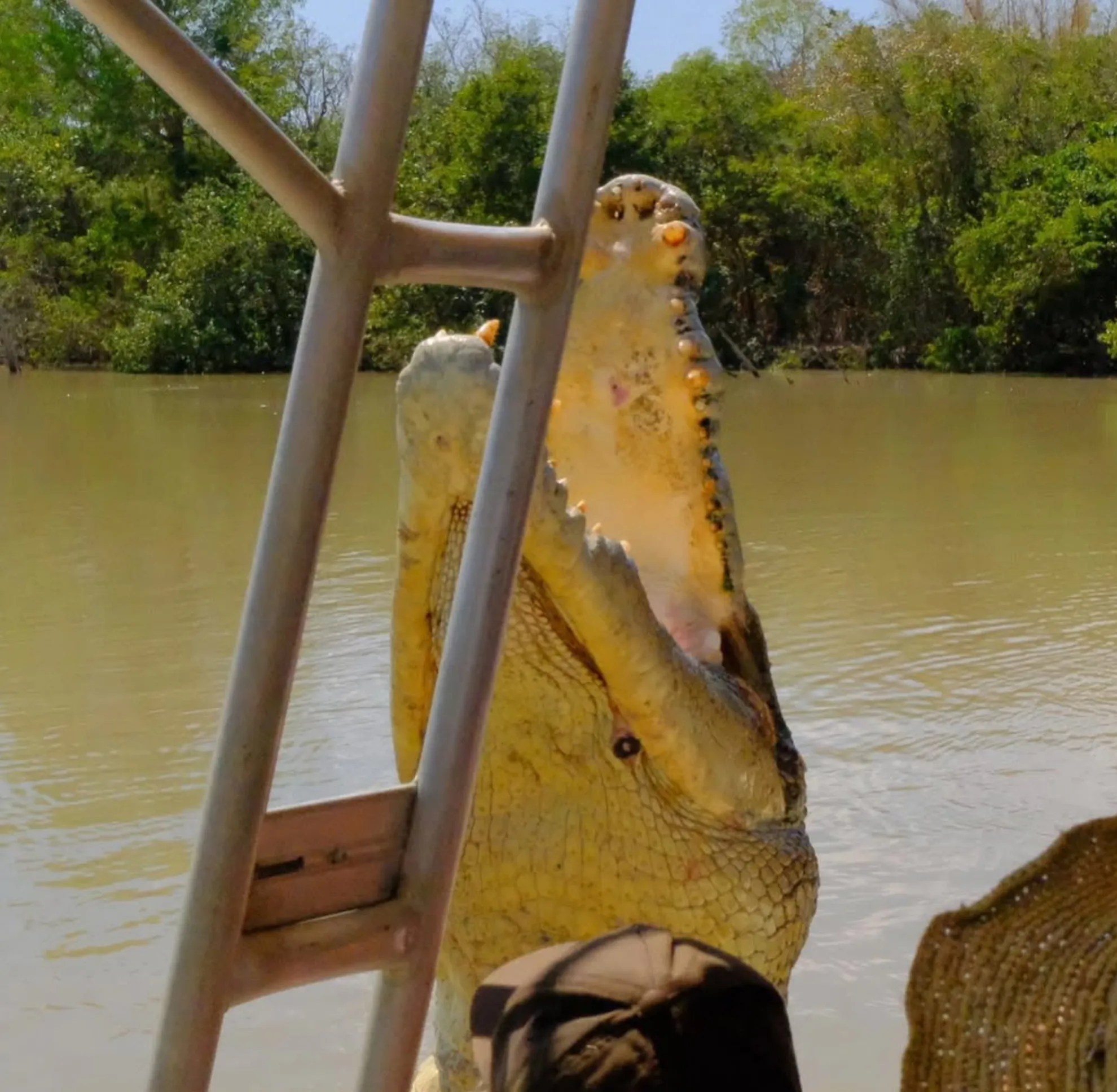
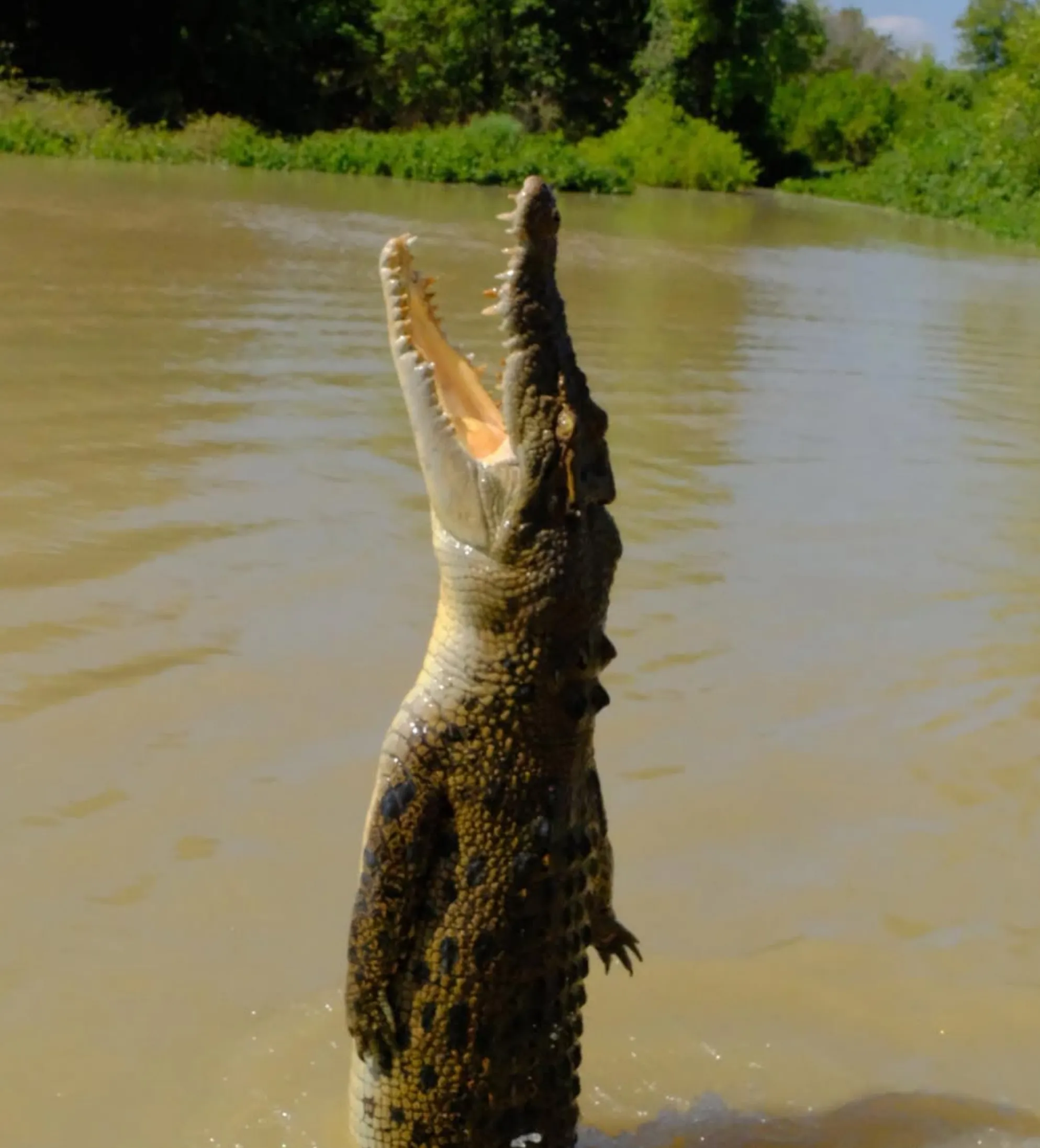
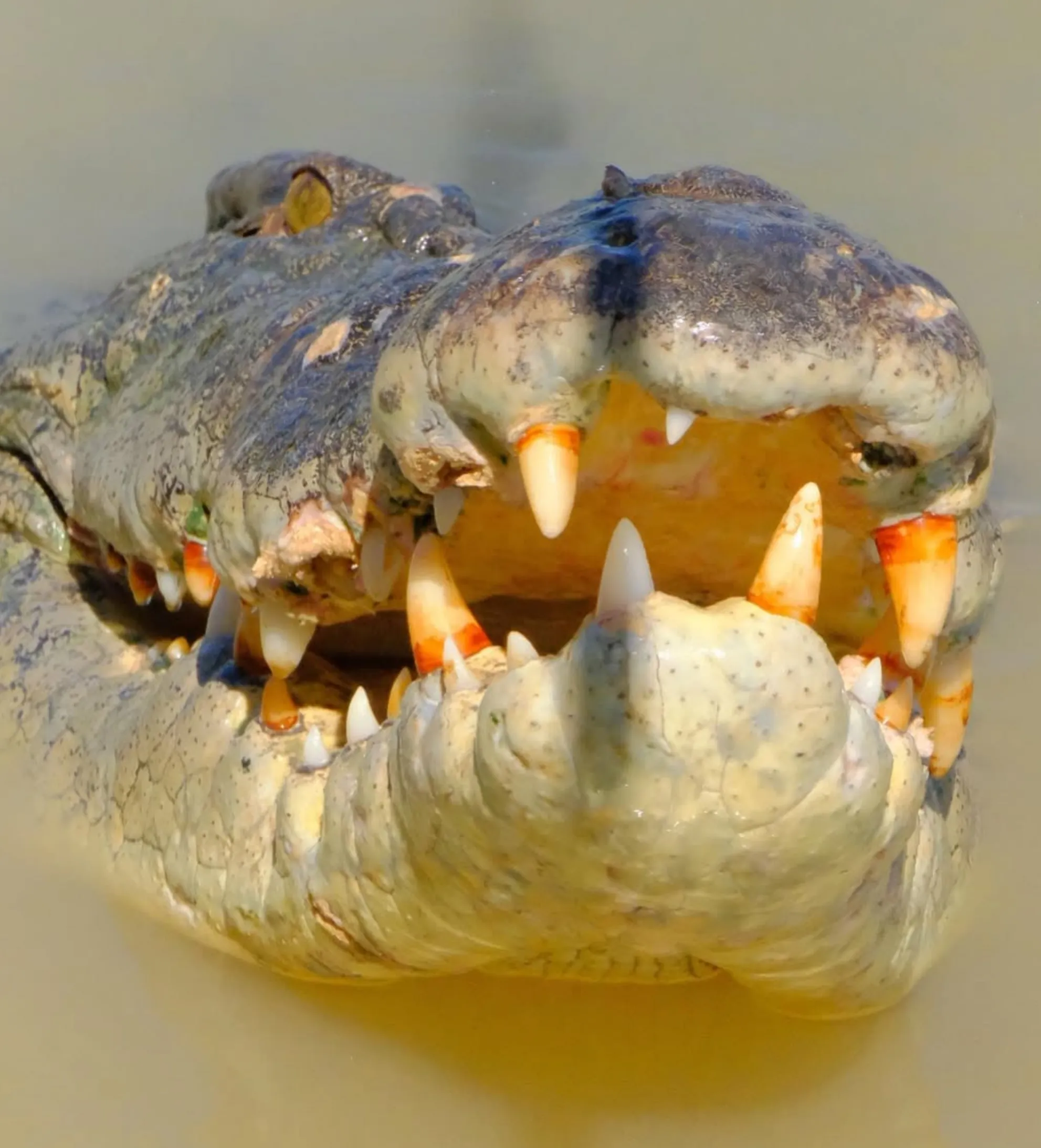
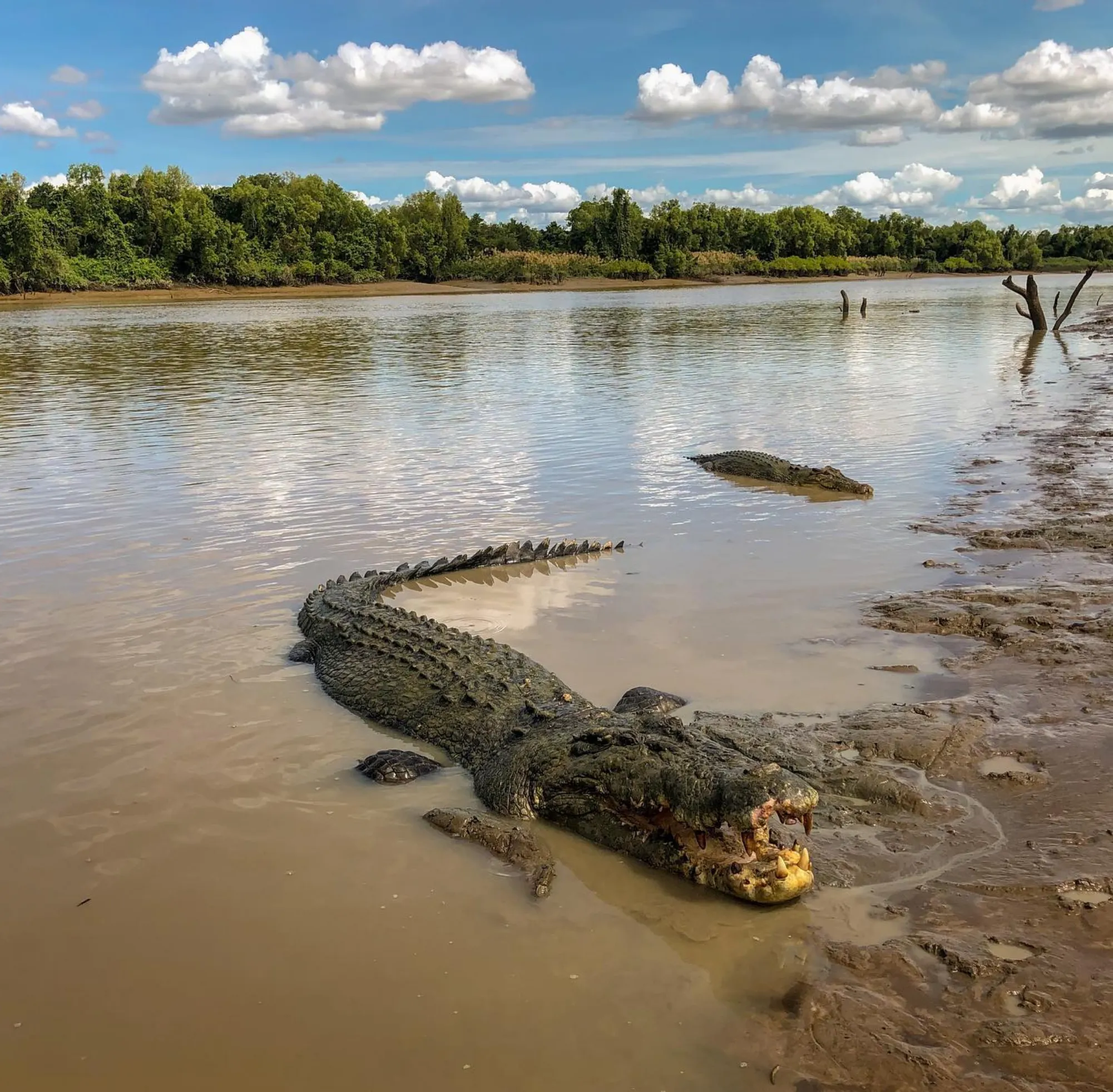
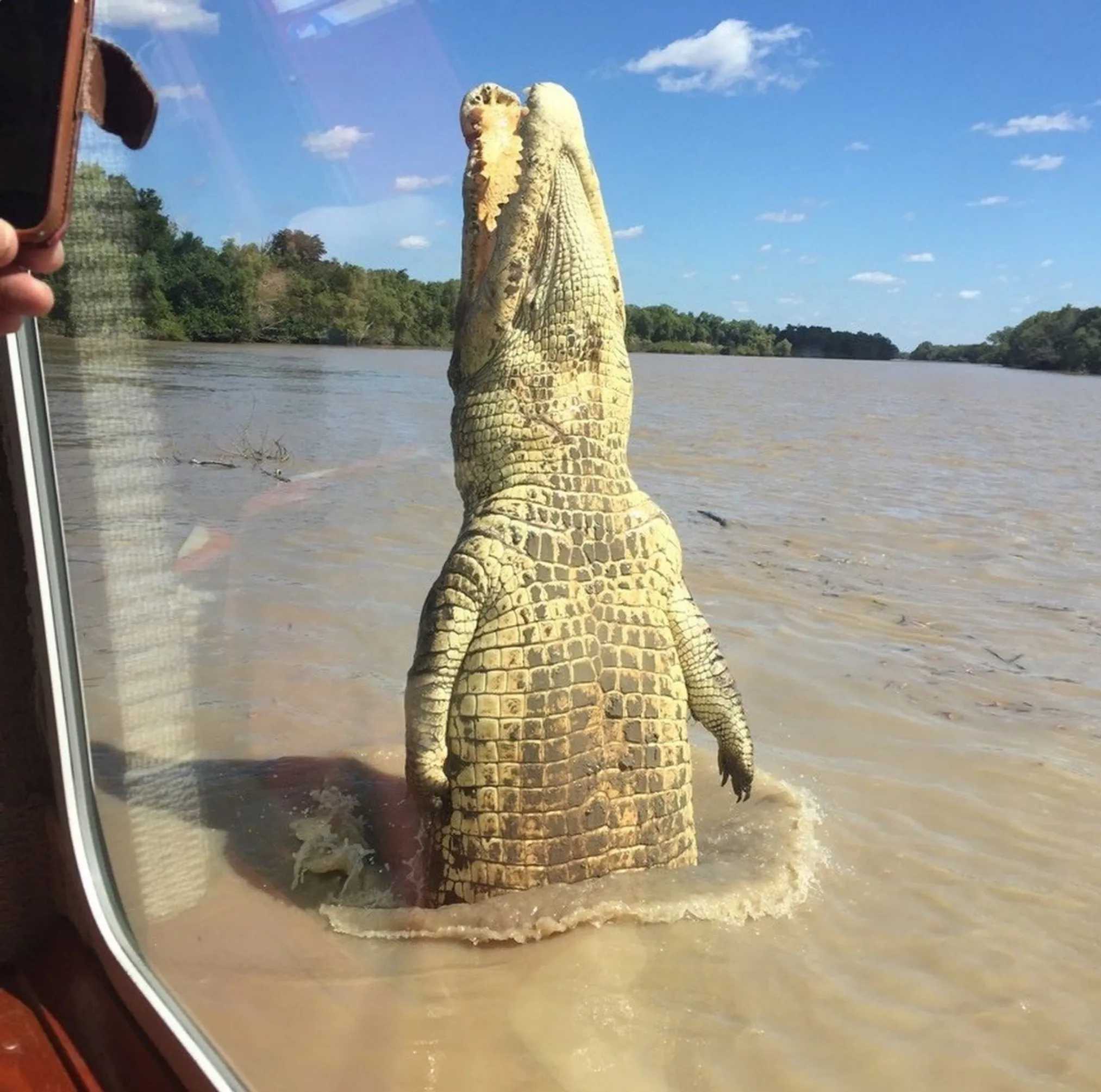
The saltwater crocodile (Crocodylus porosus) is the heavyweight of the reptile world – after all, it is the biggest of the bunch. These Australian saltwater crocodiles use their massive tail propulsion to launch themselves vertically – which is exactly what you see on a crocodile cruise. Guides use bait – usually some buffalo meat – to coax this natural behaviour out of them, not push them into doing something they don’t want to.
The key point is that crocs are pretty fussy. Bigger animals tend to show up less often but with a lot more force. What you’re seeing is raw crocodile biology in action, not some puffed-up circus routine.
Why It Feels Slow… Until It Doesn’t
You’ll be drifting along some stretches of the Adelaide River catchment, just scanning what looks like still water. And then, without warning – whoosh! A full-on launch, jaws snapping, water flying everywhere.
That jarring contrast between calmness and chaos is exactly what makes this experience work so well.
When To Go If You Want The Best Action
Timing in the Top End is really, really important.
Seasonal Conditions That Shape The Experience
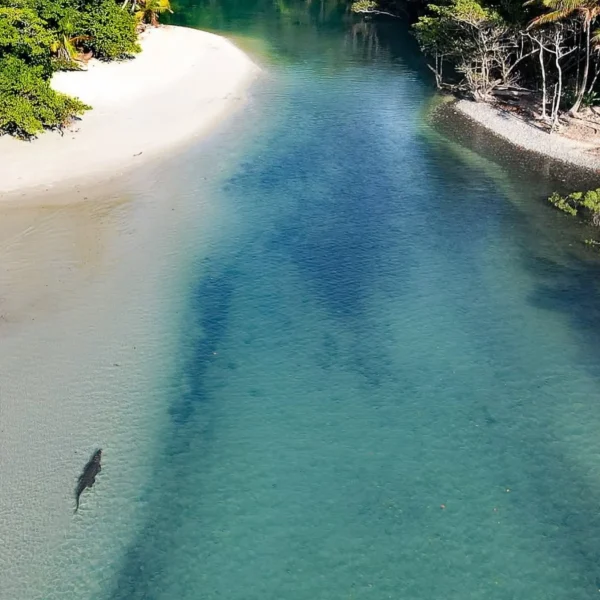
The dry season (that’s roughly May to October, by the way) is when you get the best visibility and sightings. The lower water levels keep the crocs concentrated along the banks of the Adelaide River.
In the wet season, the floodplains spread out right across the Adelaide River catchment, which tends to scatter the animals and reduce the number of close encounters.
Picking The Right Time Slot
| Time Slot | Croc Activity | Conditions | Crowd Level |
|---|---|---|---|
| Early Morning | High | Cooler, calm river | Moderate |
| Midday | Low | Hot, harsh sun | Busy |
| Late Afternoon | High | Golden light, active | Moderate |
If you’re booking a Jumping Crocodile Cruise, go early or late. Midday trips can feel long, hot, and quieter on the wildlife front.
What Else Moves Along The Riverbanks
Birds, Bats, And A Bit Of Everything
The Top End is teeming with life. When you’re cruising, you’ll often catch a glimpse of white-bellied sea eagles soaring overhead, waiting for scraps, alongside other raptors and wetland birds that line the banks. And if you keep an eye on the trees, you might spot a Black Flying-fox hanging out in the shade – who knows how long it’s been up there.
This isn’t just a croc zone – it’s part of a much bigger ecosystem that links into Kakadu National Park – actually one of Australia’s richest wildlife regions.
Why The Quiet Sections Matter
How Operators Keep It Controlled And Safe
You’ve got saltwater crocodiles in this stretch, so safety is a top priority – it’s inbuilt into every part of the operation.
What Happens Behind The Scenes
Your Role on the Board
Seems simple, but it really does matter – just stay seated, keep your hands to yourself, and listen to the instructions. These rules aren’t just there to be strict – they’re what make the experience safe and enjoyable.
What You’re Actually Paying For
Value Breakdown (As Of 2026)
- Adult tickets typically range from AUD $40–$60
- Duration sits around one hour
Why Going Solo Isn’t Smart
The Adelaide River isn’t a place to test your luck. The locals treat it with respect, and you should too – these are crocs we’re talking about after all.
And when you’re travelling from Darwin on a Jumping Crocodile cruise, most people quickly work out that this is one experience that’s best left to the pros.
Expectation Vs Reality On The Day
| Expectation | Reality |
|---|---|
| Constant action | Short bursts of intensity |
| Theme park-style entertainment | Wildlife-led experience |
| Mild conditions | Hot, humid Top End weather |
| Close-up photos | Safe, managed distances |
| Guaranteed sightings | Nature decides |
Small Tweaks That Make A Big Difference
Just a few simple choices can turn a fairly decent trip into a fantastic one.
Practical On-The-Ground Advice
- Lighten up on the clothes – you’ll be melting in that Top End heat.
- Bring plenty of water – you’ll sweat more than you ever thought possible.
- Don’t forget the mozzie repellent, ‘cos those little buggers are everywhere.
- And get your booking in early in the peak travel months – trust us on that one.
It also goes perfectly hand-in-hand with a bit of a broader loop – loads of travellers combine it with Litchfield National Park or continue over to Kakadu National Park via the Arnhem Highway.
Why This Experience Still Holds Up
Loads of attractions come and go, but this one remains a favourite for a reason.
And that’s because:
- It’s rooted in real, actual crocodile biology – not just some fancy theory.
- It follows a strict set of animal-welfare guidelines, so you can feel a bit better about watching those crocs.
- It’s got clear environmental guidelines in place too – which is always a plus.
Final Takeaway: Worth Your Time Or Not?
The honest answer is:
- If you’re after a slick, polished show, you might leave feeling a bit underwhelmed
- But if you want a genuine Top End experience – watching a saltwater crocodile launch itself out of the water just metres away from you, feeling that rush of adrenaline, and getting up close to the raw environment of the Adelaide River – then it’s absolutely worth it.
It’s hot. It’s unpredictable. Sometimes it’s quiet, the next minute it’s crazy wild. That’s the Northern Territory for you.