At its core, most Great Barrier Reef tours cover the basics: boat transfer, snorkelling equipment, a safety briefing and a meal. But let’s face it, it’s what you get from those things that really matters. I’ve seen plenty of tourists think they’ve snagged a deal on a cheap reef tour, only to find themselves on a crowded platform with limited access to the reef and a hasty crew to deal with.

Hi, I’m Paul – I’ve spent years guiding reef trips all over North Queensland, from Cairns and Port Douglas to the Ribbon Reefs. And from what I’ve seen, it’s not just what’s included in a tour that matters – it’s how the day actually pans out. The really good reef tours are the ones that take you out to the good stuff, manage the conditions on your behalf, and give you the time and space to properly experience the reef.

Table of Contents

Where Your Money Actually Goes

At first glance, a reef trip might look like a simple affair. But once you’re out on the water, you start to get a sense of just how much goes into it. There’s the fuel, the crew, reef permits, safety gear… and then there’s the cost of heading into the Coral Sea. All those things add up, especially when you’re pushing way out.
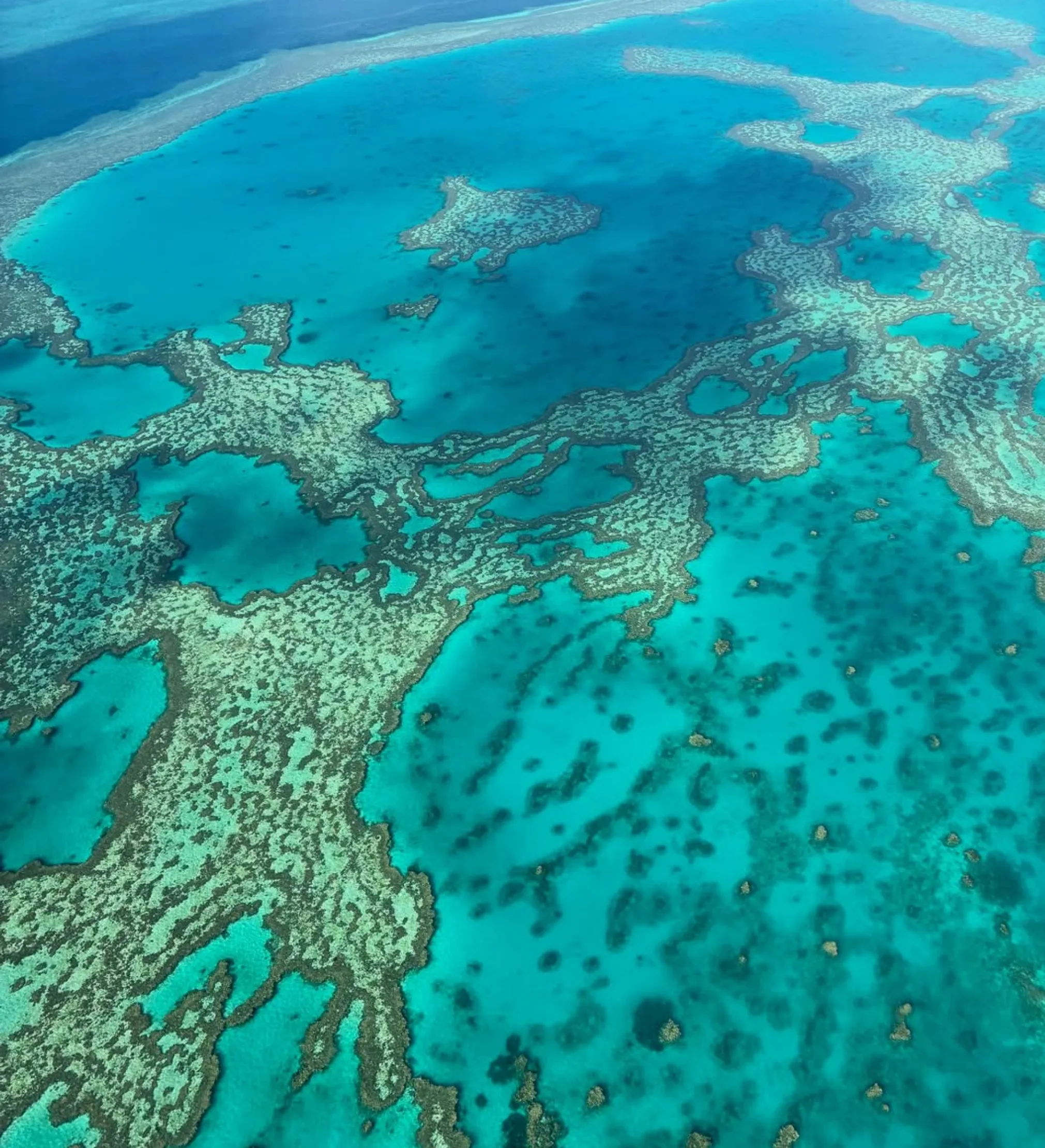
Great Barrier Reef tour inclusions and hidden costs

Travel Time is Longer and Rougher than Most People Expect

Most departures leave from the Reef Fleet Terminal near Abbott Street in Cairns or the local marinas. Depending on where you’re headed – inner reef areas or way out to the likes of Moore Reef – you’re looking at 60-120 minutes each way. And here’s the thing – that journey isn’t always smooth sailing. I’ve had days when the sea was flat as a pancake – and others when the Coral Sea turned it into a real washing machine. If you get seasick easily, it’s worth considering a larger boat or sitting midship, where the motion is a bit less noticeable.

The Further Out You Go, the Better Your Chances of Seeing the Reef at Its Best

In my experience, the budget tours tend to stay closer to shore or stick to the fixed pontoons. You’ll still see some corals, but they’re just not as vibrant as the outer reef sites. Once you push farther off the coast, the water clears up, the corals are healthier, and the marine life gets much more interesting.

When people ask me about reef tours, I always give them the same advice: the further out you go, the better your chances of seeing the reef at its absolute best.
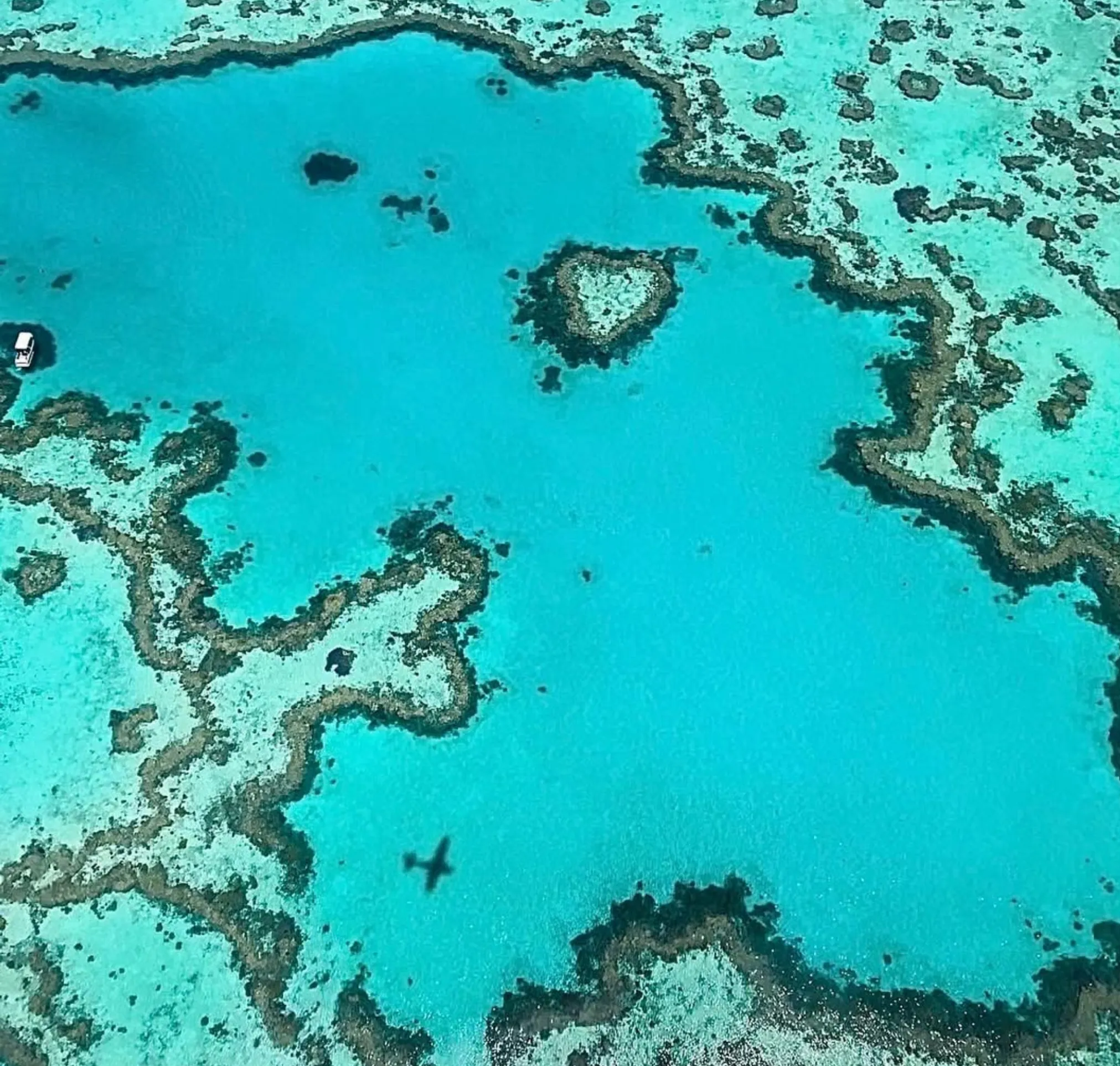
cheap vs premium Great Barrier Reef tours

Food, Comfort & Why It Matters

Most tour trips are pretty much the same, but the way they’re done makes all the difference. That’s where your day makes or breaks.

Meals & Keeping You Going

Most mid-range tours chuck in a buffet lunch. Operators like Reef Magic or Sunlover Reef Cruises tend to lay on a pretty solid spread – salads, seafood & fruit. Budget operators might keep it low-key or charge extra for it. After a few hours in the water, you’ll be starving. I’ve seen people underestimate this one and end up regretting a skipped meal or two.

The Boat - How It All Adds Up

This is one of those things where you don’t even notice it’s good until it’s gone wrong. A well-designed boat gives you some shade, some indoor seating, and entry points that don’t make you feel like you’re going to get seasick. On a rough day, the difference is huge: a great boat layout keeps you enjoying the trip instead of just counting the minutes until it’s all over.

Activities - What's Included & What'll Cost You

This is where the budget quietly goes up in smoke if you’re not paying attention. Most reef trips include snorkelling access to a few different spots, plus some extras like a glass-bottom boat or underwater observatory. Pontoon-based operators might chuck in a semi-submersible boat experience too – that’s a nice break from snorkelling if you need it. But then there’s the extras – scuba dive experiences, Seawalker helmet dives, underwater camera rental… all of that’ll cost you extra. And if you want a Scenic helicopter flight over the coral formations and mooring points, be prepared to shell out for it – it’s worth it, but it’s definitely not budget-friendly.
is an outer reef tour worth the extra money

Real Costs For Budget Travellers

Here’s the thing: the reef ticket’s only one bit of the bill.
Expense Typical Cost (AUD) Notes
Reef tour ticket $120–$450+ Depends on reef access
Accommodation (hostel dorm beds) $30–$80/night Common for budget travellers
Mid-range stay (e.g. near Cairns Lagoon or Coral Tree Inn) $120–$250/night Better comfort
Daily food $20–$60 Varies widely
Local transport (Sunbus CBD routes, taxis) $5–$40 Easy access
If you’re planning to stay near the Esplanade boardwalk or Rusty’s Markets, you can keep costs down without sacrificing the prime location. Shoulder season (April–May, October) makes a lot of sense – you’ll get fewer crowds, and often you can snag better deals, without the water clarity ever being too off-putting.
Cairns reef tour with lunch and snorkelling gear

Timing & Conditions That Affect Your Experience

Seasonality isn’t just about waiting for the sun to come out – it affects a whole lot more. How clear the water is, how comfortable you’ll be, and the health of the reef – all of it gets directly impacted by what season it is.

Dry Season vs Wet Season - The Basic Breakdown

Dry season (May–October) tends to bring better water clarity, calmer seas and more consistent conditions. Wet season (November–April) can be a different story – hot, humid and a few scattered storms. But here’s the thing that most people just don’t get – wind is way more important than what month it is. A windy day can’mess up the water so badly that you’ll barely see your hand in front of your face – even in peak season.

Safety Stuff You Should Be Paying Attention To

From November to May, you’ve got stinger season to worry about. Just use the wetsuits provided by good operators – don’t even think about skipping them. I’ve seen people decide to go without, and it’s just not worth it. Currents, sun exposure and even just plain old fatigue – all these things are real hazards when you’re snorkelling. And yeah, it looks easy when you’re watching from the beach, but after a couple of hours, you can be exhausted.

Expectation Vs Reality In The Water

Expectation: you’ll be floating in crystal clear waters, surrounded by perfectly healthy coral and not a wave to be seen. Reality: conditions change daily. Some of the coral areas are still recovering from coral bleaching, and the water visibility – well, it’s not always going to be perfect. Some days will be way better than others. That doesn’t mean you’ll be disappointed – it just means it’s real life. The good operators know this and adapt to the conditions, choosing reef sites that are safe and suitable for the day, not just because it’s the easiest option.
Great Barrier Reef tour cost per person

Who This Experience Suits

Reef trips pretty much suit all sorts of travellers, but they’re not right for everyone. They’re a great choice for first timers, snorkellers, families and basically anyone who wants to get a taste of the reef system without needing to be an expert. Places like Green Island or Fitzroy Island are a good place to start for beginners because they’re a bit easier and more relaxing. They might not be the best choice for people who get seasick easily, are uncomfortable in open water, or expect luxury on their budget reef trips. I’ve seen people just not be prepared for how tiring the whole day can be – between the sun, saltwater and all the boat travel – it adds up fast.
Great Barrier Reef tour optional extras cost

Quick Decisions To Help You Choose

If you only have a day to spare, just head straight to the outer barrier reef – don’t waste it on the Inner Reef trips. If you want the best experience, go for the outer reef sites near Moore Reef or the Ribbon reefs for stronger coral and way more fish activity. If you’re on a tight budget, try saving money on accommodation – ditch the hostel dorms and budget places and go for something more basic. But don’t be stingy on the reef trip – that’s the bit you’ll be remembering.

Beyond The Reef: What Else To See

If you’re already in North Queensland, consider pairing your reef day with an inland activity. The Daintree Rainforest is totally different – ancient rainforest, rivers full of crocs and guided walks – it’s a different world. Or you could head up to Kuranda Village for a train ride, or south to Airlie Beach and Whitehaven Beach for a different kind of coastal experience – there are heaps of options.
pontoon reef tour vs boat snorkelling tour
best Great Barrier Reef tour for first-time snorkellers

Why Doing Your Homework Really Matters

When you’re booking the Great Barrier Reef tours, you’re relying on online info – and that info should ideally be top-notch, helpful, and trustworthy – exactly what search engines are trying to get you to see so you can make smart decisions.
In simple terms: don’t just go for the cheapest deal or the most eye-catching pictures.

The Bottom Line: Spend Smart & Get More
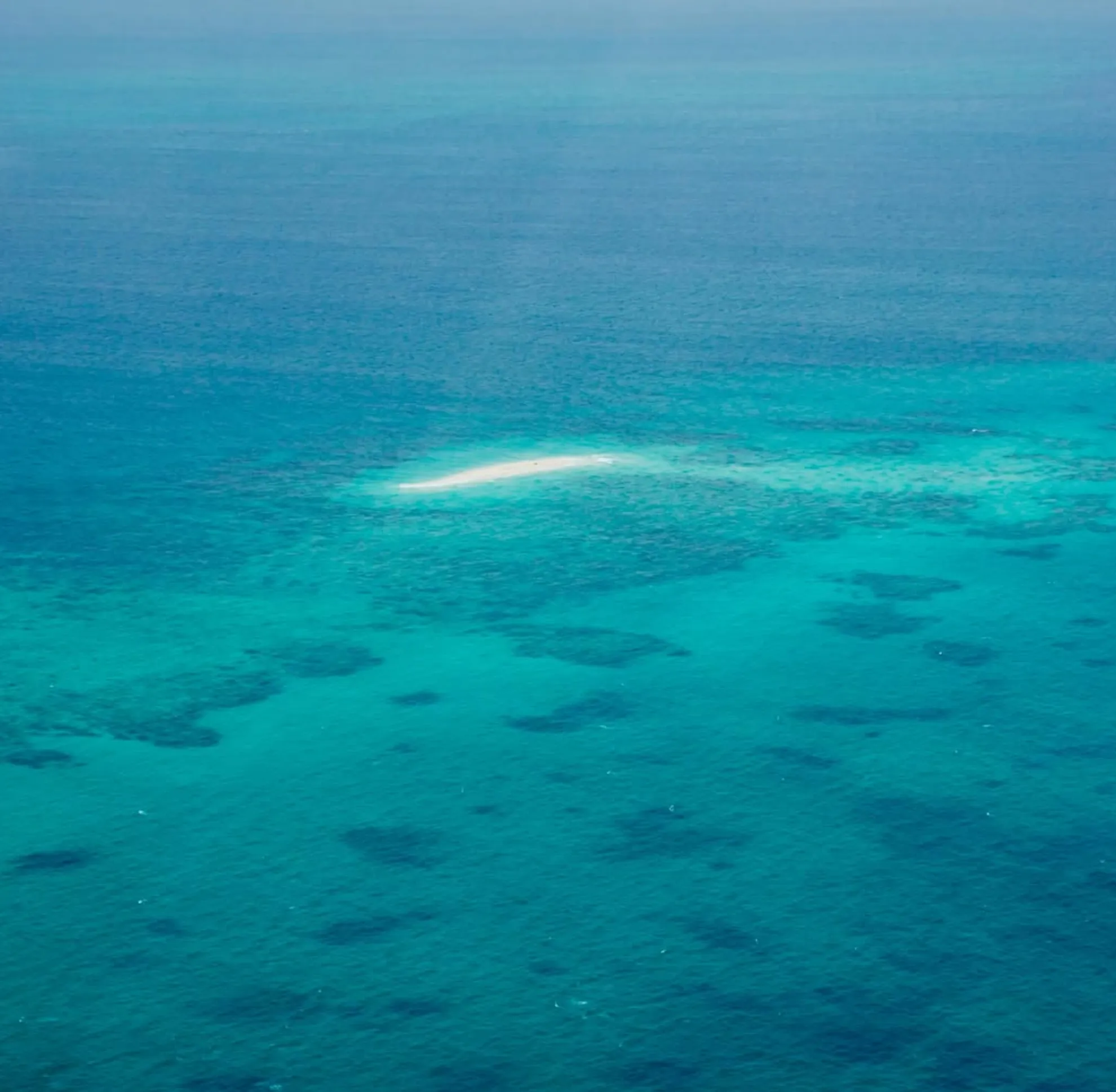
A Great Barrier Reef Tour can either be one of the highlights of your trip – or something you wish you’d done differently. Worth spending a bit more to get to better reefs? Absolutely. Choose operators who actually know what they’re doing when it comes to reef health and conditions. Plan on a full day – not a fly-by swim session. And be realistic about what to expect. When the stars all align – that is, the weather’s good, the water’s clear and the timing’s right – it’s something you’ll be telling friends and family about for years to come. Planning your trip? Looking for some real-world advice on which operators are actually doing a good job right now? I’m always happy to share what we’re seeing on the ground.
Great Barrier Reef tours for people who get seasick

FAQ

Not by a long shot. Sure, a lot of them include transport, snorkelling gear, and food – but reef access, group size, and the overall experience are all worlds apart.
Definitely. You’ll get clearer water, healthier coral and fewer other tourists to contend with.
No, not at all – just comfortable in the water – and if you’re not, there are flotation devices to help out. Still, it can be tiring on the muscles.
Not necessarily – but they do add to the experience – especially if you’re an absolute newbie to the reef system.
Choosing purely on price without even checking things like reef access, what’s included, and the quality of the operator.
Scroll to Top