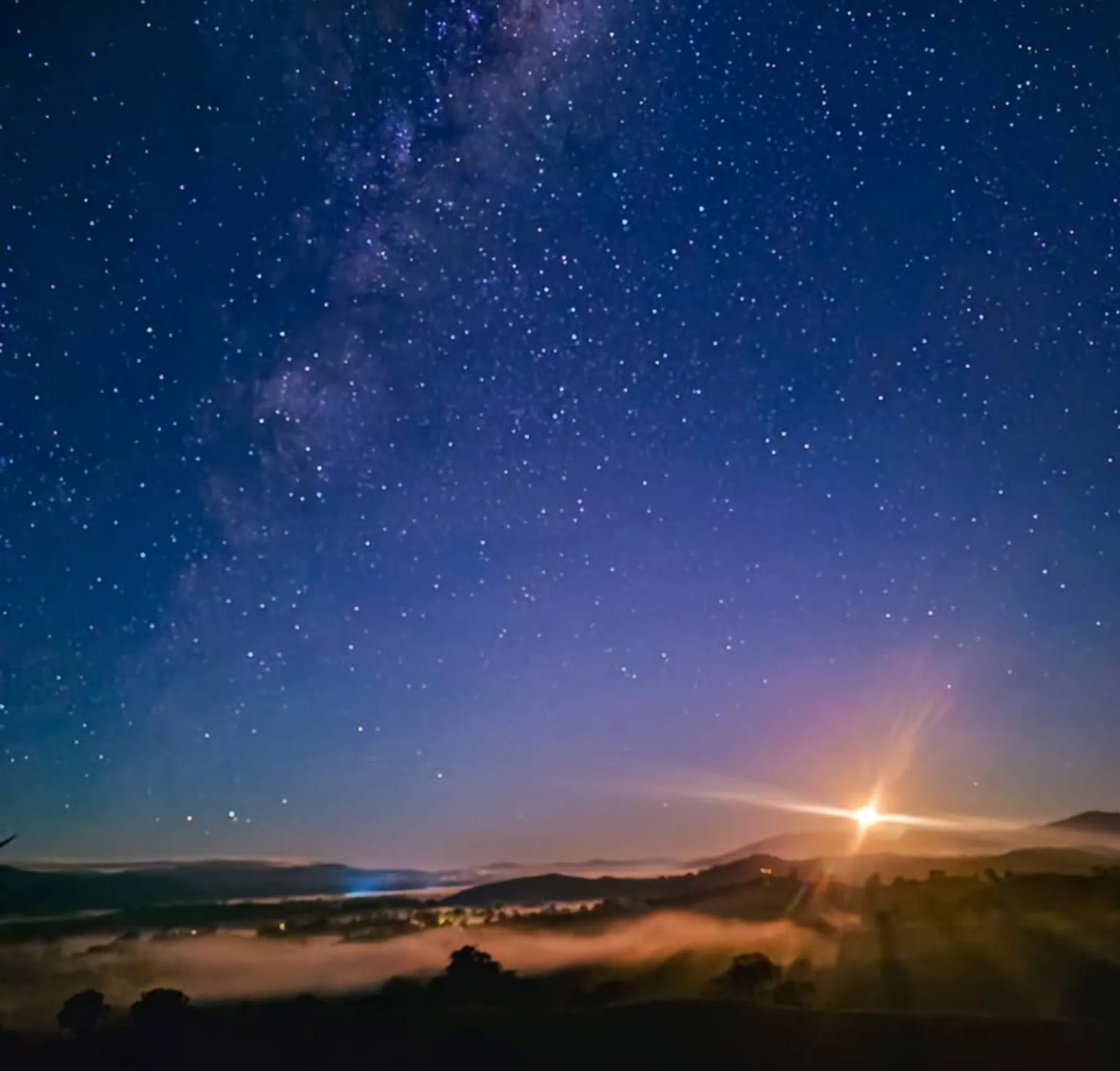
Pinnacles stargazing guide 2026: getting the best Milky Way photos has all to do with one thing that most tourists consistently get wrong – the power of moonlight. If you head to the Pinnacles Desert under a bright full moon thinking you’ll get incredible Milky Way shots, you’ll be left feeling disappointed by a galactic core that looks flat, faint and just kind of…meagre. If you want to capture the Southern Hemisphere’s night sky in all its glory in 2026, you’re best off visiting during the new moon periods between May and September when the darkness really lets the detail shine, and light pollution is kept at bay.
Paul’s spent many a late night driving up and down Indian Ocean Drive, and he’s learned one thing that makes all the difference between a truly unforgettable astro session and a trip that was basically just a waste of petrol – timing, weather forecasts, and a whole lot of patience. The good news is that the Pinnacles are Australia’s easiest dark sky spots to get to without having to go all outback on logistics, or fork out for a convoy vehicle, or lose a whole week off work.
Getting to the Pinnacles Without Losing Your Mind
The reason the Pinnacles are still gaining popularity among Astrotourism WA visitors is that it’s surprisingly easy. You can leave Perth in the afternoon and still be setting up your DSLR under the stars by nightfall – in fact, that’s probably why it’s such a hit.
But people make the same old rookie mistake when it comes to driving tired. I’ve done a return trip after a six-hour photography session, and trust me, it’s way harder than it sounds. The road gets emptier, kangaroos start popping up out of nowhere, and the coffee from those service station cafes starts tasting like fuel rather than a lovely cup of optimism.
The Real Deal on the Road from Perth
The Pinnacles are located inside Nambung National Park, a stone’s throw from Cervantes, roughly 200km north of Perth. Without traffic, you’re looking at a 2-hour 20-minute drive. Realistically, though, most people stop in Lancelin, Jurien Bay or one of the little coastal bakeries along the way, so let’s call it 3.5 hours each way.
Lots of tourists opt to join a Pinnacles Tour rather than driving themselves, especially if they’re not comfortable with WA highways after dark. Some tours from Perth also include stops, astro tips, and even transport back to the city, which basically removes the whole safety hassle issue.
Parking inside the park is a doddle. The main car park at the Pinnacles Desert Discovery Centre is by far the easiest to get to, but experienced night photography buffs usually head out onto the desert loop road and park in one of the quieter areas away from the headlights.
| Travel Option | Realistic Cost (AUD) | What Catches People Out |
|---|---|---|
| Self-drive hire car | $90–$180 daily plus fuel | Fatigue after midnight return |
| Guided tour | $180–$320 pp | Limited photography flexibility |
| Overnight Cervantes stay | $140–$280 nightly | Accommodation books out in peak winter |
| National Park Entry | Around $17 per vehicle | EFTPOS can be unreliable |

The Sections Worth Prioritising If You Only Have One Night
If you’re down to the wire, don’t even bother trying to capture the whole desert loop – you’ll just end up with a bunch of blurry photos in the end anyway. Once the sun goes down, all those formations start to blend together.
The southern loop areas tend to be the best for Milky Way shots because they give you cleaner foregrounds and less of an issue with cars and headlights whizzing by. And let’s be honest, elevated ridges make for a great frame for getting the galaxy up above the limestone formations.
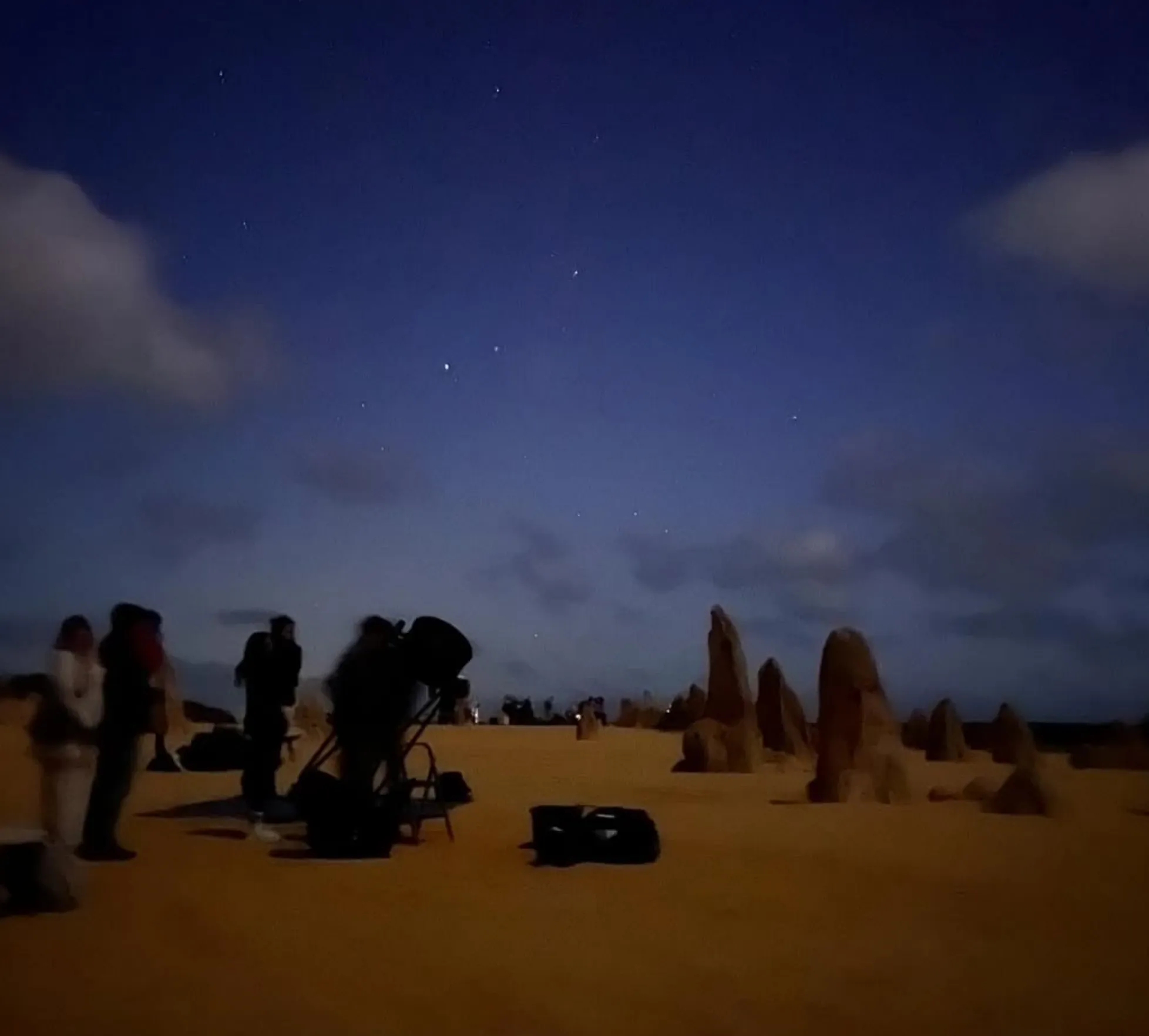
One thing that catches a lot of people out, especially beginners, is just how dark the Pinnacles get once the crowds disappear for the night. I mean properly dark. It changes your whole perception of depth and distances, and before you know it, you’re lost in the dark. I saw this bloke wandering off looking for a “better angle”, and within 10 minutes, he’d completely lost sight of the car park. And of course, his phone suddenly ran out of battery. Not a fun night out.
Plan Around the New Moon
A lot of people go on astro trips during their holidays, but honestly, that’s not the way to do it.
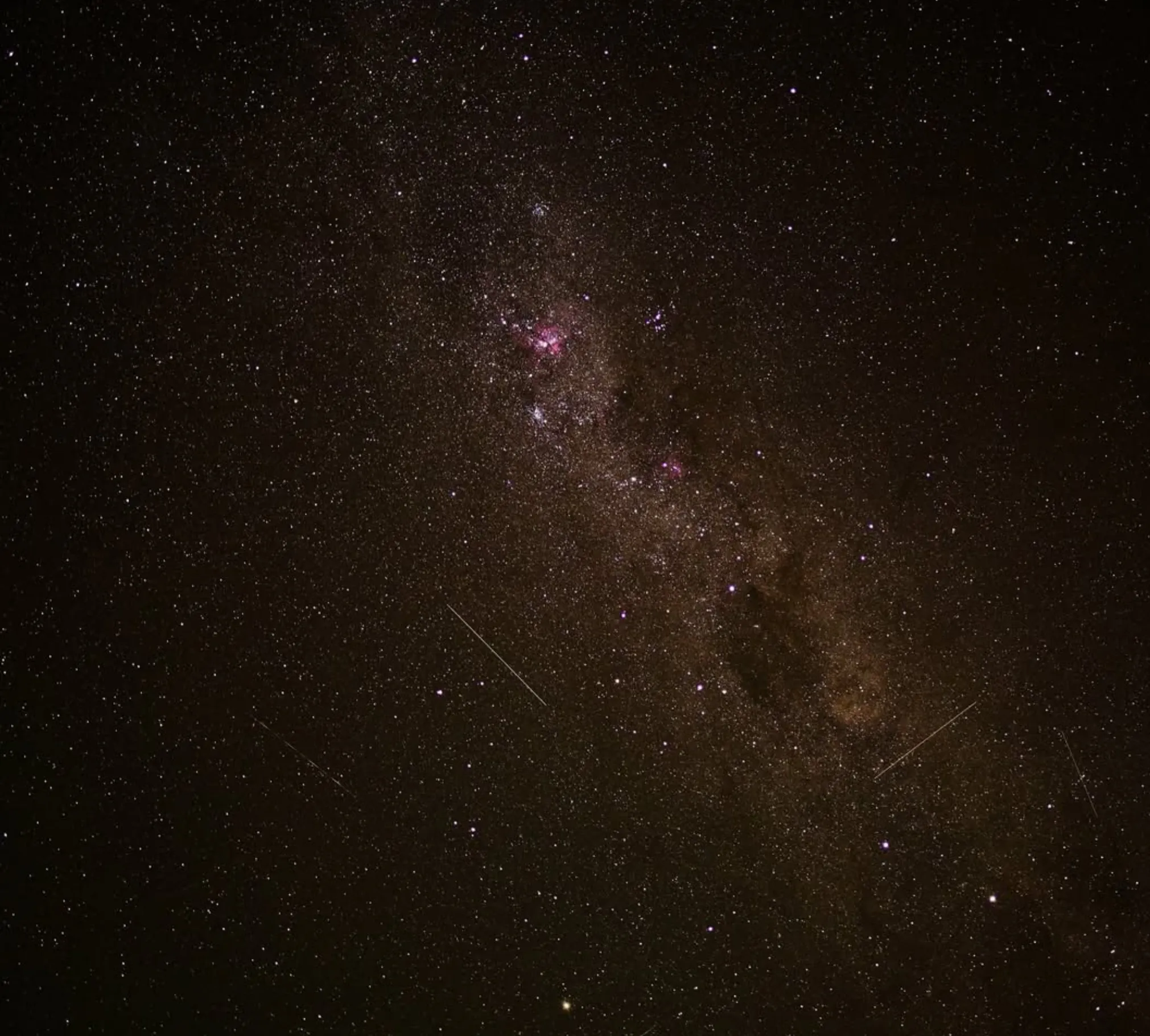
New Moon periods are the best time for seeing the galactic centre, because the moonlight is pretty much invisible. During brighter moon phases, the galactic core just disappears, and all these amazing objects become super hard to spot.
The Best 2026 Windows for Shooting the Milky Way
The best astro conditions usually show up between May and August. During this time, WA’s winter skies are, by and large, drier, cooler, and just plain more stable, which makes all the difference in visibility.
| Month | Best New Moon Window | Real-World Conditions |
|---|---|---|
| May | 13–19 | Prime season starts |
| June | 11–17 | Peak galactic core detail |
| July | 10–16 | Long dark skies |
| August | 8–14 | Best overall balance |
August really is the month to beat when it comes to pretty consistent weather conditions. The galactic centre just fits right into the Pinnacles Desert sky, the humidity drops off, and the weather patterns really settle in compared to what we saw earlier in the winter months.
That’s also when all the pinnacle tours from Perth start getting booked up by photographers from interstate and international astro-travellers flocking here because they can’t get those Southern Hemisphere skies up in the Northern Hemisphere.
What Most People Get Wrong About Astro Photography Here
Better Shots, Less Hassle
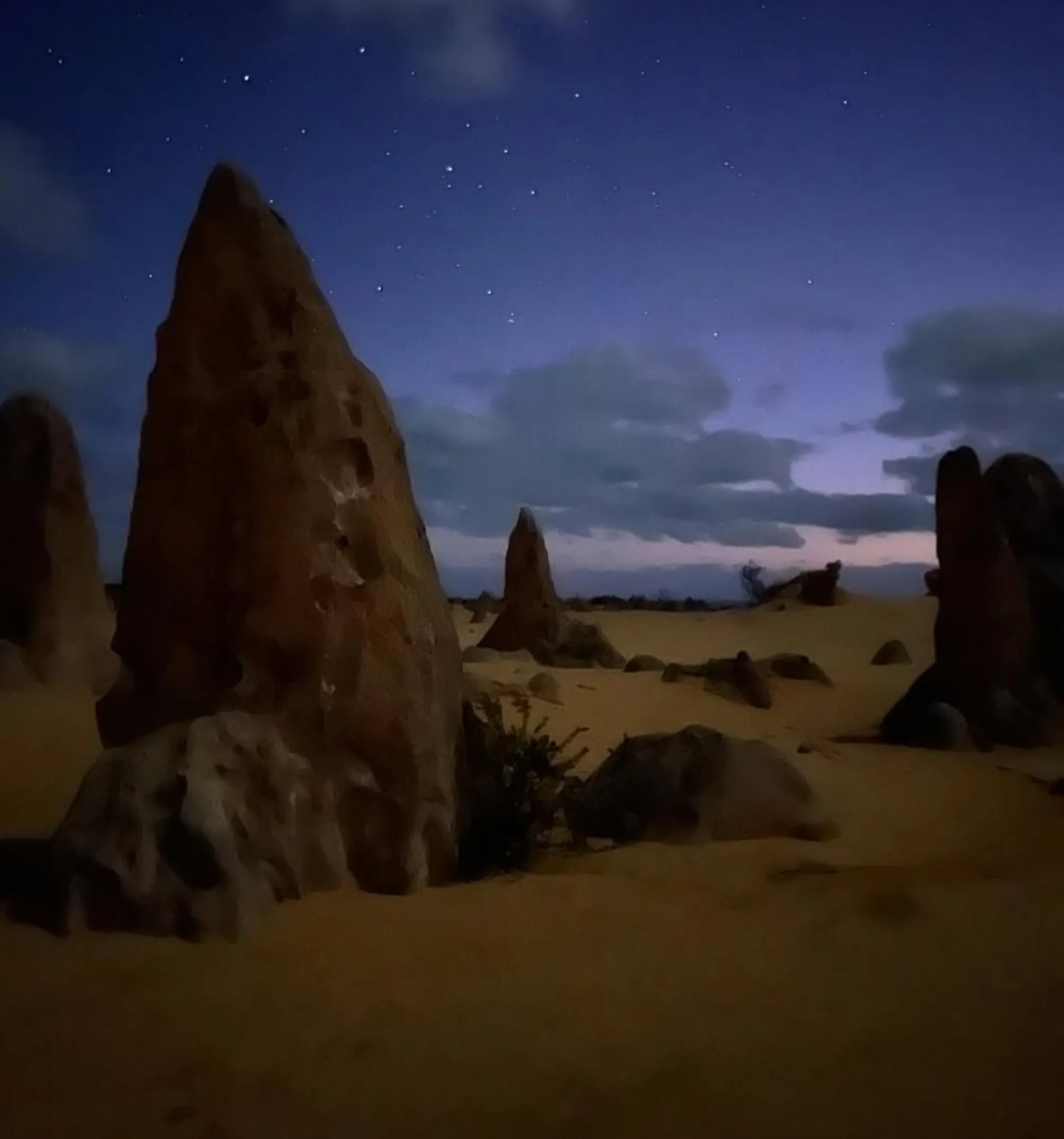
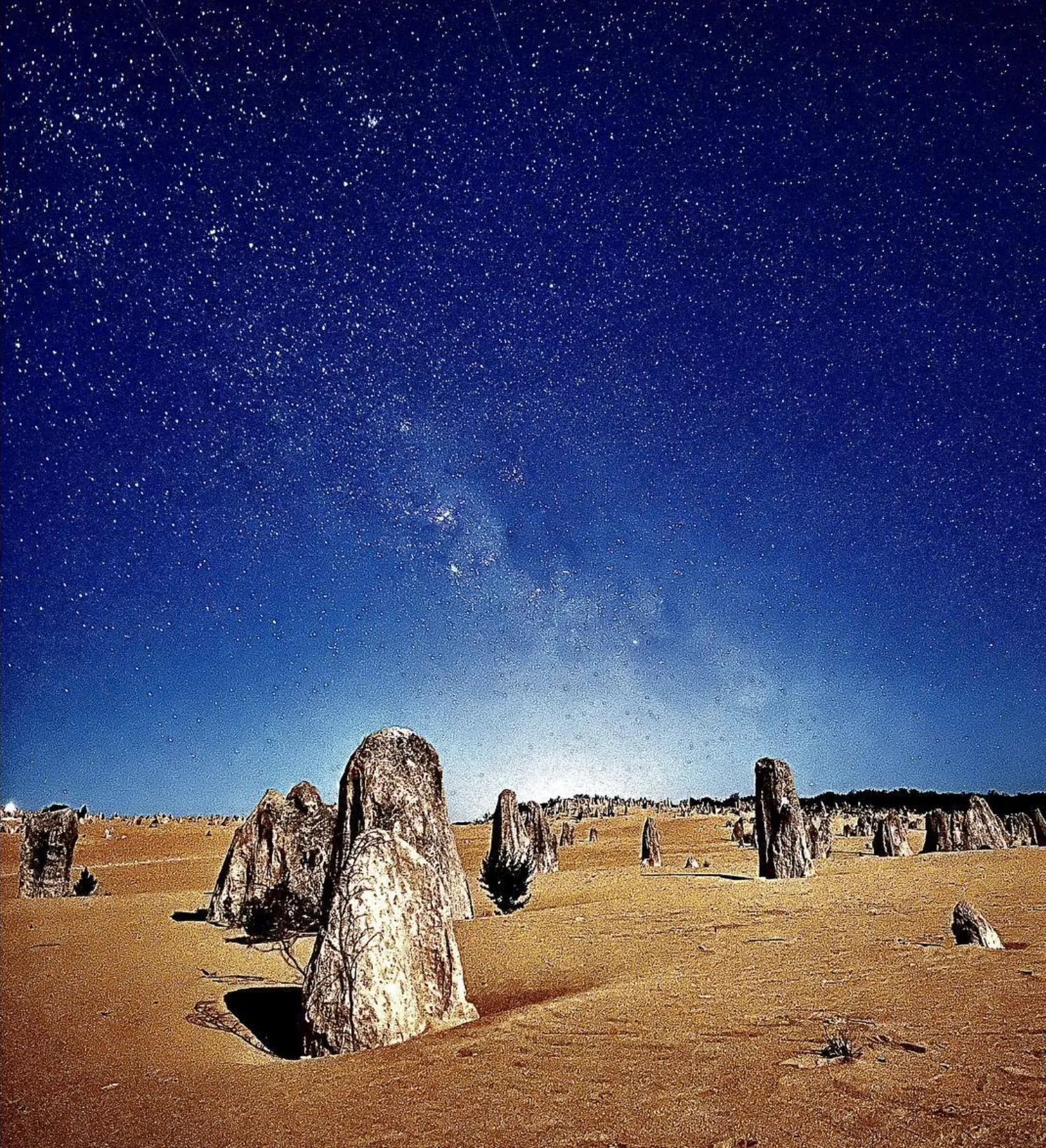
The Pinnacles work a treat for long exposure photography because all the limestone formations create some amazing natural foreground structure right under the galactic centre. On the other hand, they also create a whole lot of problems that people don’t always see coming.
Sand gets all over the bottom of your tripod legs, moisture from the coast fogs your lenses, and the wind will have a go at rattling your setup. And if someone’s carelessly waving a torch around, you can kiss that exposure goodbye.
Camera Settings That Work in Real Conditions
| Setting | Practical Starting Point |
|---|---|
| Aperture | f/2.8 or wider |
| ISO | 3200–6400 |
| Shutter Speed | 15–20 seconds |
| White Balance | 3800K–4200K |
| Lens | 14mm–24mm wide-angle |
| Focus | Manual focus on a bright star |
What Makes It Harder Than Expected
What It’s Really Like After Dark
Stay Overnight for the Best Experience