Knowing Photography Zones Matters
Most travellers don’t grasp just how straightforward the rules are once you get a clear explanation. If you stick to designated visitor areas and actually pay attention to the signs, you’ll have heaps of opportunities for great photos without crossing any cultural boundaries.
Paul says to the tourists on our Uluru Ayers Rock Tours that the biggest mistake visitors make is getting so caught up in “getting that perfect shot” that they forget where they are. A telephoto lens won’t get you out of trouble, nor will trying to pretend you didn’t see the sign.
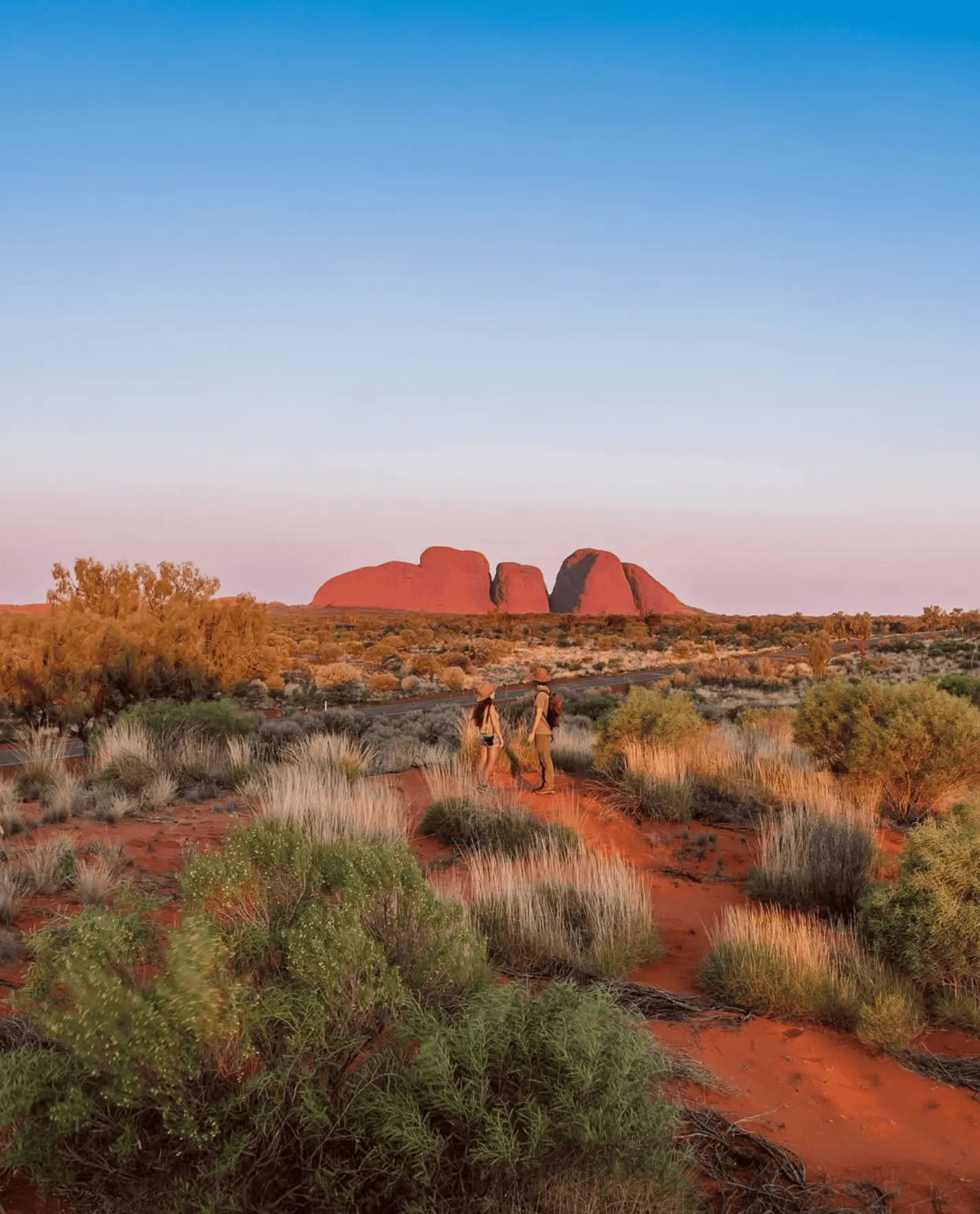
Public Viewing Areas That Generally Allow Photography
| Area | Access Details | Realistic Timing | Difficulty | Photography Notes |
|---|---|---|---|---|
| Dune Viewing Area | Sealed road access, large car park | 45–90 mins at sunrise | Easy | Best wide-angle sunrise shots |
| Walpa Gorge | Short return walk from the car park | 1–1.5 hrs with stops | Moderate | Strong rock texture and shadows |
| Valley of the Winds | Loop track from the main access point | 3–4 hrs realistically | Moderate–Hard | Some restricted sections apply |
| Sunset Viewing Area | Direct vehicle access | 1–2 hrs before sunset | Easy | Busy during peak season |
| Cultural Centre | Near park entry precinct | 30–60 mins | Easy | Learn cultural protocols first |
Most people tend to underestimate just how long these walks will drag on once the heat really kicks in. The Valley of the Winds loop gets slapped with a three hour label, but thats when you’ve got a good level of fitness, its a cool day, and you’re not taking many breaks, and not adding in taking pictures, sweltering in the summer heat, and having to wait for 20 minutes as some tourists in a group figure out how to use their tripods in a tiny space and block the path – and before you know it you’re looking at pushing four hours
Why Cultural Restrictions Matter
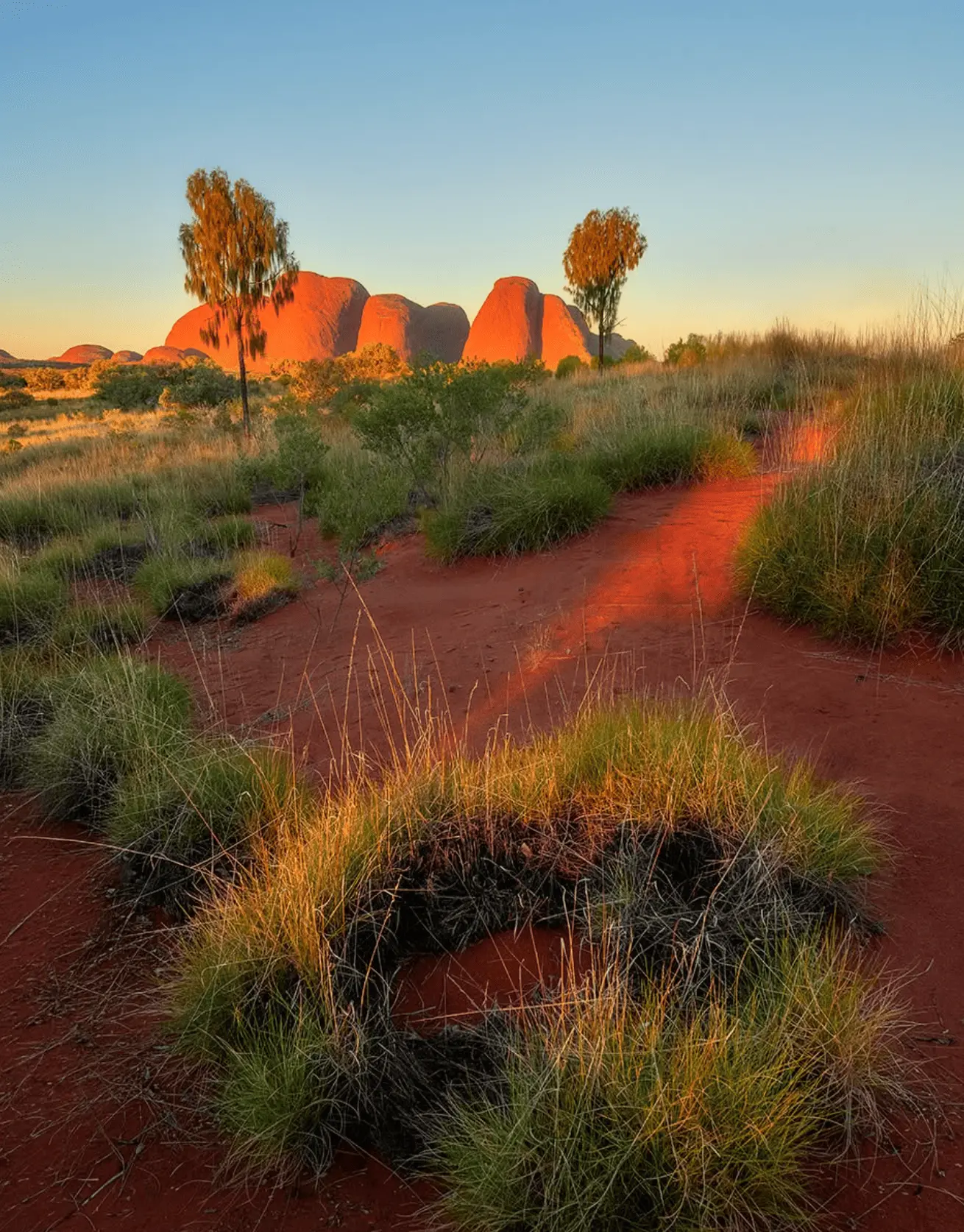
This is where travellers tend to get it all wrong. Kata Tjuta isn’t just some scenic sandstone rock in the Outback of Australia, its got a lot more depth to it. Certain parts of the site are direct connections to sacred sites, men’s business, and an active part of Anangu spiritual practices – and they are still going on today.
Some areas are linked to men’s business and are off limits to the camera. That includes taking snaps with your phone, filming, or just casually uploading some clips to social media. Commercial photography, influencer shoots, drone footage – none of that is allowed.
When I first did this route years ago, I thought the restrictions would feel onerous and stifling. But actually, they make you take a step back and experience the place properly, rather than rushing around trying to get a shot. An Anangu guide once told our group, “Some stories belong there, not on the internet,” and once you stand in those landscapes for a bit, it makes a lot of sense.
What Usually Causes Visitors To Get Themselves Into Trouble
- Ignore the signs and head into restricted areas for a better photo angle
- Assume that just because you’ve got a drone, you’re automatically allowed to fly it
- Try filming the cultural talks or ceremonies
- Use restricted footage commercially without getting the proper permits
- Treat sacred locations like some sort of backdrop for an Instagram photo
Plan Your Day Properly
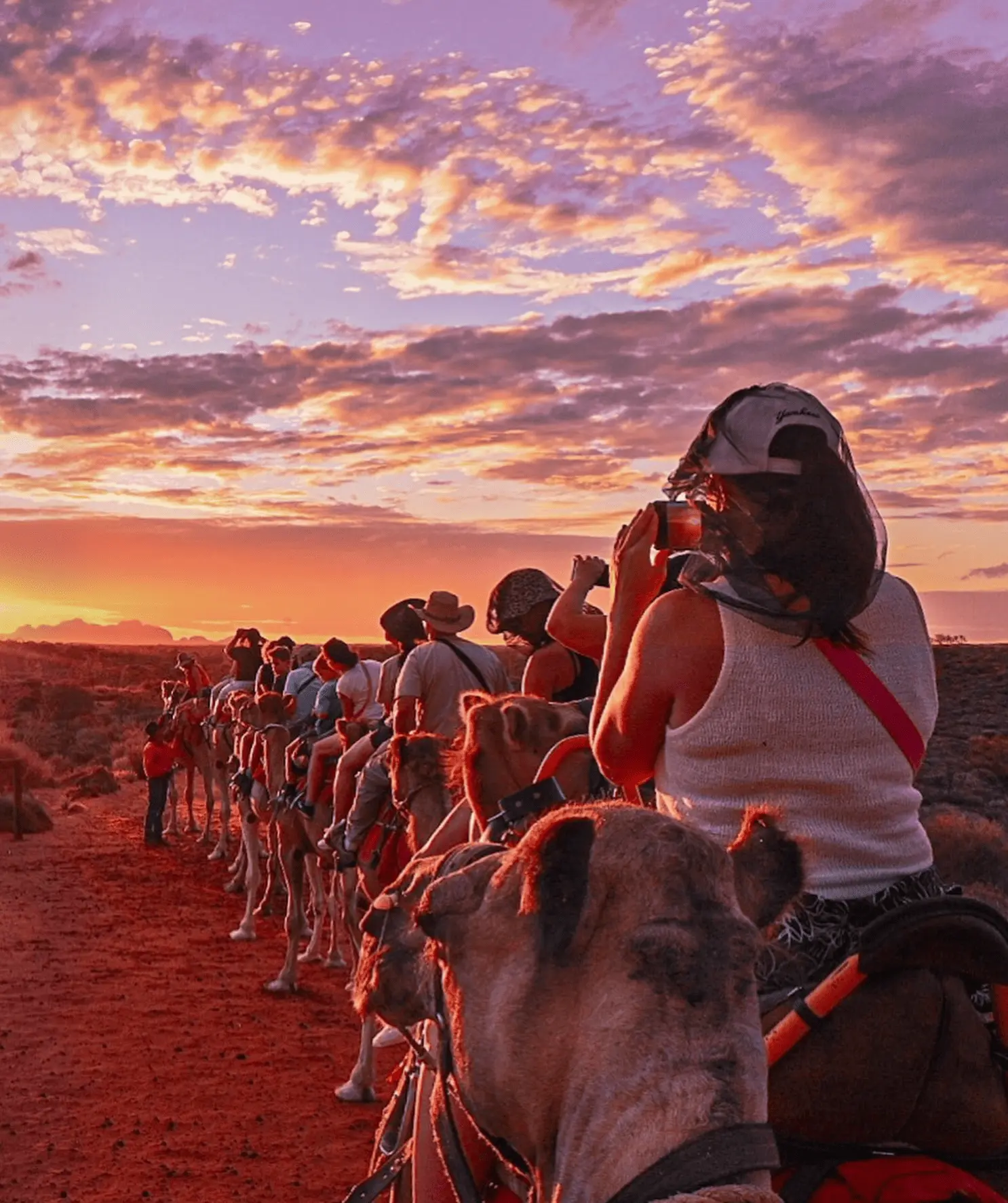
The Red Centre isn’t exactly kind to people who try to rush things. Every year, some traveller decides they can cram in Uluru sunrise, a walk at Kata Tjuta, Kings Canyon, and a Sounds of Silence dinner, all in one mad dash across the desert. By the end of the day, half the group is cooked and needs to find an air-conditioned lounge in Sydney to crawl into as soon as possible.
If you only have one day, then make sure you prioritise Kata Tjuta in the early morning rather than midday. The light is softer, it’s cooler, and the winds are lower, so it’s a lot easier to get some good photos.
What You Can Realistically Get Done in One Day
| Time | Activity | Notes |
|---|---|---|
| 5:00–5:30 am | Depart the resort area | Earlier in the summer |
| Sunrise | Dune Viewing Area | Best colour transitions |
| Morning | Walpa Gorge walk | Cooler temperatures |
| Midday | Cultural Centre visit | Avoid peak heat |
| Late afternoon | Kata Tjuta sunset area | Tripod-friendly light |
| Evening | Optional star photography | Milky Way season excellent |
Desert Conditions Catch People Out
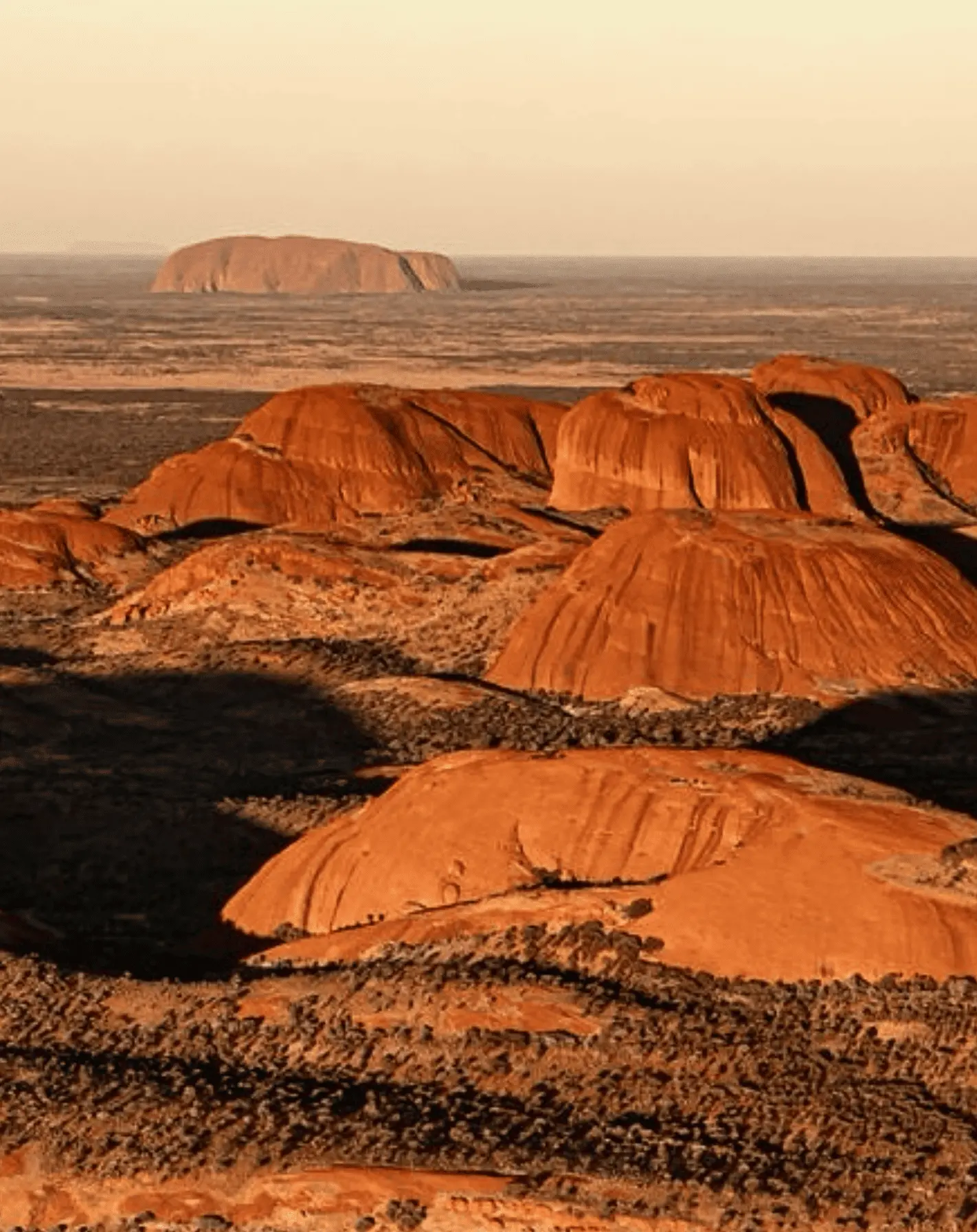
The Red Centre looks all neat and tidy in brochures. But in reality, it’s all dust, dehydration, glare, flies, and the weather just changing on ya when you least expect it.
Summer temps regularly blow past 40°C. Camera batteries are bloody quick to run flat. That fine red dust gets everywhere – inside lenses, backpacks, even sealed snack packets somehow. I know some bloke on a tour once opened his camera bag near Walpa Gorge & suddenly had a full-blown dust storm to deal with.
Conditions That Affect Photography And Safety
| Season | Experience Reality | Practical Impact |
|---|---|---|
| May–August | Cold mornings, mild days | Best hiking and photography conditions |
| September–October | Dusty and warmer | Strong sunsets but harsher light |
| November–March | Brutal heat and storms | Limited safe walking windows |
| April | Unpredictable weather | Excellent cloud formations possible |
The Gear You Actually Need
Most photographers pack way too much gear – you don’t need a camera setup that can document a moon landing, trust me. At Kata Tjuta, a lightweight kit is the way to go so you can comfortably do the longer walks. Wide-angle lenses are perfect for landscapes, while a telephoto lens lets you get up close to those textured rocks and really capture that compressed desert light during sunrise and sunset.
And for those golden hour shots, ND and graduated filters are lifesavers because of the brutal contrast between the sky and the dark foreground rocks.
A few years ago, I had this massive tripod and three backup camera bodies, and I was so convinced I was being prepared – but I was halfway through the Valley of the Winds walk, and I was seriously considering just chucking half the gear in a nearby bush.
These days I keep it simple: wide angle lens, spare battery, a light tripod, water, a hat and sunscreen – that’s really all you need.
And after a day of shooting, most of these landscape editing programs like Lightroom and Capture One handle desert editing pretty well – the problem is, people tend to overdo it with the colour correction, and suddenly the rocks look like they’re on fire. The landscape’s got more than enough drama already.
Nearby Experiences Worth Adding
Most people base themselves at Ayers Rock Resort, which has a range of accommodation options from campgrounds to top-end hotels. Expect to pay:
- Budget camping: around AUD $45 to $70 per night
- Mid-range hotels: AUD $280 to $450
- And if you’re after a premium desert experience, be prepared to pay AUD $600 or more during peak season
Food prices are typical of outback Australia – you can pay as much as AUD $30 for a burger and chips once you’re inside the resort precinct. If you’re after something a bit nicer, Gecko’s Café is one of your better options for a casual bite before an early start.
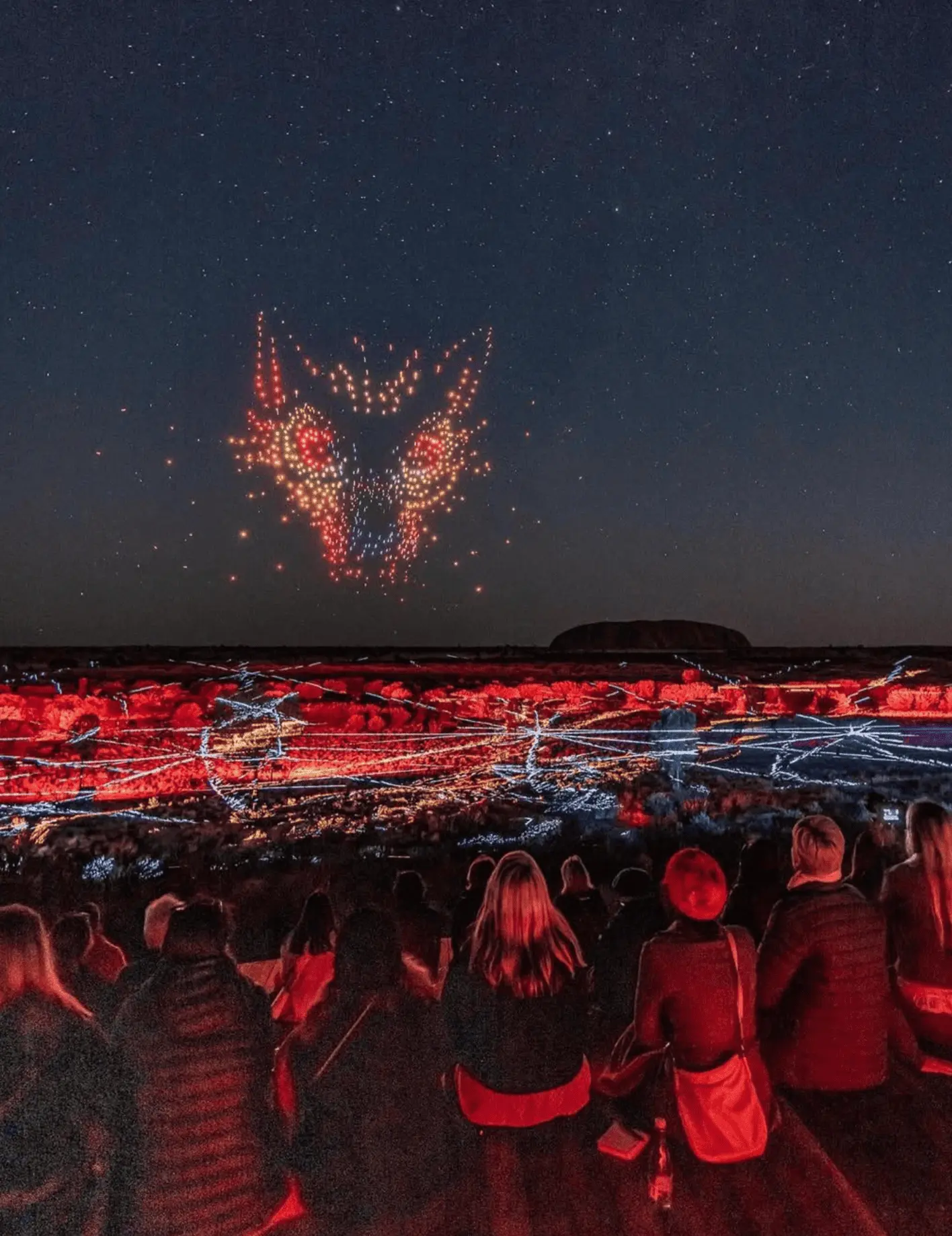
There are also a few nearby experiences that let you take photos in designated areas – Field of Light, Sounds of Silence, and Wintjiri Wiru are all worth a look. If you want to get a really unique perspective, you can take a scenic flight with one of the licensed helicopter operators – and the photos you get back will be something else. That said, it’s AUD $180 to $450 for the flight itself, depending on how long you want to be up in the air.
And don’t get me wrong, not everyone needs to take a helicopter flight – some of the real magic happens quietly enough during a simple base walk around Uluru, watching those desert oak shadows stretch out across the track.
And I’ll tell you a funny one – I once had a traveller compare the peacefulness of a Red Centre sunrise to a Yarra Valley Wine Tour back in Victoria – it was the same feeling of slowing down and just being in the moment. Different landscapes, same vibe.
What Kata Tjuta Is Really Like
Expectation vs Reality – it makes all the difference here.
People tend to think it’s all:
- constant heat 24/7
- endless empty landscapes
- making quick pit stops to look at the sights
- and perfect weather all the time.
The reality is, though: dawn can be cold, you’ll be doing a lot of walking, flies are just about everywhere, you’ve got to be careful with local customs, and the landscape isn’t going to reveal its secrets all at once.
The visitors who actually get the most out of Kata Tjuta are usually:
- people happy to take their time
- landscape photogs who know what they’re doing
- folks curious about the local culture
- hikers who are pretty fit
- and travellers who are comfortable with being out in the middle of nowhere.
On the other hand, people who might struggle a bit are:
- those trying to rush through their itineraries
- the ones who can’t handle the heat
- anyone who’s expecting a wild nightlife or the luxury of a big city
- or inexperienced hikers trying to tackle the longer tracks in the peak heat.
Kata Tjuta really does work best for those who are happy to slow down. That’s the story Paul and pretty much every experienced tour guide tell you time and time again. The ones trying to tick as many things off their list as quickly as possible usually end up missing all the good bits.
Before You Photograph Kata Tjuta
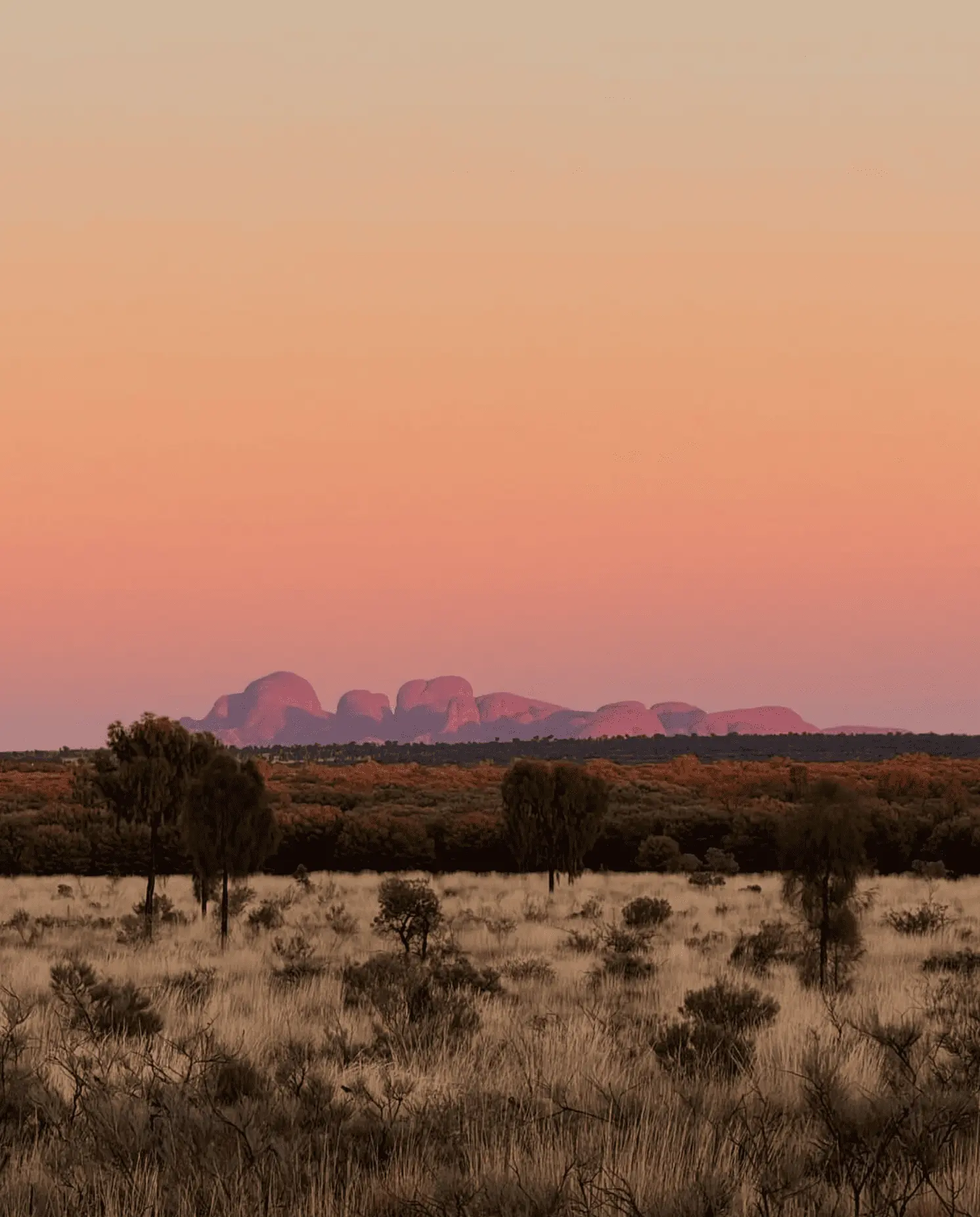
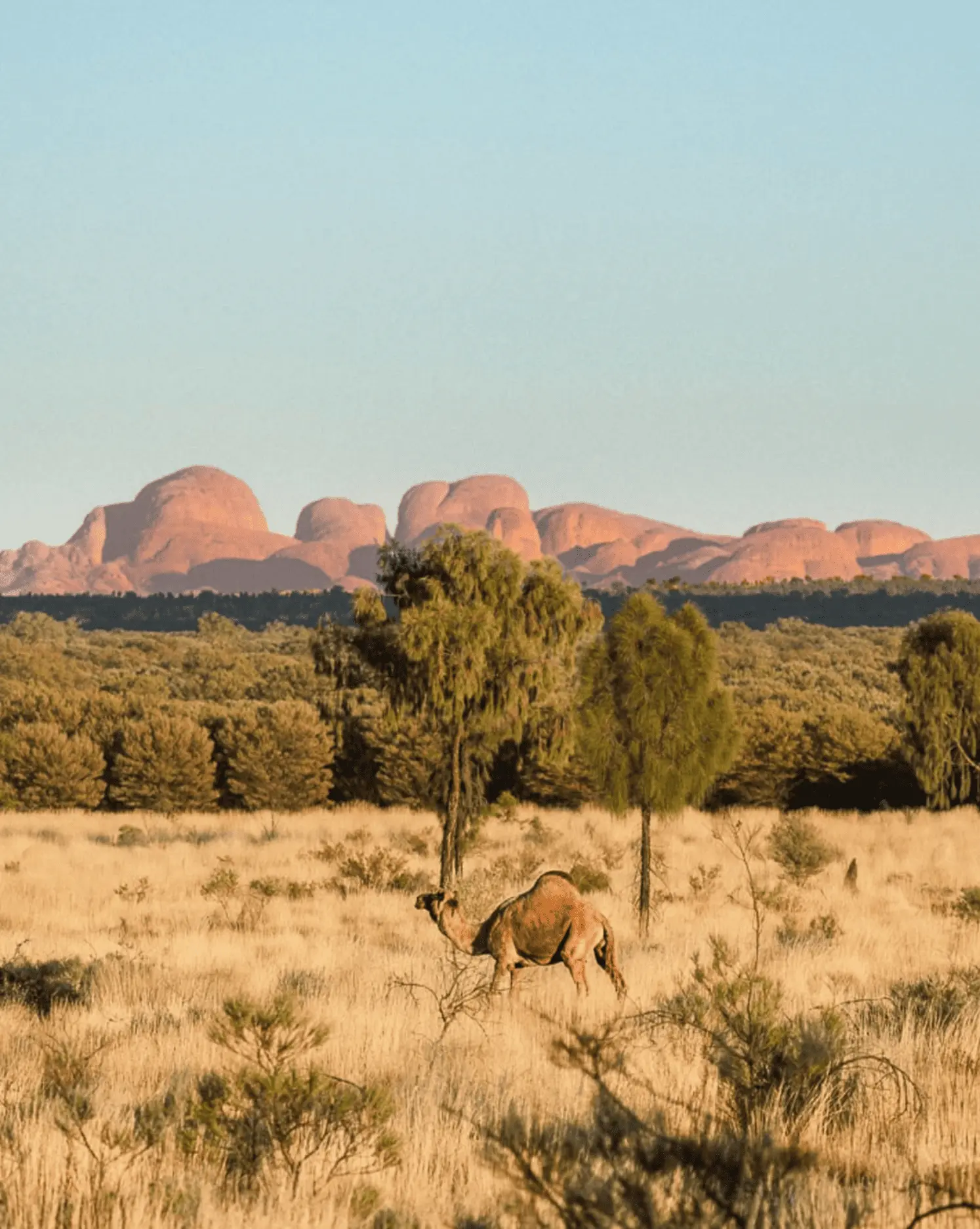
To be honest, taking photos around Kata Tjuta in 2026 isn’t as hard as people make it out to be, once you get the hang of balancing where you can go and where you shouldn’t. Most public viewing areas are still open, including sunrise-friendly spots, walking tracks, and designated visitor zones. But, the sacred sites that are not open to the public – and rightly so – are off limits to keep visitors in line.
Just remember to respect the local owners, follow any signs you see from Parks Australia, keep your drone at home, and don’t think you can just cram in a quick visit – the desert doesn’t run on city time schedules, after all.
And you know what? Sometimes the best bits aren’t the ones you capture on camera at all. The stillness before sunrise, the colour shifts across the rocks, the breeze rustling through the native grasses – those are the things that tend to stick with people the longest.
Need some help planning a realistic trip through the Red Centre, including Uluru, Kata Tjuta, and Kings Canyon? Feel free to get in touch any time. We’re always updating our notes after another trip out to the Northern Territory.